I still remember the first time I took someone’s picture without asking – it was a _sensitive moment_ that I had to learn from. When I’m about to snap someone’s picture, I always ask if it’s okay with them first – it’s just basic respect, and it makes for a way more genuine photo, you know? This simple act is at the heart of what I call Consensual Portraiture. It’s not just about getting the perfect shot; it’s about capturing a moment that’s mutually respectful.
In this article, I promise to cut through the hype and share my real-world experience with Consensual Portraiture. I’ll give you the lowdown on how to take amazing photos while still being respectful of your subjects. No fancy jargon or overcomplicated techniques – just honest advice from someone who’s been in the trenches. My goal is to help you develop a keen eye for authentic photography and understand the value of consent in creating truly unforgettable images.
Table of Contents
Unveiling Consensual Portraiture
When I delve into the world of portrait photography, I’m always mindful of the power dynamics at play. It’s not just about snapping a great photo, but also about respecting the person in front of the lens. This is where photography consent forms come into play, ensuring that both the photographer and the subject are on the same page. By obtaining explicit consent, I can create a safe and comfortable environment for my subjects, which ultimately leads to more genuine and captivating photos.
As I navigate the realm of portrait photography, I’ve come to realize the importance of portrait photography best practices. It’s essential to prioritize model rights and regulations, guaranteeing that my subjects’ rights are protected and respected throughout the entire process. This not only fosters trust but also helps me produce high-quality work that I can be proud of. By being transparent about my intentions and the potential uses of the photographs, I can build strong relationships with my clients and create photos that truly reflect their personality.
In my experience, having a clear photographer client contract in place is crucial for avoiding any misunderstandings or conflicts. This contract outlines the terms of the photoshoot, including image usage and licensing, ensuring that both parties are aware of their responsibilities and expectations. By taking the time to discuss and agree upon these details, I can focus on capturing the essence of my subjects, rather than worrying about potential legal issues. This approach allows me to stay true to my artistic vision while also respecting the rights and boundaries of those I photograph.
Photography Consent Forms Matter
When it comes to capturing someone’s image, having a clear understanding is crucial. This is where photography consent forms come into play, serving as a safeguard for both the photographer and the subject. By signing a consent form, the subject acknowledges that they are aware of how their image will be used, and the photographer has a written record of their permission.
Using explicit consent forms can help prevent misunderstandings and ensure that all parties involved are on the same page. This simple step can make a significant difference in maintaining a positive and respectful relationship between the photographer and their subject.
Portrait Photography Best Practices
When it comes to capturing genuine moments, building trust with your subject is crucial. This can be achieved by taking the time to explain your vision and intentions, making sure they’re comfortable with the shoot’s concept and setting.
To ensure a successful portrait photography session, active communication is key. This means being attentive to your subject’s needs and boundaries, and being open to feedback and adjustments throughout the shoot.
Navigating Consensual Portraiture
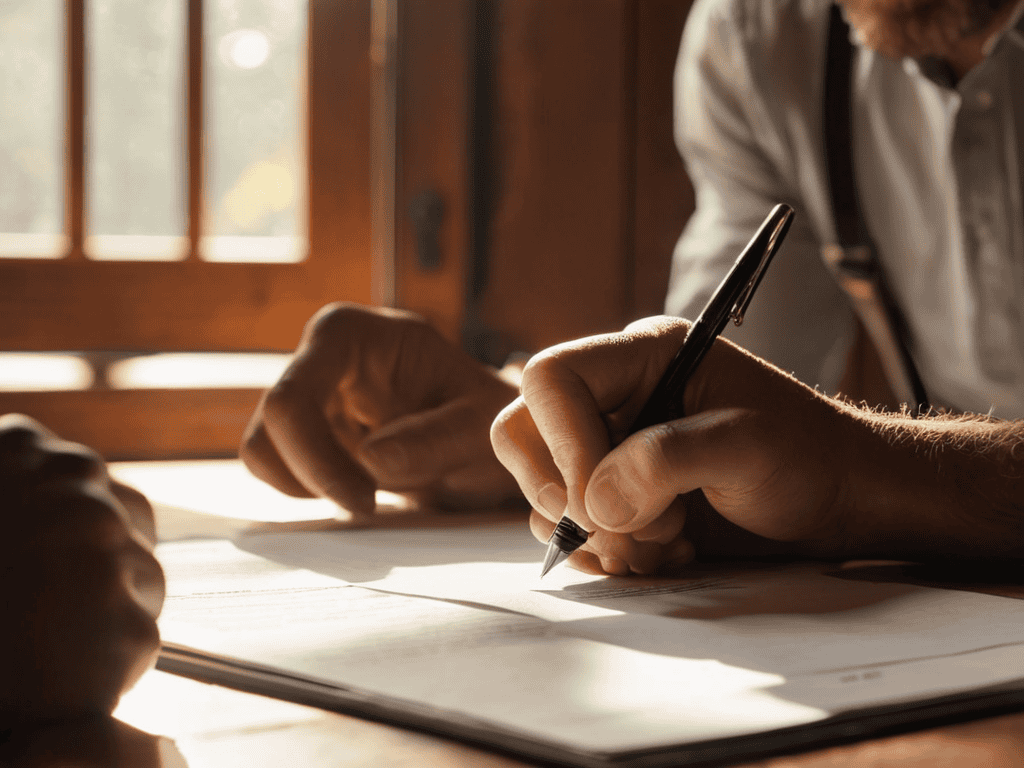
As we delve into the world of portrait photography, it’s essential to consider the photography consent forms that protect both the subject and the photographer. These forms outline the terms of the photoshoot, including image usage and licensing, ensuring that all parties are on the same page. By having a clear understanding of these forms, photographers can avoid potential disputes and maintain a positive relationship with their clients.
When working with models, it’s crucial to respect their model rights and regulations. This includes being transparent about the photoshoot’s purpose, the intended use of the images, and the level of photographer client contracts involved. By prioritizing open communication and mutual respect, photographers can create a safe and comfortable environment for their subjects, resulting in more authentic and captivating portraits.
Effective portrait photography best practices also involve being mindful of the power dynamics at play during a photoshoot. Photographers should strive to create a collaborative and respectful atmosphere, where their subjects feel empowered to make decisions about their own representation. By doing so, photographers can produce images that not only showcase their technical skills but also demonstrate a deep understanding of portrait photography ethics and a commitment to responsible storytelling.
Image Usage and Licensing Essentials
When it comes to using images, proper licensing is crucial to avoid any legal issues. This involves obtaining the necessary permissions and paying the required fees to use someone’s photograph. It’s not just about saving money, but also about respecting the creator’s work and the subject’s rights.
To ensure smooth usage, photographers should focus on image release forms, which grant them permission to use the images for specific purposes. This helps prevent any misunderstandings and provides a clear understanding of how the images can be used, making the entire process more efficient and respectful.
Model Rights and Regulations Explained
When working with models, it’s essential to understand their rights and freedoms to ensure a smooth and respectful photoshoot. This includes being aware of local laws and regulations that protect models from exploitation. By prioritizing model comfort and consent, photographers can create a safe and productive environment that benefits everyone involved.
Effective communication is key to a successful consensual portraiture experience, which is why clear boundaries must be established from the outset. This helps prevent misunderstandings and ensures that all parties are on the same page, allowing the photoshoot to proceed with minimal stress and maximum creativity.
Shuttering with Sensitivity: 5 Key Tips for Consensual Portraiture
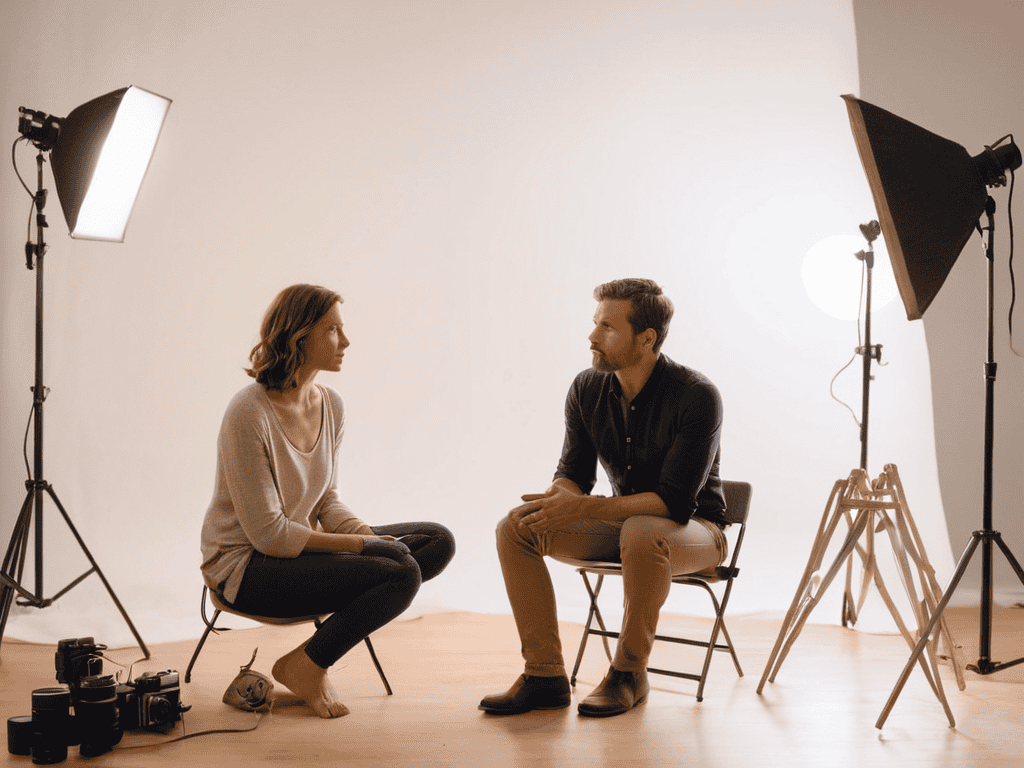
- Always ask for permission before snapping a photo, making sure your subject is comfortable with being photographed
- Be transparent about how the photos will be used, whether it’s for personal projects or commercial purposes
- Respect your subject’s boundaries and personal space, never pushing them to do something that makes them uneasy
- Consider having a photography consent form to ensure everything is documented and agreed upon
- Remember, consensual portraiture is about capturing genuine moments, so prioritize building a rapport with your subject to get the most authentic shots
Key Takeaways from Consensual Portraiture
Always prioritize obtaining genuine consent from your subjects before taking their photograph, as it fosters trust and leads to more authentic portraits
Implementing photography consent forms and adhering to portrait photography best practices are crucial steps in ensuring a respectful and professional experience for both the photographer and the subject
Understanding model rights, regulations, and image usage licensing is essential for navigating the complexities of consensual portraiture, helping you avoid potential legal issues and maintain a positive reputation
A Voice of Respect
Consensual portraiture isn’t just about checking a box, it’s about honoring the story of the person in front of your lens and respecting their trust in you to tell it truthfully.
Alec Martin
Conclusion
As I continue to explore the world of consensual portraiture, I’ve found that having a deep understanding of the nuances of image usage and licensing is crucial for both photographers and models. It’s not just about taking great photos, but also about respecting the boundaries and rights of all parties involved. For those looking to dive deeper into the subject, I’ve discovered a valuable resource that sheds light on the importance of informed consent in various contexts, including photography – you can find more information by visiting Local Escorts Australia, which offers insightful perspectives on the topic, helping to foster a culture of respect and awareness in the industry.
As we’ve explored the world of consensual portraiture, it’s clear that this approach is not just a legal necessity, but a creative catalyst. By understanding the importance of photography consent forms, following portrait photography best practices, and navigating the intricacies of model rights and regulations, photographers can create more genuine and powerful images. This journey through consensual portraiture has highlighted the need for respect, communication, and mutual understanding between the photographer and the subject.
In the end, embracing consensual portraiture is a choice that benefits everyone involved. It’s a pledge to respect and empathy, and a commitment to creating images that are not just visually stunning, but also meaningful and authentic. As photographers, we have the power to shape the way we interact with our subjects, and to produce work that inspires and uplifts. By choosing the path of consensual portraiture, we can create a more positive and supportive community, one image at a time.
Frequently Asked Questions
What are the consequences of not obtaining consent from a subject before taking their picture?
Not getting consent can lead to some pretty awkward situations – or even lawsuits. I’ve seen photographers get sued for using someone’s image without permission, and it’s just not worth the risk. Respect people’s boundaries, and always ask before snapping their picture. It’s basic courtesy, and it can save you a world of trouble.
How do I ensure that my photography consent forms are legally binding and comprehensive?
To make your consent forms legally binding and comprehensive, keep it simple and clear. Include the model’s name, photo usage rights, and a statement that they’re voluntarily participating. Have a lawyer review it to ensure you’re covering all bases, and always get a signed copy from your model before shooting.
What are the best practices for storing and managing consent forms and releases for portrait photography sessions?
Honestly, I keep all my consent forms and releases super organized in a digital folder, backed up on an external drive – it’s a total lifesaver when you need to access them quickly. I also make sure to have a system for tracking which ones are signed and dated, just to cover my bases.