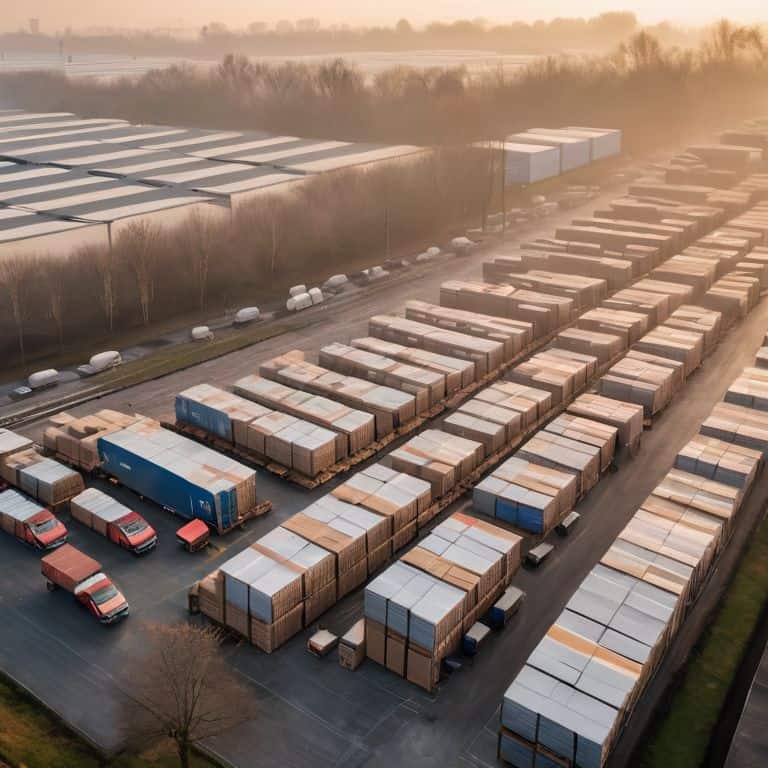
As I sat on a mountain porch, watching the sunset over a valley where my grandmother once told tales of adventure, I couldn’t help but wonder: what’s the real environmental impact of e-commerce on the very landscapes we love to explore? The ease of online shopping has led to a surge in packaging waste, carbon emissions, and a general disregard for the hidden footprint of our digital purchases. It’s a topic that’s often shrouded in complexity, but I believe it’s time to unwrap the truth and explore the human side of this issue.
In this article, I promise to take you on a journey that’s free from hype and filled with personal anecdotes from my own experiences as a travel guide writer and urban sketcher. I’ll share stories of the people and places I’ve encountered, and the ways in which e-commerce has affected them. My goal is to inspire you to think differently about your online shopping habits and to consider the real cost of convenience. Together, let’s explore the world of e-commerce with a critical eye and a sense of wonder, and discover ways to make our digital lives more sustainable and meaningful.
Table of Contents
- Unboxing E Commerce Truths
- Environmental Impact of E Commerce
- Blazing Trails to a Greener Tomorrow: 5 Key Tips to Mitigate the Environmental Impact of E-Commerce
- Key Takeaways for the Conscious Explorer
- A Reflection on Our Digital Footprints
- Beyond the Box: A Call to Adventure
- Frequently Asked Questions
Unboxing E Commerce Truths

As I delve into the world of online shopping, I find myself pondering the sustainable supply chain management that goes into delivering a package to my doorstep. It’s fascinating to think about the journey of a product, from its origin to my hands, and the carbon footprint it leaves behind. I recall a recent purchase I made, where the seller used eco-friendly packaging materials that not only reduced waste but also added a personal touch to the unboxing experience.
While exploring the streets of a bustling city, I stumbled upon a small, local e-commerce business that emphasized reducing packaging waste in their operations. Their approach to minimizing waste and using biodegradable materials resonated with me, and I found myself appreciating the environmental benefits of local e-commerce. It’s heartening to see businesses adopting such practices, and as a consumer, it’s essential to support and encourage these green e-commerce business models.
As I continue to unwrap the layers of online shopping, I’m reminded of the importance of being mindful of our purchases and their consequences. By choosing sellers who prioritize sustainable practices, we can contribute to a more environmentally conscious consumerism. It’s a small step, but one that can collectively make a significant difference, and as I paste another unique bus ticket into my travel scrapbook, I’m inspired to explore more eco-friendly packaging solutions and share them with fellow travelers.
Reducing Packaging Waste Wildly
As I flip through the pages of my travel scrapbook, I’m reminded of the countless packages I’ve received over the years, each one a testament to the convenience of e-commerce. However, this convenience comes at a cost, and reducing packaging waste is a crucial step towards mitigating the environmental impact of our online shopping habits.
By adopting sustainable packaging materials, we can significantly decrease the amount of waste generated by e-commerce, and it’s a step that both companies and consumers can take together, fostering a more environmentally conscious approach to online shopping.
Sustainable Supply Chains Uncovered
As I flip through the pages of my travel scrapbook, adorned with bus tickets from cities where e-commerce hubs thrive, I ponder the invisible threads that weave together the global supply chain. It’s a complex tapestry, with each strand representing a journey of products from manufacturer to consumer.
In my urban sketches, I often depict the bustling streets of cities like New York, where sustainable logistics are becoming increasingly important. By adopting eco-friendly transportation methods and optimizing routes, companies can significantly reduce their carbon footprint, making the journey from warehouse to doorstep a greener one.
Environmental Impact of E Commerce

As I reflect on my travels, from the bustling streets of New York City to the serene landscapes of the Appalachian Mountains, I’ve come to realize that the environmental benefits of local e-commerce can be a game-changer. By supporting local businesses and choosing to shop from vendors who prioritize sustainable supply chain management, we can significantly reduce our carbon footprint. It’s a small step, but one that can have a profound impact on the health of our planet.
I recall a particular journey where I had the opportunity to visit a local artisan who had adopted eco-friendly packaging materials for her online store. Her commitment to reducing waste and using biodegradable materials was truly inspiring, and it got me thinking about the potential for carbon offsetting for online shopping. By investing in carbon offset projects, online retailers can compensate for the emissions generated by their transportation and logistics, creating a more balanced environmental ledger.
As I continue to explore the world, one bus ticket at a time, I’m reminded of the importance of responsible consumerism. By making informed choices and supporting businesses that prioritize green e-commerce business models, we can create a ripple effect that promotes sustainability and reduces waste. It’s a journey, not a destination, and one that requires reducing packaging waste in e-commerce to be a top priority.
Carbon Offsetting for Online Explorers
As I flipped through the pages of my travel scrapbook, adorned with bus tickets from cities I’ve wandered, I began to ponder the carbon footprint of my own adventures. The memories of those journeys, however, are now intertwined with a sense of responsibility, prompting me to explore ways to mitigate the environmental impact of our online explorations.
In my quest for sustainable travel solutions, I stumbled upon carbon offsetting programs that allow individuals to compensate for their emissions by investing in renewable energy projects or reforestation efforts. This discovery has inspired me to make more conscious choices, not only in my travels but also in my daily life, as I continue to collect bus tickets and stories from the roads less traveled.
Eco Friendly Packaging for Greener Trails
As I flipped through the pages of my travel scrapbook, now filled with bus tickets and sketches from cities around the world, I began to think about the small changes we can make to reduce our footprint. One such change is adopting biodegradable materials in packaging, allowing us to tread more gently on the environments we love to explore.
In my own adventures, I’ve noticed a shift towards sustainable packaging solutions, from recycled paper to plant-based plastics. These innovations not only reduce waste but also inspire a sense of wonder and curiosity about the possibilities of eco-friendly design, reminding me of the unique bus tickets I collect, each one a small piece of a larger story about our impact on the world.
Blazing Trails to a Greener Tomorrow: 5 Key Tips to Mitigate the Environmental Impact of E-Commerce
- Choose Your Clicks Wisely: Opt for e-commerce sites that prioritize sustainability and transparency in their supply chains, much like selecting the right path for a hike
- Package with a Purpose: Support companies that use eco-friendly packaging materials, reducing waste and the carbon footprint of each delivery
- Offset Your Online Adventures: Consider carbon offsetting options for your online purchases, balancing the environmental scales with each click
- Buy Local, Explore Global: When possible, buy from local vendors or choose products with minimal shipping distances to reduce the environmental impact of transportation
- Unwrap the Truth: Educate yourself and others on the environmental effects of e-commerce, inspiring a community of conscious consumers who tread lightly on the planet
Key Takeaways for the Conscious Explorer
Embracing eco-friendly packaging and reducing waste in e-commerce can significantly minimize environmental impact, much like how a small, thoughtful sketch in my travel diary can capture the essence of a place
By supporting companies that prioritize sustainable supply chains and carbon offsetting, we can tread more lightly on the planet, just as a carefully planned hike allows us to appreciate nature’s beauty without disturbing it
As we navigate the intersection of technology and nature, remembering the stories of our grandparents and the landscapes that shaped them can inspire us to make more conscious choices in our online shopping habits, and to always seek out the less-traveled paths
A Reflection on Our Digital Footprints
As we click our way through the vast expanse of e-commerce, let us not forget that each package delivered to our doorstep is a tangible thread in the intricate tapestry of our planet’s story, weaving together the narratives of consumption, sustainability, and the uncharted territories of our collective environmental conscience.
John Davis
Beyond the Box: A Call to Adventure

As I reflect on our journey through the uncharted territories of e-commerce, I’m reminded of the vital connections between our online shopping habits and the world we inhabit. We’ve uncovered the importance of reducing packaging waste, embracing sustainable supply chains, and exploring eco-friendly packaging solutions. By acknowledging the environmental impact of our actions, we can begin to rewild our relationship with the natural world, one conscious choice at a time.
As I close this chapter, I invite you to join me in embracing a culture of curiosity, where the thrill of discovery meets the responsibility of stewardship. Let us venture forth with a sense of wonder and awe, recognizing that every click, every purchase, and every decision has the power to shape the world we’ll inherit. Together, we can create a tapestry of sustainability, weaving together the threads of our individual actions to form a vibrant, resilient, and thriving planet.
Frequently Asked Questions
How can individual consumers make a significant impact on reducing the environmental effects of e-commerce?
As I flip through my travel scrapbook, I’m reminded that small actions add up – choosing sellers with eco-friendly packaging, consolidating orders, and supporting carbon offset programs can make a difference. Every click, like every brushstroke in my urban sketches, contributes to a larger canvas of change.
What role do companies play in implementing sustainable practices throughout their supply chains and packaging?
As I sketch the bustling streets of cities, I’ve noticed companies like Patagonia and REI leading the way in sustainable practices, using eco-friendly materials and minimizing waste in their supply chains and packaging, setting a precedent for others to follow in reducing their environmental footprint.
Are there any innovative technologies or materials being developed to further minimize the ecological footprint of online shopping?
As I sketch the cityscape, I’ve noticed a surge in innovative materials like bioplastics and mushroom-based packaging, which could revolutionize the way we shop online, making it more sustainable and wild at heart.