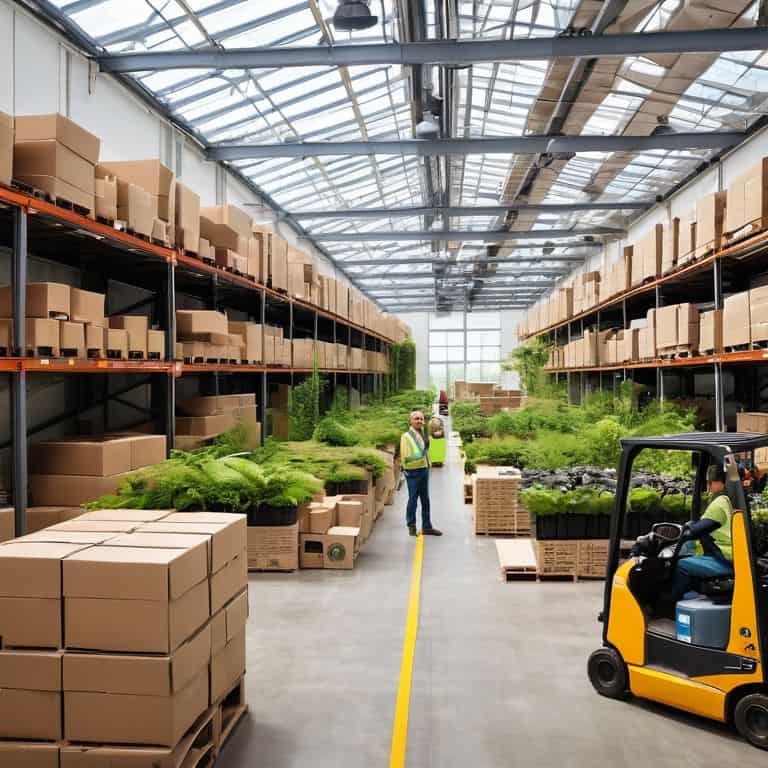
I still remember the day I walked into a conference room and heard a consultant pitch a green supply chain management strategy that sounded like a recipe for disaster – or at least a surefire way to drain a small business’s bank account. The idea that going green had to mean going broke was a myth I’d heard one too many times, and it was a notion that I was determined to debunk. As someone who’s spent years navigating the corporate world, I’ve seen my fair share of overcomplicated and overpriced solutions that promise the world but deliver little more than a lighter wallet.
As I sit here sipping my coffee, I want to assure you that practical advice is exactly what you’ll get from me. I’m not here to sell you on some fancy, environmentally friendly gimmick that will break the bank. Instead, I’ll share my real-world experience and insights on how to make green supply chain management a reality for your small business, without sacrificing your bottom line. My goal is to provide you with honest, hype-free guidance that will help you navigate the complex world of sustainable business practices, and make informed decisions that are good for both your business and the planet.
Table of Contents
- Greening Your Business
- Mastering Green Supply Chain Management
- Carbon Offsetting for Eco Conscious Entrepreneurs
- Eco Labeling and Certification for Sustainable Procurement
- 5 Key Tips to Perk Up Your Green Supply Chain
- Key Takeaways for a Greener Supply Chain
- A Greener Perspective
- Sustaining a Greener Tomorrow
- Frequently Asked Questions
Greening Your Business
As I sit here sipping my coffee, I’m reminded of the importance of sustainable procurement practices in reducing a business’s environmental footprint. It’s not just about sourcing materials from eco-friendly suppliers, but also about considering the entire lifecycle of a product. For instance, opting for renewable energy in transportation can significantly lower emissions and contribute to a cleaner environment. By making conscious choices, small businesses can make a big impact.
When it comes to packaging, there are plenty of green packaging solutions available that can help reduce waste and minimize environmental harm. From biodegradable materials to minimal packaging designs, the options are endless. As a business consultant, I’ve seen firsthand how these small changes can add up to make a significant difference. It’s all about being mindful of the environmental impact of our actions and taking steps to mitigate it.
By implementing eco_labeling and certification programs, businesses can not only reduce their environmental impact but also appeal to the growing demographic of eco-conscious consumers. This can be a win-win for both the business and the environment. As someone who’s passionate about supporting small businesses, I believe that every small step counts, and it’s exciting to see the positive change that can come from supply chain carbon offsetting initiatives.
Brewing a Greener Future With Renewable Energy
As I sip my coffee at a local shop, I’m reminded of the impact that renewable energy can have on a business’s carbon footprint. By investing in solar panels or wind turbines, small businesses can significantly reduce their reliance on fossil fuels and lower their energy costs.
I’ve seen firsthand how sustainable practices can boost a company’s reputation and attract eco-conscious customers. By incorporating renewable energy into their operations, businesses can not only reduce their environmental impact but also enhance their brand image and contribute to a greener future.
Sustainable Packaging Solutions for Small Towns
As I sip my coffee at the local café, I think about how sustainable practices can make a big difference in small towns. One key area is packaging – all those cups, lids, and sleeves can really add up. By switching to eco-friendly options, businesses can reduce their waste and appeal to customers who care about the environment.
I’ve seen some great examples of biodegradable packaging in action, from compostable cups to plant-based utensils. These solutions not only help the planet, but also enhance the customer experience and build brand loyalty.
Mastering Green Supply Chain Management

As I sip my coffee at a local shop, I often think about how sustainable procurement practices can make a significant difference in reducing a company’s environmental footprint. By choosing suppliers who share similar values and commitments to the environment, small businesses can contribute to a more eco-friendly future. For instance, opting for suppliers who use renewable energy in transportation can significantly lower carbon emissions.
When it comes to reducing waste, eco_labeling and certification can be a game-changer. By clearly labeling products with their environmental impact, businesses can empower consumers to make informed choices. This not only helps reduce waste but also encourages sustainable consumption patterns. As a business consultant, I’ve seen firsthand how small changes in packaging and labeling can add up to make a significant difference.
By implementing environmental impact assessment tools, small businesses can identify areas where they can improve their sustainability. This might involve assessing the carbon footprint of their supply chain or identifying opportunities for supply chain carbon offsetting. By taking a proactive approach to sustainability, small businesses can not only reduce their environmental impact but also enhance their brand reputation and appeal to environmentally conscious consumers.
Carbon Offsetting for Eco Conscious Entrepreneurs
As an eco-conscious entrepreneur, it’s essential to consider the impact of your business on the environment. One way to reduce your carbon footprint is by investing in carbon offsetting projects. This involves calculating the amount of carbon dioxide your business produces and then funding projects that reduce greenhouse gas emissions elsewhere.
By embracing carbon offsetting, you can balance out the emissions from your business and contribute to a more sustainable future. This approach not only helps the environment, but it can also enhance your brand’s reputation and appeal to customers who share your values.
Eco Labeling and Certification for Sustainable Procurement
As I sip my coffee at a local shop, I think about how eco-labeling can make a significant impact on a business’s sustainability efforts. By clearly labeling products with their environmental credentials, companies can help customers make informed decisions about their purchases. This, in turn, can drive demand for more sustainable products and encourage suppliers to adopt greener practices.
When it comes to sustainable procurement, certification programs can play a crucial role in ensuring that businesses are meeting their environmental commitments. By obtaining certifications like the Forest Stewardship Council (FSC) or the Marine Stewardship Council (MSC), companies can demonstrate their dedication to responsible sourcing and reduce their environmental footprint.
5 Key Tips to Perk Up Your Green Supply Chain
- Conduct a thorough supply chain audit to identify areas where you can reduce waste and emissions, just like I do when I’m exploring local coffee shops to find the most sustainable brew
- Implement renewable energy sources, such as solar or wind power, to reduce your reliance on fossil fuels and lower your carbon footprint
- Opt for sustainable packaging solutions, like biodegradable or recyclable materials, to minimize your environmental impact and appeal to eco-conscious consumers
- Develop a carbon offsetting strategy to compensate for any unavoidable emissions, whether it’s investing in reforestation projects or renewable energy credits
- Explore eco-labeling and certification options, like the USDA BioPreferred label or the Fair Trade certification, to ensure that your procurement practices align with your sustainability goals and values
Key Takeaways for a Greener Supply Chain
By incorporating renewable energy sources and sustainable packaging solutions, small businesses can significantly reduce their environmental footprint and attract eco-conscious customers
Implementing carbon offsetting strategies and obtaining eco-labeling certifications can enhance a company’s reputation and contribute to a more sustainable supply chain
By embracing green supply chain management practices, entrepreneurs can not only benefit the planet but also improve their bottom line, increase brand loyalty, and stay ahead of the competition in their local markets
A Greener Perspective
As we sip our coffee and ponder the future of business, remember that green supply chain management isn’t just a trend – it’s a powerful tool to reduce our environmental footprint, boost brand loyalty, and perk up the bottom line for small town entrepreneurs and big city businesses alike.
Amanda Thompson
Sustaining a Greener Tomorrow

As we conclude our journey through the world of green supply chain management, it’s essential to summarize the key takeaways. We’ve explored the importance of renewable energy in brewing a greener future, delved into sustainable packaging solutions that can make a significant impact in small towns, and examined the benefits of carbon offsetting for eco-conscious entrepreneurs. Additionally, we’ve discussed the role of eco-labeling and certification in promoting sustainable procurement practices. By implementing these strategies, small businesses can not only reduce their environmental footprint but also enhance their brand reputation and appeal to the growing demographic of environmentally aware consumers.
As we look to the future, it’s clear that embracing green supply chain management is no longer a choice, but a necessity. By leading the charge towards a more sustainable tomorrow, small businesses can drive positive change and create a better world for generations to come. So, let’s raise a cup of sustainably sourced coffee to the entrepreneurs who are passionate about making a difference, and to the brighter, greener future that awaits us all.
Frequently Asked Questions
How can small businesses balance the cost of implementing green supply chain management practices with the need to remain competitive in their industry?
As a small business owner, I totally get it – going green can seem pricey. But here’s the thing: investing in green supply chain management can actually save you money in the long run. Think energy-efficient equipment, reduced waste, and even potential tax incentives. Let’s crunch some numbers over a cup of coffee and explore cost-effective ways to make your business more sustainable.
What are some common challenges that companies face when trying to transition to a more sustainable supply chain, and how can they overcome these obstacles?
Let’s dive into the common hurdles companies face when going green. I’ve seen many struggle with higher upfront costs, limited supplier options, and lack of visibility into their supply chain’s environmental impact. To overcome these, it’s essential to set clear sustainability goals, collaborate with suppliers, and invest in data-driven tools to track progress.
Are there any specific certifications or standards that small businesses should aim to achieve in order to demonstrate their commitment to green supply chain management and appeal to eco-conscious consumers?
As a small business owner, you should consider certifications like ISO 14001 or the Green Business Certification to demonstrate your commitment to green supply chain management. These standards can help you appeal to eco-conscious consumers and set your business apart in a competitive market.