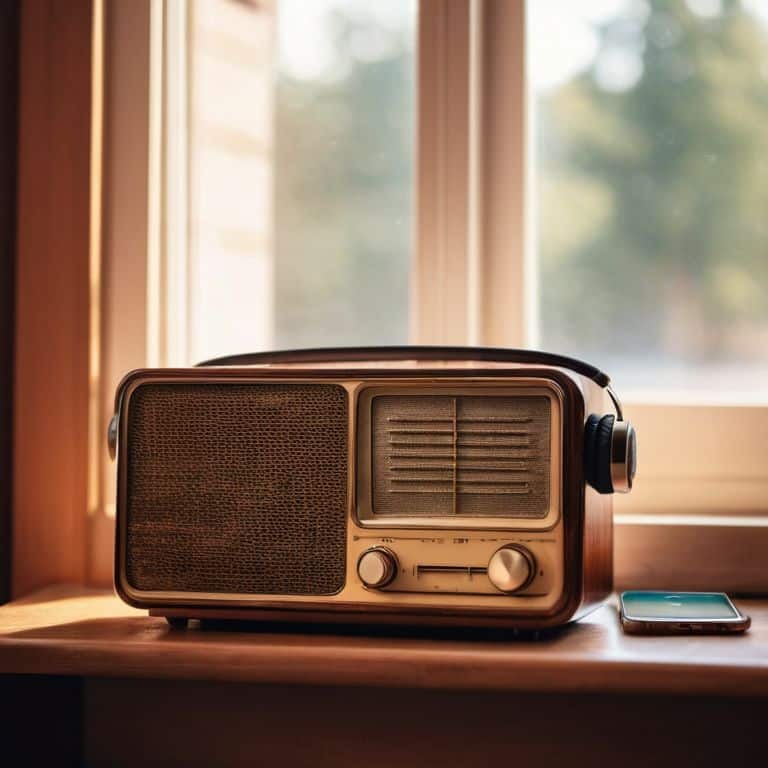
As I sat on a worn bus seat, rummaging through my travel scrapbook filled with unique bus tickets and sketches, I stumbled upon a podcasting vs radio debate I had jotted down during a trip to New York City. It sparked a wave of nostalgia, remembering the countless hours I spent listening to the radio as a child, and now, as a travel guide writer, finding solace in podcasts that fuel my adventures. The dilemma of choosing between the two has become a common conundrum for many, including myself, as we navigate the ever-changing landscape of audio content.
In this article, I promise to offer a no-nonsense perspective on the podcasting vs radio debate, drawing from my personal experiences as a storyteller and urban sketcher. I’ll share my honest thoughts on the advantages and disadvantages of each, from the intimacy of podcasts to the breadth of radio broadcasts. My goal is to provide you with a whimsical yet informative guide, helping you make an informed decision about which medium resonates with you, and perhaps, inspiring you to explore new paths, both in the physical and audio worlds.
Table of Contents
Podcasting

Podcasting is a digital audio format that allows users to create and distribute their own radio-style shows, with the main selling point being its on-demand accessibility. This core mechanism enables listeners to tune in to their favorite podcasts at any time, pausing, rewinding, or fast-forwarding as they please, making it a highly convenient form of entertainment. The rise of podcasting has been fueled by its ease of production and distribution, allowing a wide range of creators to produce content on niche topics.
As I reflect on my own experiences with podcasting, I realize that its impact goes beyond mere convenience. I recall listening to a fascinating true-crime story while exploring the streets of a new city, the narrative weaving itself into the urban landscape. This immersive experience is what makes podcasting so compelling, as it allows listeners to connect with the content on a deeper level, making it feel more personal and engaging. By providing a platform for unique voices and perspectives, podcasting has democratized the art of storytelling, enabling anyone to become a creator and share their vision with the world.
Radio
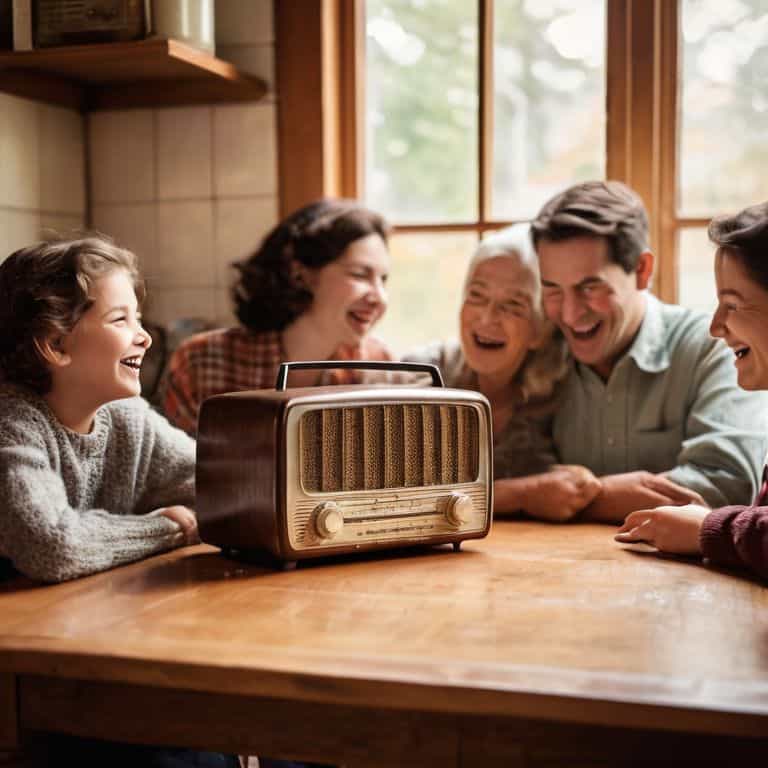
Radio is a traditional broadcasting medium that transmits audio content to a wide audience through radio waves, with its main advantage being its widespread reach and ability to provide real-time information. This core mechanism has been the backbone of radio’s success, enabling it to reach a large and diverse audience, from news and music to talk shows and live events. The enduring appeal of radio lies in its ability to bring people together, creating a shared experience that transcends geographical boundaries.
As I think back to my childhood, I remember listening to the radio with my grandmother, laughing together at a comedic show or singing along to our favorite tunes. This shared experience is what makes radio so special, as it has the power to bring people together and create a sense of community. With its ability to provide live updates and real-time information, radio remains an essential part of our daily lives, keeping us informed and entertained, even in the age of digital media.
Podcasting vs Radio: Head-to-Head Comparison
| Feature | Podcasting | Radio |
|---|---|---|
| Price | Low to No Cost | High Equipment and Licensing Costs |
| Key Feature | On-demand content | Live broadcasting |
| Best For | Niche audiences and flexible scheduling | Mass audiences and live events |
| Content Control | Full control over content | Strict regulatory and censorship guidelines |
| Monetization | Dynamic ad insertion, sponsorships, and listener support | Traditional radio ads and sponsorships |
| Audience Engagement | Direct interaction through comments and social media | Limited direct interaction, primarily through call-ins |
| Distribution | Global reach through online platforms | Geographically limited by broadcast range |
Beyond the Dial Podcasting vs Radio
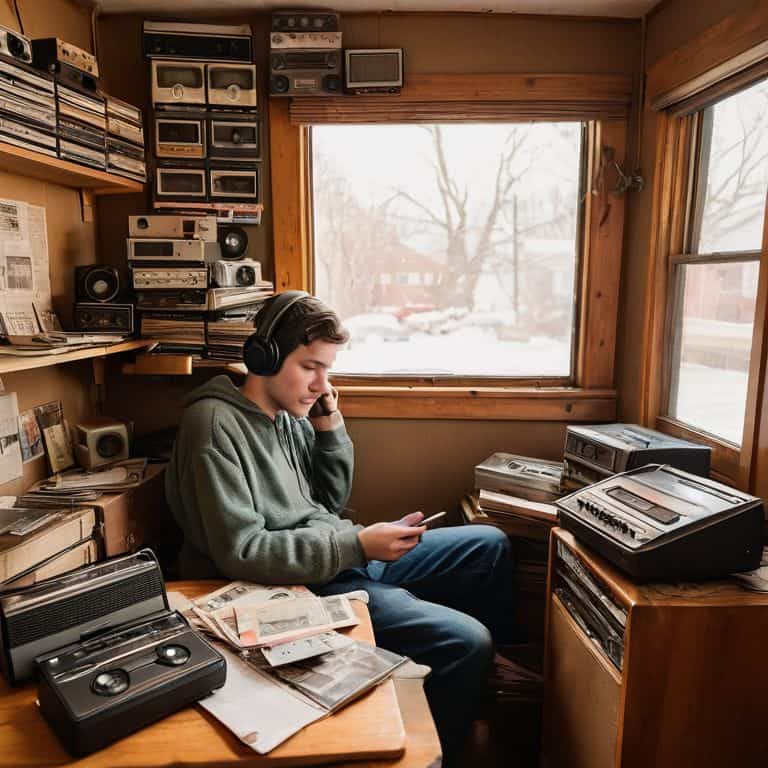
As I flipped through the pages of my travel scrapbook, adorned with bus tickets and sketches, I realized that the _evolution of audio storytelling_ is a pivotal aspect of the podcasting vs radio debate. The way we consume audio content has undergone a significant transformation, and understanding the implications of this shift is crucial for creators and listeners alike.
In the realm of podcasting, content creators have the freedom to produce and distribute their work without the constraints of traditional radio broadcasting. This has led to a _diversification of content_, with podcasts covering a wide range of topics and catering to specific niches. On the other hand, radio has traditionally been more restrictive, with a focus on mainstream appeal and adherence to strict broadcasting guidelines. As a result, podcasting has become a haven for innovative and experimental storytelling.
When it comes to _audience engagement_, podcasting seems to have the upper hand. With the ability to produce content that is highly targeted and interactive, podcasters can build strong relationships with their listeners. In contrast, radio broadcasting often feels more one-way, with limited opportunities for audience participation. Therefore, in the category of “Beyond the Dial,” I would declare podcasting the clear winner, offering a more dynamic and engaging listening experience.
Three Key Takeaways from the Airwaves
As I reflect on the world of podcasting and radio, I realize that the true magic lies not in the medium itself, but in the stories that unfold through the static and the silence
From my own wanderings, I’ve come to understand that podcasting offers a level of intimacy and niche exploration that traditional radio often can’t match, yet there’s a timeless allure to the latter’s ability to bring communities together
Whether tuning into a dusty old radio broadcast or discovering a new podcast in a hidden corner of the city, the art of storytelling remains the unbroken thread that weaves these two worlds together, inviting us to step into the unknown and find our own tales to tell
Tuning into the Times
As I see it, the duel between podcasting and radio isn’t about which medium reigns supreme, but about how each tunes us into the rhythm of our own stories, and the extraordinary tales hidden in the mundane.
John Davis
The Final Verdict: Which Should You Choose?
As I reflect on the comparison between podcasting and radio, it becomes clear that both mediums have their unique strengths and weaknesses. Podcasting offers a level of personalization and on-demand accessibility that traditional radio cannot match, with its vast library of shows and episodes available at any time. On the other hand, radio provides a sense of community and spontaneity, with live broadcasts and real-time engagement that can be incredibly compelling. Ultimately, the choice between podcasting and radio depends on individual preferences and listening habits.
In the end, I would declare podcasting the winner for users who value flexibility and customization, as it allows listeners to curate their own content and listen at their convenience. However, for those who enjoy the thrill of discovery and the energy of live broadcasts, radio is still the better choice. Whether you’re a fan of podcasting or radio, the most important thing is to find the medium that resonates with you and provides the best listening experience, with its unique blend of storytelling, music, and human connection.
Frequently Asked Questions
How do podcasting and radio differ in terms of content diversity and listener engagement?
As I flipped through my travel scrapbook, I noticed the eclectic mix of podcasts I’d discovered in foreign cities, from quirky comedy shows to in-depth cultural analyses. In contrast, radio often sticks to familiar formats, limiting its diversity. Podcasting’s on-demand nature also fosters deeper listener engagement, allowing us to binge or revisit episodes at will, unlike radio’s linear schedule.
Can traditional radio still compete with the on-demand nature of podcasting in today's digital age?
As I flip through my travel scrapbook, filled with bus tickets and sketches, I ponder this question. While podcasting offers on-demand convenience, traditional radio still weaves a spell with its live broadcasts and spontaneous storytelling, much like the unpredictable routes I’ve taken through unfamiliar cities, reminding me that sometimes the best tales unfold in real-time.
What role do nostalgia and familiarity play in the choice between listening to podcasts versus traditional radio broadcasts?
As I flip through my travel scrapbook, I notice how bus tickets from nostalgic routes evoke a sense of warmth, much like the comfort of traditional radio broadcasts. For many, the familiarity of radio’s voice and rhythm is a beacon of nostalgia, whereas podcasts offer a more personalized, modern twist – a choice between the cozy familiarity of a favorite armchair and the thrill of a new, uncharted path.