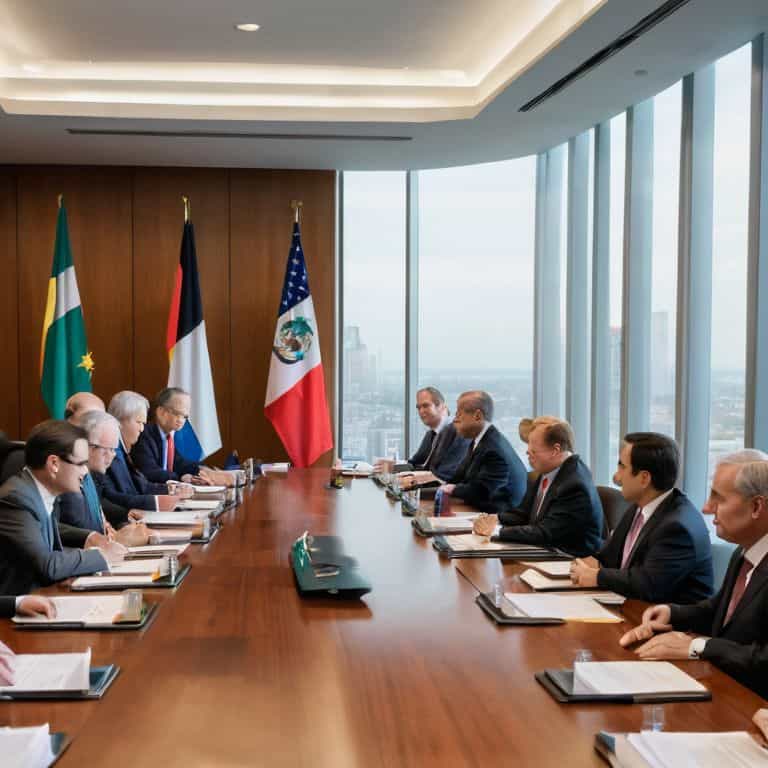
I still recall my first lecture on global trade agreements at the London School of Economics – it blew my mind to think that a simple agreement could connect economies worldwide. As I delved deeper into the subject, I realized that many people view these agreements as complex, intimidating entities that only experts can understand. However, I believe that demystifying global trade agreements is crucial for individuals and businesses to navigate the global marketplace effectively.
As someone who’s passionate about making finance accessible, I promise to provide you with honest, experience-based advice on global trade agreements. In this article, I’ll share my insights on how these agreements can impact your financial decisions, from investing in international markets to understanding the risks and opportunities associated with global trade. My goal is to empower you with clear, actionable information, helping you make informed decisions about your financial future. By the end of this journey, you’ll have a deeper understanding of global trade agreements and how they can shape your financial aspirations.
Table of Contents
- Understanding Global Trade Agreements
- Mastering Global Trade Agreements
- Foreign Investment Incentives and Supply Chains
- Negotiation Techniques and Economic Sanctions Impact
- 5 Essential Takeaways for Navigating Global Trade Agreements
- Key Takeaways for Navigating Global Trade Agreements
- A Vision for Global Prosperity
- Conclusion: Navigating the Future of Global Trade
- Frequently Asked Questions
Understanding Global Trade Agreements

As I delve into the world of international trade, I’m reminded of my days studying economics at the London School of Economics. One concept that fascinated me was the role of regional trade blocs in shaping global commerce. These blocs, which are essentially groups of countries with shared economic interests, work together to reduce tariffs and facilitate trade among member states. I recall jotting down notes in my tiny notepad about the benefits of such blocs, including increased economic cooperation and job creation.
My interest in foreign investment incentives also led me to explore how countries use these incentives to attract businesses and stimulate economic growth. By offering attractive incentives, countries can become more competitive in the global marketplace, which in turn can lead to increased foreign investment and economic expansion. I’ve seen this play out in various countries, where tariff reduction strategies have been successfully implemented to boost trade and investment.
In my experience, understanding the intricacies of global trade is crucial for businesses and individuals alike. Effective global supply chain management requires a deep understanding of the complex networks of suppliers, manufacturers, and distributors that span the globe. By grasping these concepts, businesses can better navigate the global marketplace and make informed decisions about investments and trade partnerships. As I always say, knowledge is power, and in the world of global trade, it’s essential to stay informed to stay ahead.
Navigating Regional Trade Blocs Strategically
As I delve into the world of regional trade blocs, I’m reminded of a fascinating lecture I attended at the London School of Economics, where the speaker highlighted the importance of strategic trade agreements. These agreements have the power to shape the economic landscape of entire regions, and understanding them is crucial for businesses looking to expand globally.
When navigating these complex trade networks, it’s essential to consider the economic implications of each agreement. By doing so, businesses can make informed decisions about where to invest and how to allocate their resources, ultimately gaining a competitive edge in the global marketplace.
Tariff Reduction Strategies for Business Growth
As I delve into the world of global trade agreements, I’m reminded of a conversation I had with a business owner who successfully expanded his company’s reach by leveraging tariff reduction strategies. This got me thinking about the potential for businesses to thrive in a global marketplace where tariffs are minimized.
By adopting flexible pricing models, businesses can not only stay competitive but also capitalize on the opportunities presented by global trade agreements, ultimately driving business growth and expansion into new markets.
Mastering Global Trade Agreements

As I delve into the world of international trade, I’m reminded of a lecture I attended at the London School of Economics, where the concept of regional trade blocs was first introduced to me. It was fascinating to learn how these blocs can facilitate economic cooperation and reduce tariffs, ultimately benefiting businesses and consumers alike. I recall jotting down some key points in my tiny notepad, which has become a trusted companion in my financial journey.
When it comes to navigating the complexities of international trade, foreign investment incentives play a crucial role. By understanding how to leverage these incentives, businesses can optimize their global supply chain management and stay competitive in the market. I’ve seen this firsthand through my work as a financial analyst, where I’ve helped companies develop strategies to minimize the impact of economic sanctions and maximize their potential for growth.
In my experience, trade agreement negotiation techniques are essential for businesses looking to expand their reach globally. By mastering these techniques, companies can effectively negotiate favorable terms and reduce tariffs, ultimately leading to increased profitability. As someone who’s passionate about collecting vintage financial literature, I’ve had the opportunity to read about the history of trade agreements and how they’ve evolved over time, providing valuable insights into the world of global trade.
Foreign Investment Incentives and Supply Chains
As I delve into the world of global trade, I’m reminded of a fascinating lecture I attended at the London School of Economics, where we explored how foreign investment incentives can be a game-changer for businesses looking to expand internationally. These incentives can range from tax breaks to subsidies, and they play a crucial role in attracting foreign direct investment.
By understanding the supply chain dynamics at play, businesses can better navigate the complexities of global trade and make informed decisions about where to invest and how to allocate resources. This, in turn, can lead to increased efficiency, reduced costs, and improved competitiveness in the global marketplace.
Negotiation Techniques and Economic Sanctions Impact
As I reflect on my studies at the London School of Economics, I realize that effective communication is crucial in global trade negotiations. It’s not just about reducing tariffs or increasing foreign investment, but also about understanding the cultural and economic nuances of each region. I recall a particularly interesting lecture on the art of negotiation, where our professor shared a story about a successful trade agreement between two countries with vastly different economic systems.
In the real world, economic sanctions can have a significant impact on trade negotiations, often being used as a tool to influence policy decisions. As a financial analyst, I’ve seen how sanctions can disrupt supply chains and affect business growth, making it essential for companies to stay informed about global trade policies and develop strategies to mitigate potential risks.
5 Essential Takeaways for Navigating Global Trade Agreements
- Understand the nuances of regional trade blocs and how they impact your business operations
- Leverage tariff reduction strategies to minimize costs and maximize profitability in international trade
- Identify and capitalize on foreign investment incentives to strengthen your supply chains and global presence
- Develop effective negotiation techniques to navigate the complexities of global trade agreements and mitigate the impact of economic sanctions
- Stay informed about the latest developments in global trade agreements to anticipate and adapt to changes in the international trade landscape
Key Takeaways for Navigating Global Trade Agreements
Develop a deep understanding of regional trade blocs and their implications on your business, including how tariff reductions can be leveraged for growth
Effectively navigate foreign investment incentives and supply chain management to maximize benefits from global trade agreements, while being mindful of negotiation techniques and potential economic sanctions
Empower your financial decision-making by staying informed about global trade developments, and consider how these agreements can reshape your business’s financial future and contribute to achieving financial independence
A Vision for Global Prosperity
Global trade agreements are not just about numbers and tariffs; they’re about the stories of entrepreneurs, workers, and families whose lives are changed by the flow of goods, services, and ideas across borders, reminding us that the true power of trade lies not in its complexity, but in its ability to simplify the distances between us.
Samuel Marshall
Conclusion: Navigating the Future of Global Trade
As I reflect on our journey through the world of global trade agreements, it’s clear that understanding regional trade blocs and tariff reduction strategies are crucial for businesses aiming to expand their reach. We’ve explored the intricacies of foreign investment incentives, supply chains, and negotiation techniques, all of which play a significant role in mastering global trade. By grasping these concepts, individuals and businesses can better navigate the complexities of international trade, ultimately fostering economic growth and cooperation.
As we move forward in this ever-evolving landscape, it’s essential to remain adaptable and open to new opportunities. By embracing the challenges and possibilities presented by global trade agreements, we can work towards a future where international trade is not just a means of economic exchange, but a catalyst for global understanding and prosperity. Let’s continue to explore, learn, and grow together, turning the pages of our financial futures into stories of success and empowerment.
Frequently Asked Questions
How do global trade agreements impact the competitiveness of small businesses in local markets?
As I jot down notes in my trusty notepad, I’ve found that global trade agreements can be a double-edged sword for small businesses. While they can provide access to new markets and materials, they also risk flooding local markets with cheap imports, increasing competition.
What role do economic sanctions play in shaping the terms of global trade agreements?
I’ve seen firsthand how economic sanctions can drastically alter the landscape of global trade agreements. In my experience, sanctions can be a powerful tool for negotiating terms, but they also pose significant risks, such as retaliatory measures and market instability. As I noted in my trusty notepad, “sanctions can be a double-edged sword” – a delicate balance indeed.
Can regional trade blocs effectively promote economic cooperation and reduce trade barriers among member nations?
In my view, regional trade blocs can indeed foster economic cooperation and dismantle trade barriers, as I’ve seen in the EU’s single market and NAFTA’s tariff reductions. By promoting a unified trade policy, these blocs encourage member nations to work together, driving growth and integration. I’ve jotted down some key examples in my notepad, highlighting the successes of the ASEAN Economic Community and the African Continental Free Trade Area.