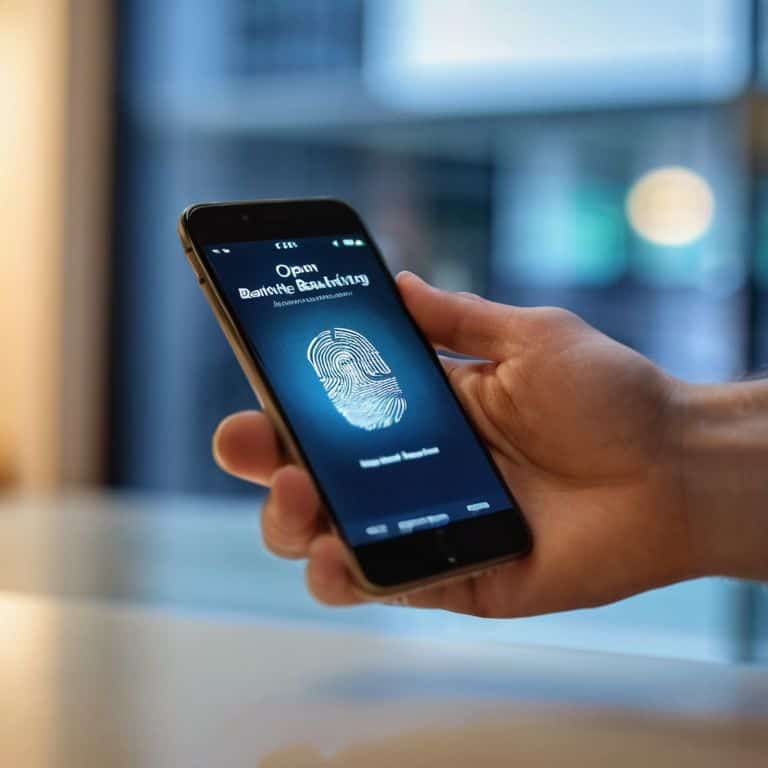
I still remember the first time I used facial recognition to log into my bank account – it was a total game-changer. The concept of biometric authentication in banking was no longer just a fancy tech trend, but a reality that made my financial life easier and more secure. As I delved deeper into the world of finance, I realized that this technology was not just about convenience, but about building trust between banks and their customers. However, I’ve often found that the discussion around biometric authentication is shrouded in jargon and overly complicated explanations, making it inaccessible to those who need it most.
As someone who’s passionate about demystifying complex financial concepts, I want to cut through the noise and provide you with a no-nonsense guide to biometric authentication in banking. In this article, I’ll share my personal experiences and insights on how this technology is revolutionizing the way we interact with our finances. I’ll explore the benefits and limitations of biometric authentication, and provide you with practical tips on how to navigate this new landscape. My goal is to empower you with the knowledge and confidence to take control of your financial journey, and to make informed decisions about your banking security.
Table of Contents
Biometric Authentication in Banking

As I delve into the world of secure biometric data storage, I’m reminded of the countless times I’ve struggled with passwords and PINs. Biometric authentication has been a game-changer, allowing me to access my accounts with ease and convenience. The use of voice recognition for online banking is particularly intriguing, as it offers an additional layer of security and flexibility.
The implementation of biometric authentication protocols has also led to the development of banking apps with facial recognition. These apps have made it possible for users to log in and conduct transactions with just a glance, eliminating the need for cumbersome passwords and usernames. This not only enhances the user experience but also provides an additional layer of security, as facial recognition technology is extremely difficult to replicate.
Looking to the future of biometric banking security, it’s clear that regulations will play a crucial role in shaping the industry. Biometric authentication regulations will need to balance security concerns with user convenience, ensuring that sensitive data is protected while still allowing for seamless transactions. As the technology continues to evolve, it’s exciting to think about the possibilities that biometric authentication will bring to the world of finance.
The Future of Biometric Banking Security
As I see it, the future of biometric banking security is all about seamless integration with our daily lives. We’re already witnessing the dawn of a new era where transactions can be authorized with just a glance or a voice command. This not only enhances security but also makes banking more convenient.
The potential for advanced biometric systems to revolutionize the way we think about financial security is vast. With the ability to detect and prevent fraud in real-time, these systems can provide an unprecedented level of protection for our financial information.
Unlocking Accounts With Voice Recognition
As I delve into the various forms of biometric authentication, I find voice recognition to be particularly intriguing. It’s amazing how a simple voice command can unlock our accounts, making transactions more convenient than ever. I recall a time when I used voice recognition to access my account while driving, and it was a total game-changer.
The use of advanced algorithms in voice recognition technology has significantly enhanced security and accuracy. This technology can detect even the slightest variations in voice patterns, ensuring that only authorized individuals can access their accounts. With voice recognition, banking has become more accessible and user-friendly, allowing people to manage their finances on-the-go.
Secure Banking Through Biometrics
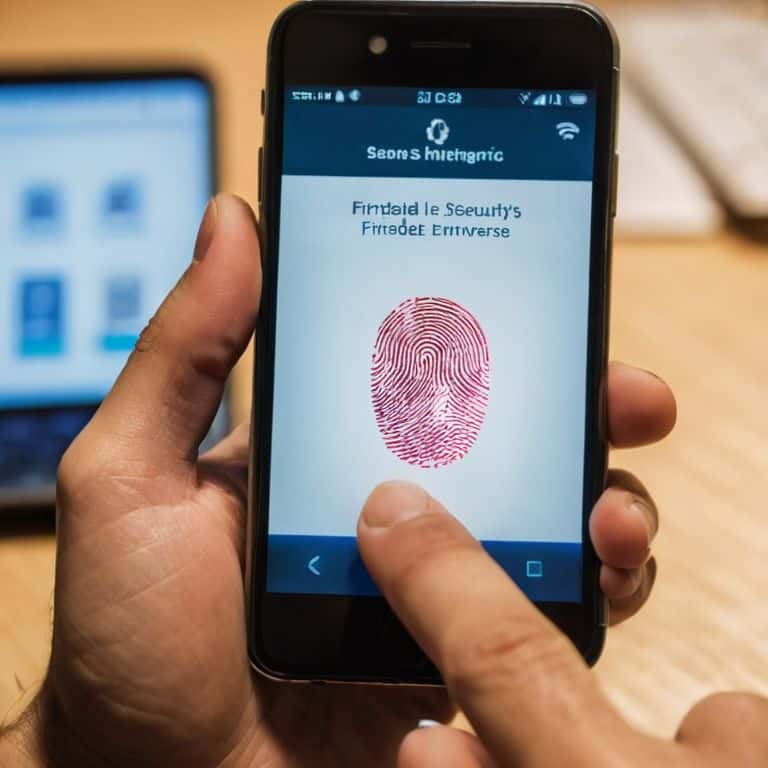
As I delve into the world of secure banking, I’m reminded of the numerous times I’ve used voice recognition for online banking to access my accounts. It’s astonishing how this technology has become an integral part of our daily lives. Secure biometric data storage is a crucial aspect of this process, ensuring that our personal information remains protected from potential threats. I recall reading about a study that highlighted the importance of robust biometric authentication protocols in preventing data breaches.
The use of banking apps with facial recognition has also gained significant traction in recent years. This technology allows users to access their accounts with a mere glance, eliminating the need for passwords or PINs. As I see it, the future of biometric banking security is bright, with advancements in technology enabling more secure and convenient transactions. It’s essential, however, to ensure that these systems are backed by stringent biometric authentication regulations to prevent misuse.
In my opinion, the key to successful biometric banking lies in striking a balance between security and convenience. By leveraging voice recognition and facial recognition technologies, banks can provide their customers with a seamless and secure experience. As someone who’s passionate about finance, I’m excited to see how these technologies will continue to evolve and shape the future of biometric banking security. With the right infrastructure in place, I’m confident that we can create a more secure and efficient banking system for all.
Facial Recognition in Mobile Banking Apps
As I delve into the world of biometric authentication, I’m reminded of the first time I used facial recognition to log into my mobile banking app – it was incredibly seamless. The use of facial mapping technology has become increasingly prevalent, allowing users to securely access their accounts with just a glance. This technology has not only enhanced security but also provided a convenient alternative to traditional passwords.
The implementation of advanced algorithms in facial recognition systems has significantly reduced the risk of unauthorized access, making mobile banking apps more secure than ever. With the ability to detect and prevent spoofing attempts, these systems have become a cornerstone of biometric authentication in banking, providing users with an added layer of protection and peace of mind.
Regulating Biometric Data Storage Protocols
As I delve into the world of biometric authentication, I’m reminded of the importance of secure data storage. It’s crucial that banking institutions implement robust protocols to protect sensitive biometric information from potential breaches. I’ve been jotting down notes on this topic in my trusty notepad, and one thing is clear: the consequences of a data leak could be catastrophic.
To mitigate this risk, compliance with regulations is essential. Banking institutions must adhere to strict guidelines when storing and processing biometric data, ensuring that customer information is handled with the utmost care. By doing so, they can maintain the trust of their customers and provide a secure banking experience.
5 Essential Tips for Navigating Biometric Authentication in Banking
- Understand the Types of Biometric Authentication: Familiarize yourself with the different methods such as facial recognition, voice recognition, and fingerprint scanning to choose the most secure option for your banking needs
- Keep Your Biometric Data Safe: Ensure that your device and banking app are updated with the latest security patches to protect your biometric data from potential breaches
- Be Aware of Phishing Scams: Never provide your biometric data in response to unsolicited emails or messages, and always verify the authenticity of the request through official banking channels
- Monitor Your Accounts Regularly: Regularly review your account activity to detect any suspicious transactions that may indicate a security breach, and report them immediately to your bank
- Use Two-Factor Authentication: Combine biometric authentication with another form of verification, such as a password or PIN, to add an extra layer of security to your banking transactions
Key Takeaways from the World of Biometric Banking
I’ve seen firsthand how biometric authentication, such as voice recognition and facial identification, can significantly enhance the security and convenience of banking transactions, making it easier for individuals to manage their finances on-the-go
Regulatory frameworks around biometric data storage are crucial for protecting consumers’ sensitive information and maintaining trust in the banking system, a topic I’ve explored in depth through my hobby of collecting vintage financial literature, where I’ve noted the evolution of security measures over time
As we move forward, it’s essential to consider the potential implications of widespread biometric authentication adoption in banking, including the need for ongoing education and awareness about the benefits and risks of this technology, which I plan to continue exploring in future articles, perhaps even jotting down some insights in my trusty notepad
A New Era of Trust
As we embrace biometric authentication in banking, we’re not just securing our accounts, we’re building a foundation of trust that’s as personal as our fingerprints and as unique as our faces.
Samuel Marshall
Embracing the Future of Secure Banking
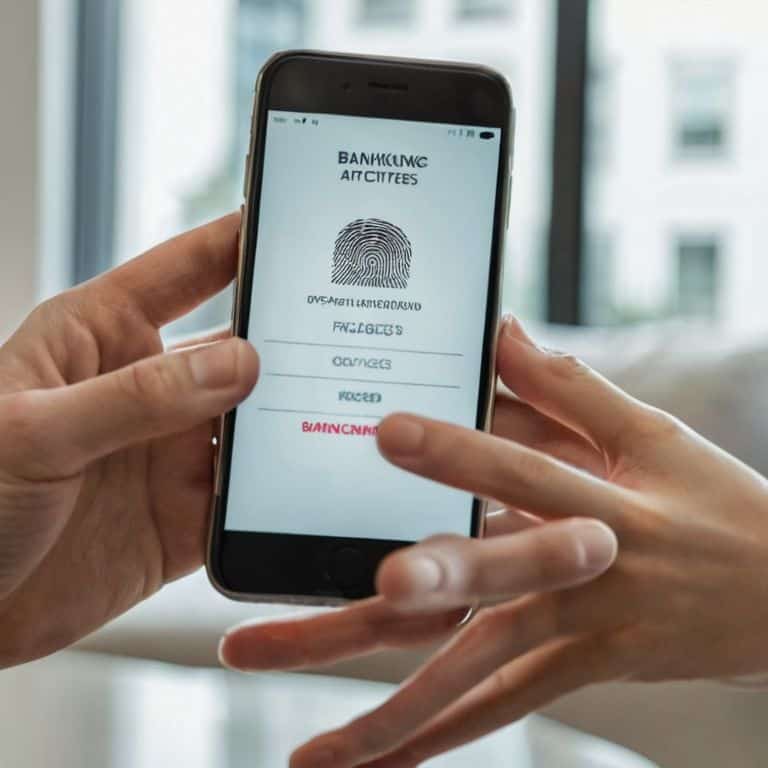
As I reflect on the journey of biometric authentication in banking, it’s clear that we’ve come a long way from traditional passwords and PINs. We’ve explored the fascinating world of voice recognition, facial recognition, and the regulatory frameworks that ensure our biometric data is protected. The integration of biometric authentication in mobile banking apps has not only enhanced security but also provided a more convenient user experience. By understanding the future of biometric banking security, we can better appreciate the efforts being made to safeguard our financial information.
As we move forward, it’s essential to recognize that biometric authentication is not just a trend, but a fundamental shift in how we interact with our finances. By embracing this technology, we can create a more secure and inclusive financial system for everyone. As I jot down notes in my tiny notepad, I’m reminded that the true power of biometric authentication lies not in the technology itself, but in its potential to empower individuals and communities, enabling them to navigate their financial journeys with confidence and optimism.
Frequently Asked Questions
How secure is biometric data storage in banking institutions?
I’ve always been fascinated by the security of biometric data storage in banking. From what I’ve learned, most institutions use advanced encryption methods and secure servers to protect our biometric information. It’s reassuring to know that our unique identifiers, like fingerprints or facial features, are treated with the utmost care and confidentiality.
Can biometric authentication be fooled by spoofing attacks, such as using a photo or recording to gain access?
As I’ve delved into the world of biometric authentication, I’ve often wondered about its vulnerability to spoofing attacks. The truth is, yes, biometric systems can be fooled by sophisticated spoofing methods, such as using a high-quality photo or voice recording. However, most modern biometric systems employ anti-spoofing measures, like liveness detection, to prevent such attacks.
Will the implementation of biometric authentication in banking lead to job losses in the financial sector, particularly in customer service and security roles?
While biometric authentication may streamline certain processes, I believe it will actually create new job opportunities in fields like data security and tech support, rather than leading to widespread job losses in customer service and security roles.