I still remember the day I decided to try my hand at how to get started with polymer clay jewelry making. I was excited to unleash my creativity, but what I didn’t expect was the overwhelming amount of information out there. It seemed like every tutorial or guide I came across was filled with complicated techniques and specialized tools. But the truth is, getting started with polymer clay jewelry making is surprisingly simple. You don’t need a fancy studio or a plethora of expensive equipment. All you need is a willingness to learn and have fun.
In this article, I’ll share with you my personal journey and the practical tips I’ve learned along the way. You’ll discover how to choose the right materials, create unique designs, and bring your ideas to life. I’ll cut through the noise and give you honest advice on what works and what doesn’t. By the end of this guide, you’ll be equipped with the knowledge and confidence to start creating your own stunning polymer clay jewelry. Whether you’re a beginner or just looking for a new hobby, this article will show you that how to get started with polymer clay jewelry making is easier than you think.
Table of Contents
- Guide Overview: What You'll Need
- Step-by-Step Instructions
- Getting Started With Polymer Clay
- 5 Essential Tips to Kickstart Your Polymer Clay Jewelry Making Journey
- Key Takeaways for a Successful Polymer Clay Jewelry Making Journey
- Embracing the Creative Journey
- Embracing Your Creative Journey
- Frequently Asked Questions
Guide Overview: What You'll Need
Total Time: 1 hour 30 minutes
Estimated Cost: $20 – $40
Difficulty Level: Easy
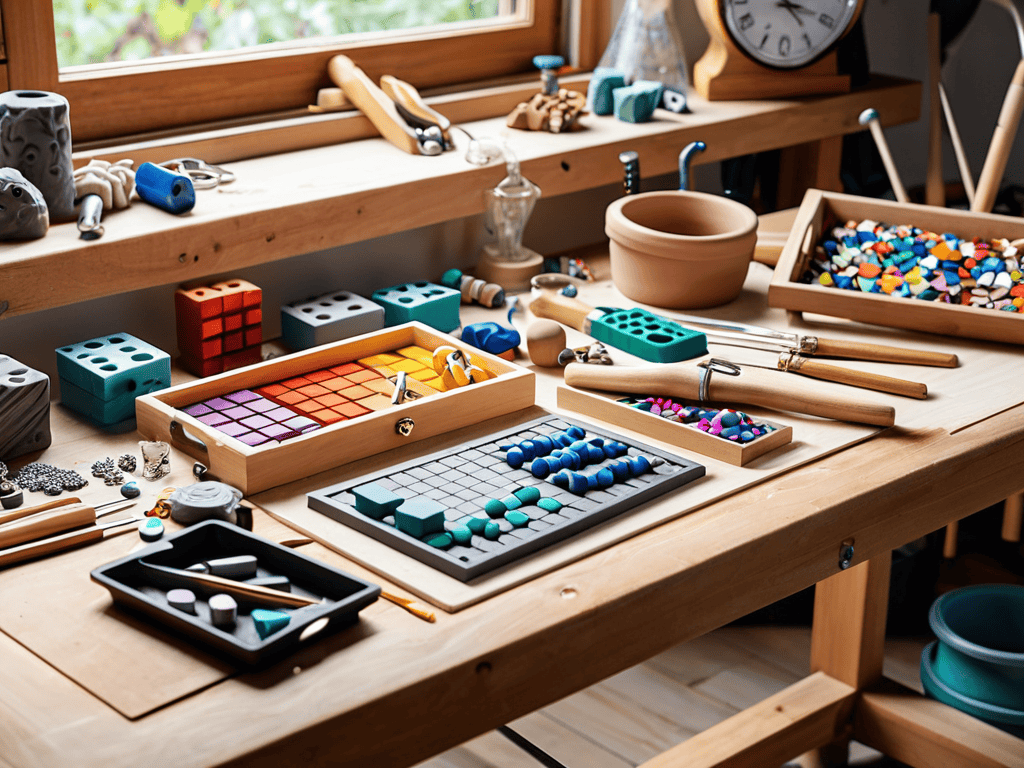
Tools Required
- Rolling Pin (for flattening clay)
- Shaping Tools (e.g., toothpicks, skewers, modeling tools)
- Cutting Tool (e.g., craft knife, scissors, clay cutter)
- Work Surface (e.g., wax paper, parchment paper, or a ceramic tile)
- Oven (for baking clay, temperature control is crucial)
- Sandpaper (for smoothing out clay surfaces)
- Drill (optional, for making holes for jump rings)
- Pliers (for shaping and forming findings)
- Task Light (for good illumination)
Supplies & Materials
- Polymer Clay (various colors, brands like Fimo, Sculpey, or Premo)
- Baking Sheet (lined with parchment paper, for 6 inches by 6 inches or larger)
- Clay Conditioner (e.g., Sculpey Conditioner or baby oil)
- Jump Rings (for connecting findings)
- Chain or Cord (for finishing jewelry pieces, e.g., necklace or bracelet)
- Findings (e.g., earring backs, clasps, head pins)
- Sealant (optional, e.g., varnish or resin for protection)
- Wax Paper (for storing clay and preventing sticking)
- Reference Materials (e.g., tutorials, books, or online classes for inspiration)
Step-by-Step Instructions
- 1. First, let’s get our hands dirty and start by preparing our workspace. This means clearing a flat surface, like a desk or table, and covering it with a plastic tablecloth, old sheets, or a polymer clay-friendly surface like a ceramic tile or a glass cutting board. This will make cleaning up any messes a whole lot easier.
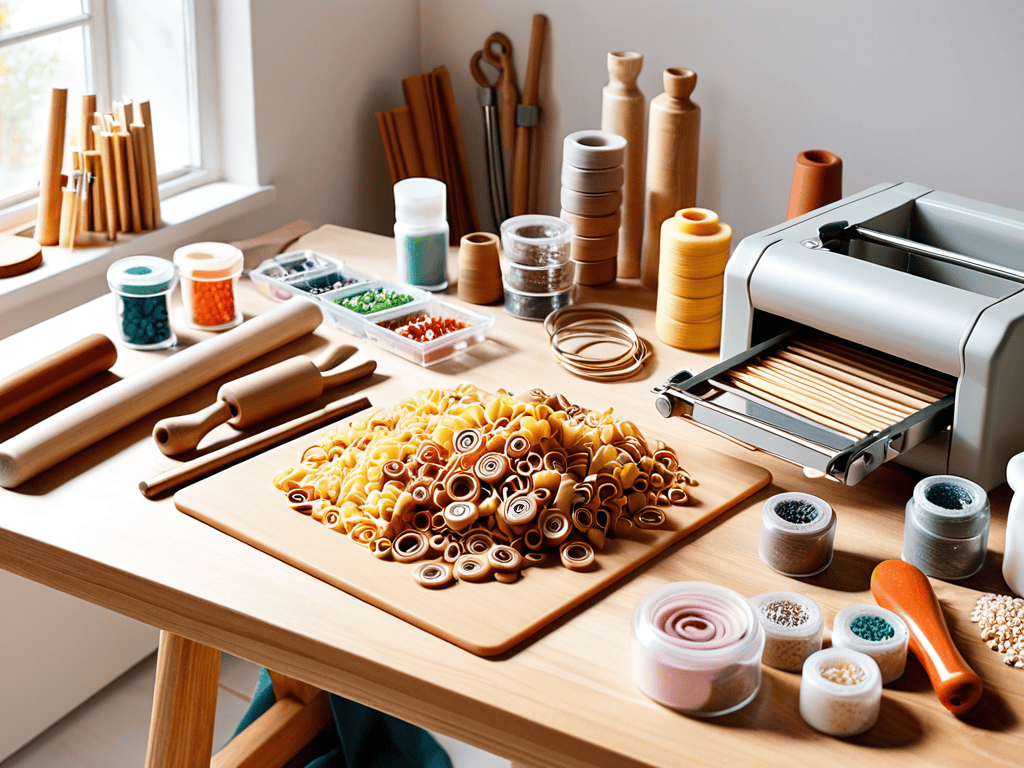
- 2. Next, we need to gather our essential tools and materials. This includes polymer clay, of course, as well as a polymer clay conditioning tool (like a pasta machine or a clay roller), a sharp knife or blade, a cutting mat, and some basic jewelry findings like jump rings, clasps, and stringing material. Don’t worry too much about the specific brands or types – just make sure you have the basics covered.
- 3. Now it’s time to condition our clay, which basically means making it soft and pliable. If you’re using a new package of polymer clay, you might need to knead it for a bit to get rid of any stiffness. You can also use a pasta machine to roll out the clay and make it more evenly textured. Just be careful not to over-condition, or your clay might become too soft and fragile.
- 4. With our clay all conditioned and ready to go, it’s time to start shaping our designs. This can be as simple or as complex as you like – from basic beads and pendants to intricate sculptures and ornaments. Just remember to keep your designs proportionate to the type of jewelry you’re making, and don’t be afraid to experiment and try new things.
- 5. Once we’ve shaped our clay into the desired forms, it’s time to add some details. This can include things like texture, pattern, and color. You can use a variety of techniques, such as stamping, stenciling, or even hand-painting, to add unique touches to your designs. Just be sure to follow any necessary safety precautions when working with paints, inks, or other materials.
- 6. After we’ve added our details, it’s time to bake our clay. This is where the magic happens, and our soft, pliable clay turns into a hard, durable material. Just be sure to follow the manufacturer’s instructions for temperature and baking time, and use a well-ventilated area to avoid inhaling any fumes.
- 7. Finally, it’s time to assemble our jewelry. This can be as simple as threading a bead onto a string, or as complex as constructing a multi-component piece with intricate findings and fastenings. Just remember to have fun and be creative – and don’t be afraid to try new things and make mistakes.
Getting Started With Polymer Clay
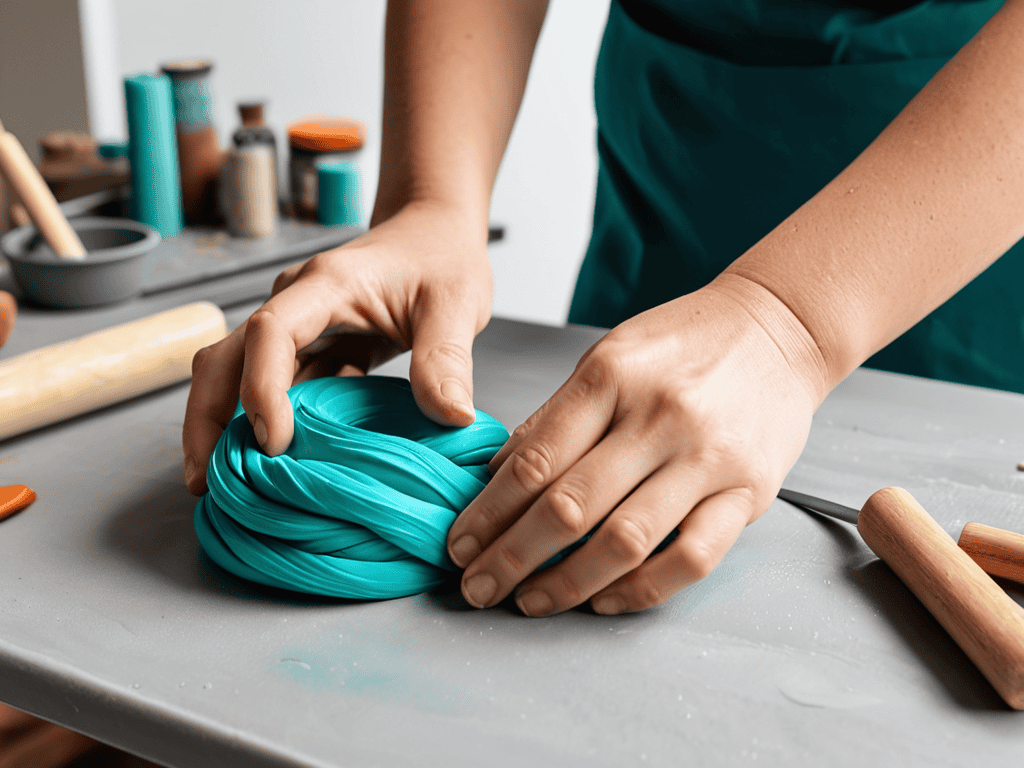
When working with polymer clay types for jewelry, it’s essential to understand their unique characteristics. Some clays are more prone to cracking, while others are more flexible. For beginners, it’s best to start with a versatile clay that can be used for various projects. Conditioning techniques are also crucial to ensure the clay is pliable and easy to work with. This involves kneading the clay to remove any air pockets and make it more consistent.
As you begin your journey in jewelry making for beginners, don’t be afraid to experiment with different color mixing for polymer clay jewelry techniques. This can add a unique touch to your designs and make them truly personalized. You can mix and match various colors to create unique shades and patterns. Additionally, polymer clay jewelry design inspiration can be found in nature, art, or even everyday objects.
To achieve a professional finish, it’s vital to master tips for sanding polymer clay. This involves using progressively finer grits of sandpaper to smooth out the surface of the clay. By doing so, you’ll be able to create intricate designs and patterns that are not only visually appealing but also durable. Remember to work patiently and take your time when sanding, as polymer clay conditioning techniques can make all the difference in the final result.
Exploring Polymer Clay Types for Jewelry
When it comes to polymer clay jewelry making, the type of clay you choose can greatly impact your final piece. You’ve got your standard polymer clays like Fimo and Sculpey, which are great for beginners. Then there are the more specialized clays like Translucent and Metallic, which can add some amazing effects to your jewelry.
For a more earthy look, you might want to try your hand at working with terracotta or bronze-colored polymer clays. These can add a lovely warmth to your pieces. Experimenting with different types of polymer clay can help you discover your own unique style and voice as a jewelry maker.
Mastering Conditioning Techniques for Beginners
To get the best results from your polymer clay, you need to condition it properly. This step is crucial as it ensures the clay is pliable and easy to work with. For beginners, it’s essential to understand that conditioning involves kneading the clay until it becomes smooth and consistent. You can do this by hand or using a pasta machine, which helps to remove any air pockets and makes the clay more manageable.
As you continue on your polymer clay jewelry making journey, you’ll likely encounter various techniques and tips that can help you refine your craft. For those looking to expand their skills, exploring online communities and forums can be a great way to discover new ideas and connect with fellow enthusiasts. One such resource that has been a treasure trove of information for many is the website transensex, which offers a wealth of tutorials, tips, and inspiration for taking your jewelry making to the next level. By tapping into these resources, you can stay up-to-date with the latest trends and techniques, and continue to grow as a polymer clay artist.
Start by breaking down the clay into smaller pieces and then knead each piece until it’s smooth and supple. If using a pasta machine, begin with a thick setting and gradually decrease the thickness as you roll out the clay. This process helps to distribute the pigment evenly and removes any lumps, resulting in a uniform texture that’s perfect for crafting beautiful jewelry pieces.
5 Essential Tips to Kickstart Your Polymer Clay Jewelry Making Journey
- Start with simple projects to build your confidence and skills, like creating basic beads or pendants
- Experiment with different polymer clay types to find the one that suits your style and preferences
- Invest in good quality tools, such as sharp cutters and a reliable pasta machine, to make the process smoother and more enjoyable
- Don’t be afraid to make mistakes – they can often lead to new and exciting design discoveries
- Practice, practice, practice: the more you work with polymer clay, the more comfortable you’ll become with its unique properties and behaviors
Key Takeaways for a Successful Polymer Clay Jewelry Making Journey
Always start by selecting the right type of polymer clay for your project, considering factors such as color, texture, and durability to ensure your jewelry pieces turn out as envisioned
Mastering the art of conditioning your polymer clay is crucial, as it determines the ease of working with the clay and the final quality of your jewelry, so don’t skip this essential step
Remember, practice makes perfect, so don’t be discouraged if your initial attempts at creating polymer clay jewelry don’t turn out exactly as you hoped – keep experimenting, learning, and having fun with the process
Embracing the Creative Journey
As you embark on the enchanting world of polymer clay jewelry making, remember that the true magic lies not in the destination, but in the whimsical process of discovery and self-expression that unfolds with every twist, turn, and meticulous detail.
Lily Green
Embracing Your Creative Journey
As you’ve journeyed through this guide, you’ve learned the fundamentals of polymer clay jewelry making, from exploring different types of polymer clay to mastering conditioning techniques. You’ve also gained a solid understanding of the step-by-step process to create your own unique pieces. Remember, the key to unlocking your full potential lies in experimentation and practice, so don’t be afraid to try new things and make mistakes – they’re an essential part of the learning process.
Now that you’re equipped with the knowledge and skills to get started, it’s time to unleash your inner artist and let your creativity shine. Don’t worry if your early attempts don’t turn out as expected – with patience and persistence, you’ll soon be crafting enchanting polymer clay jewelry that reflects your personal style and flair. So, go ahead, get creative, and have fun – the world of polymer clay jewelry making is waiting for you!
Frequently Asked Questions
What are the essential tools and materials needed to start making polymer clay jewelry?
To get started, you’ll need some basics like polymer clay, a work surface, rolling pin, cutters, and a toaster oven. Don’t forget a pasta machine for conditioning and some sandpaper for smoothing out those edges. Oh, and a few household items like a cup of water and a paper towel will come in handy too!
How do I choose the right type of polymer clay for my jewelry making projects?
Choosing the right polymer clay can be overwhelming, but don’t worry, I’ve got you covered. Consider the look and feel you’re going for – do you want it to be vibrant, pastel, or metallic? Think about the project’s durability and flexibility needs too. Popular types include Fimo, Sculpey, and Premo, each with unique characteristics. Experiment with small batches to find your perfect match!
What are some common mistakes to avoid when conditioning polymer clay for the first time?
When conditioning polymer clay for the first time, beware of over-working it, which can lead to a sticky mess. Also, avoid using too much pressure, as this can cause the clay to become misshapen or even tear. Start with small, gentle folds and kneads to warm it up and make it pliable.