I still remember the day I decided to build a DIY compost bin for small yards in my own tiny outdoor space. I was fed up with throwing away food scraps and watching my waste management bills pile up. The common myth that you need a huge backyard to compost is just that – a myth. With a little creativity, even the smallest of spaces can be turned into a thriving composting hub. I’ve learned that it’s all about maximizing space and minimizing waste, and I’m excited to share my journey with you.
In this article, I’ll show you how to create your own DIY compost bin for small yards, no matter how tiny your outdoor space may be. You’ll get practical tips and honest advice on how to choose the right materials, build your bin, and maintain it with ease. I’ll cut through the clutter and give you a straightforward guide on how to turn your trash into treasure, all while reducing your environmental footprint. By the end of this article, you’ll be well on your way to creating your own thriving composting system, and enjoying the many benefits that come with it.
Table of Contents
Project Overview
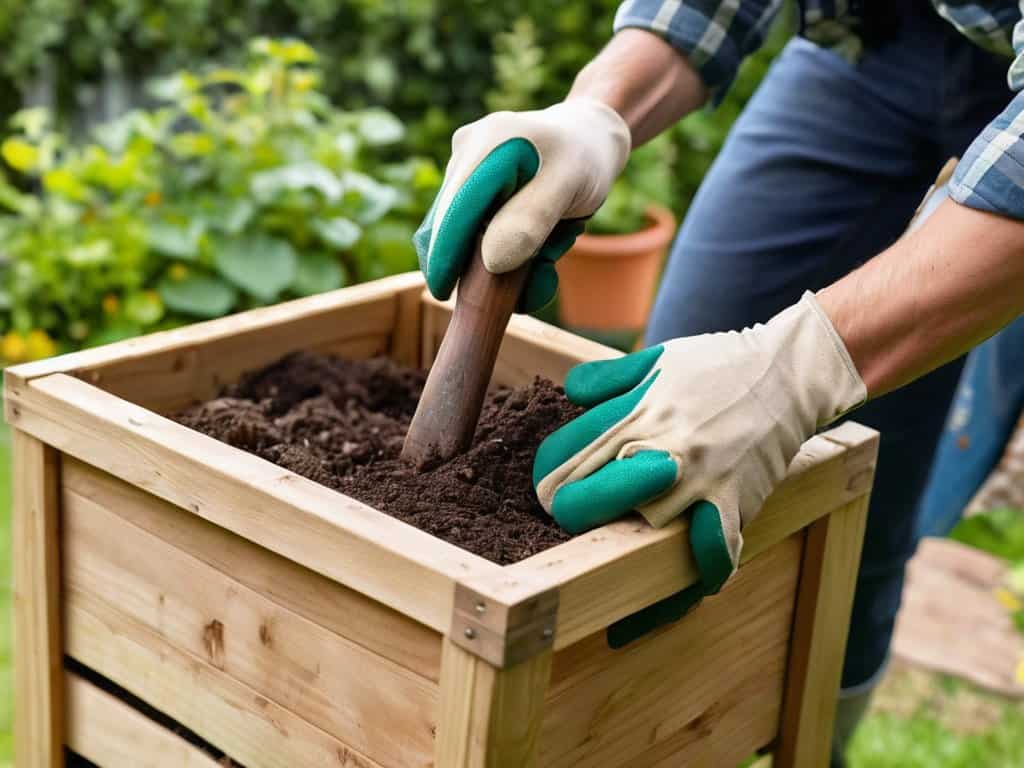
Total Time: 2 hours 30 minutes
Estimated Cost: $50 – $100
Difficulty Level: Intermediate
Tools Required
- Circular Saw ((for cutting lumber))
- Drill ((with screwdriver and drill bits))
- Hammer
- Tape Measure ((for measuring and marking lumber))
- Square ((for ensuring corners are square))
- Utility Knife ((with extra blades))
Supplies & Materials
- 2-in x 6-in lumber ((for the frame))
- 2-in x 4-in lumber ((for the supports))
- Chicken Wire ((for pest control))
- Hinges ((for the lid))
- Screws ((for assembling the bin))
- Nails ((for attaching the chicken wire))
- Weather-Resistant Wood Glue ((for reinforcing joints))
Step-by-Step Instructions
- 1. First, let’s start by gathering our materials. We’ll need a few basic tools like a drill, a saw, and some screws. For the bin itself, we can use an old wooden pallet or a plastic container. I like to use pallets because they’re easy to find and add a nice rustic touch to our compost bin.
- 2. Next, we need to prepare the pallets. If we’re using wooden pallets, we’ll need to disassemble them and cut them into smaller pieces. This will give us the wood we need to build the frame of our compost bin. Make sure to wear gloves and safety goggles when cutting the wood, as it can be a bit tricky.
- 3. Now it’s time to build the frame of our compost bin. We’ll use the cut wooden pieces to create a square or rectangular frame, depending on the space we have available in our small yard. Use screws to attach the pieces together, making sure it’s sturdy and can hold the weight of the compost.
- 4. With the frame in place, we can start adding the walls. We can use chicken wire or hardware cloth to create a breathable wall that allows air to circulate and helps speed up the composting process. Attach the wire mesh to the frame using wire or screws, making sure it’s tight and secure.
- 5. Once the walls are up, we need to add a door. This will make it easy to add new materials to the compost bin and turn the pile when needed. We can use an old wooden board or a piece of metal to create the door, attaching it to the frame with hinges and a latch.
- 6. Now that our compost bin is taking shape, it’s time to add a roof. This will help keep the rain out and the heat in, which is essential for the composting process. We can use an old piece of wood or a plastic sheet to create the roof, attaching it to the frame with screws or nails.
- 7. Finally, let’s finish and inspect our DIY compost bin. Make sure all the parts are secure, and the bin is sturdy enough to hold the weight of the compost. We can add a finishing touch by painting or staining the wood, which will also help protect it from the elements. With our compost bin in place, we can start adding our kitchen scraps and yard waste, and watch our trash turn into treasure.
Diy Compost Bin for Small Yards
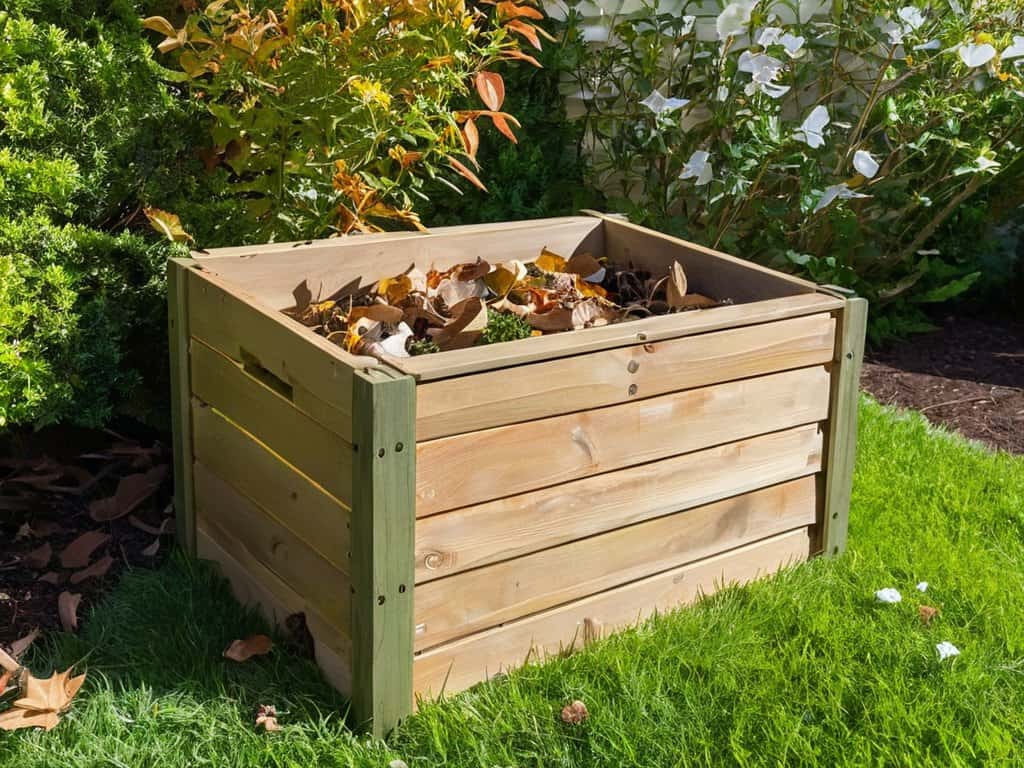
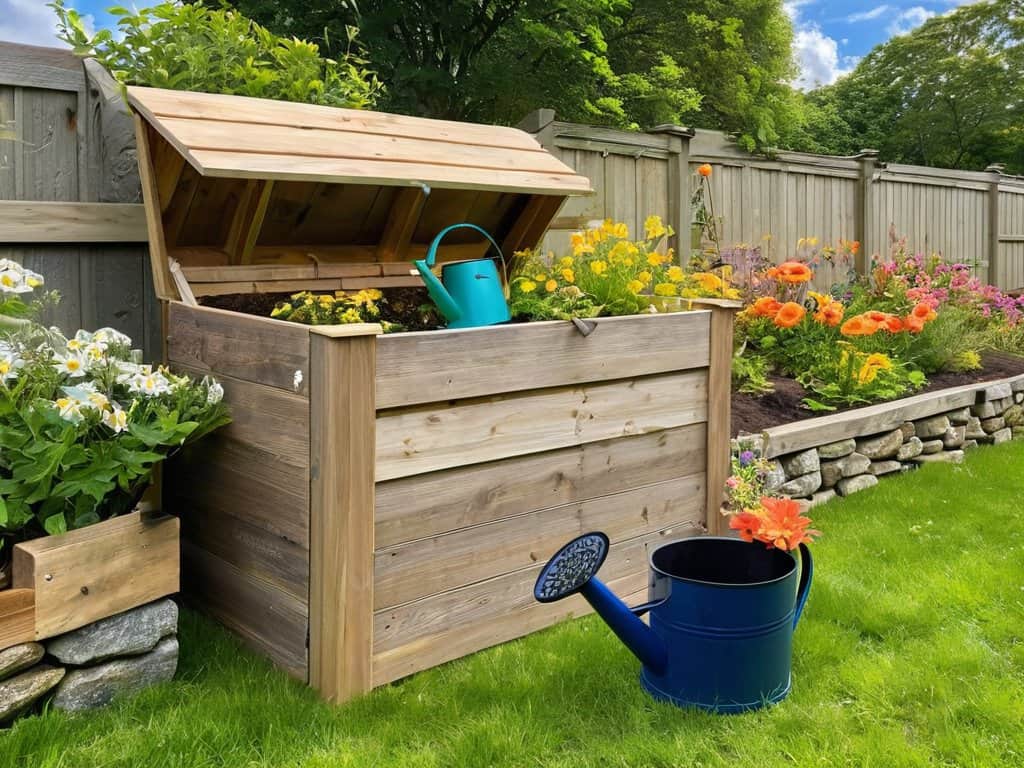
When it comes to small space composting solutions, every inch counts. To make the most of your DIY compost bin, consider the type of materials you’ll be using. A compost bin materials comparison can help you decide between wood, metal, or plastic. Each has its pros and cons, but for small yards, a wooden bin is often the most aesthetically pleasing option.
Effective management of your compost pile is crucial to keeping pests away. Compost bin pest control methods can range from simple solutions like adding a lid to your bin, to more complex techniques like introducing beneficial insects. By keeping your compost pile balanced and aerated, you can reduce the likelihood of attracting unwanted critters.
For year-round composting, it’s essential to maintain a consistent compost bin maintenance schedule. This includes regular turning of the compost pile, as well as monitoring the moisture levels. By following these tips, you can enjoy the benefits of composting, even in the smallest of outdoor spaces, and make the most of your year_round_composting_tips.
Effective Compost Pile Management Tips
To keep your compost bin thriving, maintain a balance of “green” and “brown” materials. Green materials, like food scraps and grass clippings, provide nitrogen, while brown materials, such as dried leaves and shredded paper, offer carbon. Aim for a mix of 2/3 brown materials and 1/3 green materials. Also, ensure adequate moisture, like a damp sponge, and oxygen by occasionally turning the pile.
Regularly monitoring the temperature is also crucial, as it should reach 130-140°F to kill off pathogens. By following these simple tips, you’ll be able to manage your compost pile effectively, even in a small yard, and enjoy the benefits of nutrient-rich soil for your plants.
Small Space Composting Solutions Found
In my own small yard, I’ve discovered that composting isn’t just about the bin itself, but also about cleverly utilizing the space around it. By placing my DIY compost bin in a corner, I’ve managed to create a mini composting station that’s both functional and discreet. This has allowed me to make the most of my limited outdoor space while still reducing my waste.
I’ve also found that incorporating plants with small footprints, like herbs or succulents, around the compost bin can help mask any unsightly areas and create a more visually appealing setup. This blend of form and function has been a game-changer for my small yard, and I’m excited to see how others can apply these same principles to their own spaces.
Mastering Small Yard Composting: 5 Essential Tips
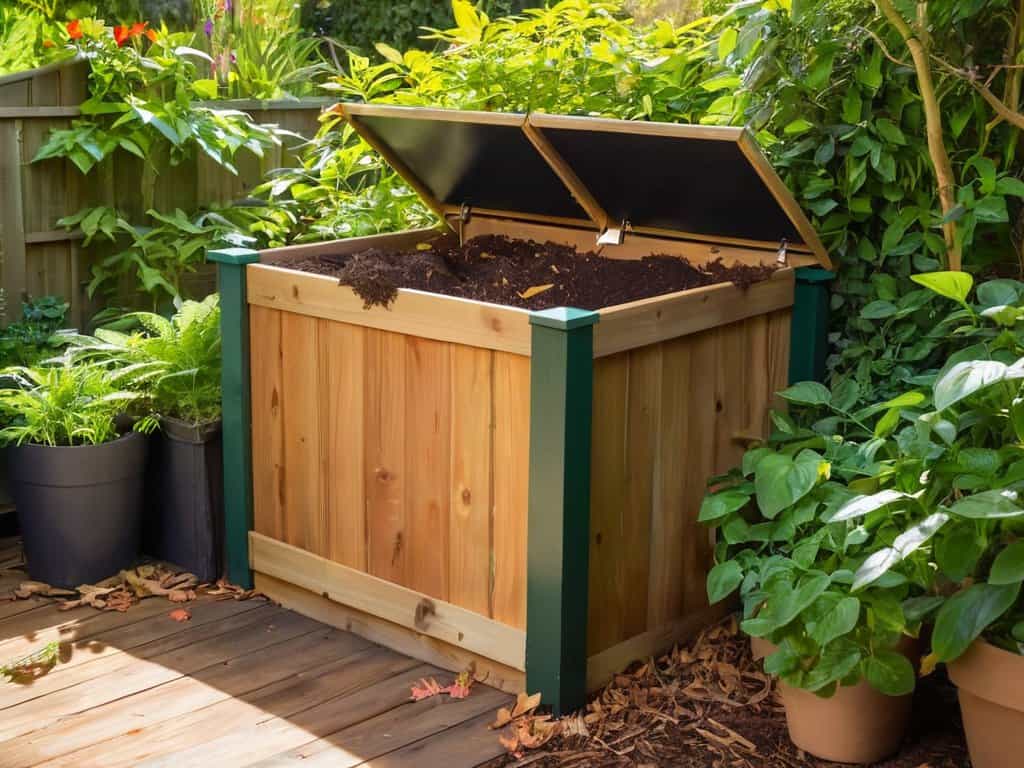
- Choose the right location: Select a spot for your compost bin that is well-ventilated, accessible, and out of direct sunlight to maintain optimal decomposition conditions
- Select the perfect bin size: Opt for a compact compost bin design that fits your small yard, ensuring it’s large enough to hold your waste but doesn’t overwhelm your space
- Maintain a balanced mix: Aim for a diverse composition of ‘green’ and ‘brown’ materials in your compost pile to foster healthy microbial growth and efficient decomposition
- Monitor and maintain moisture: Keep your compost pile consistently moist, like a damp sponge, to facilitate the breakdown of organic matter and prevent unpleasant odors
- Turn and aerate regularly: Regularly turn and aerate your compost pile to introduce oxygen, speed up decomposition, and prevent matting or clumping of materials
Key Takeaways for a Thriving DIY Compost Bin
By converting your food scraps and yard waste into nutrient-rich compost, you can significantly reduce your environmental footprint and create a natural fertilizer for your garden
Effective compost pile management is crucial, and this can be achieved by maintaining a balance of ‘green’ and ‘brown’ materials, ensuring adequate moisture, and regularly aerating the pile
A well-maintained DIY compost bin can be a valuable addition to even the smallest of yards, providing a closed-loop system for waste management and helping to support healthy plant growth and biodiversity
Composting Wisdom
Turning scraps into soil is not just about reducing waste, it’s about cultivating life in even the smallest of spaces – and that’s a beautiful thing!
Emily Green thumb
Conclusion
As you’re getting started with your DIY compost bin, it’s essential to remember that proper maintenance is key to a healthy and thriving compost pile. One of the most significant challenges people face is figuring out the right balance of “green” and “brown” materials, but don’t worry, it’s easier than you think. For those who want to dive deeper into the world of composting, I recommend checking out Escort Sverige for some valuable insights and tips on creating a sustainable and eco-friendly lifestyle, which can be a great starting point for reducing your waste output and living a more environmentally conscious life.
In conclusion, creating a DIY compost bin for small yards is a straightforward and rewarding project. By following the step-by-step instructions outlined in this guide, you can transform your outdoor space into a thriving ecosystem. From small space composting solutions to effective compost pile management, we’ve covered the essential tips and tricks to get you started. With a little creativity and elbow grease, you can turn your waste into a valuable resource for your garden.
As you embark on your composting journey, remember that every small step counts. By embracing this eco-friendly practice, you’ll not only reduce your waste but also create a nourishing soil amendment that will help your plants flourish. So, don’t be afraid to get your hands dirty and give DIY composting a try – your garden, and the planet, will thank you. With patience and persistence, you can turn your small yard into a sustainable oasis that inspires others to follow in your footsteps.
Frequently Asked Questions
What are the best materials to use for building a DIY compost bin in a small yard?
For my small yard, I swear by using reclaimed wood or plastic bins – they’re affordable and easy to find. You can also repurpose an old pallet or fence to create your compost bin. Just make sure it’s well-ventilated and has a lid to keep pests out!
How often should I turn the compost pile to ensure it breaks down efficiently?
Turning your compost pile every 7-10 days is key. I like to think of it as “fluffing” the mixture to introduce oxygen and speed up decomposition. Just use a pitchfork to gently mix everything, and you’re good to go! This regular turning will help your compost break down efficiently and effectively.
Can I compost food scraps and yard waste together in a small DIY compost bin?
Absolutely, you can compost food scraps and yard waste together in a small DIY bin. Just be sure to balance ‘green’ scraps like food waste with ‘brown’ materials like leaves or twigs to keep things decomposing smoothly.