As I sit in my favorite Brooklyn cafe, surrounded by the hustle and bustle of city life, I often find myself pondering the concept of green supply chains. It’s a term that’s been thrown around a lot lately, but what does it really mean? I’ve seen companies tout their “eco-friendly” practices, only to discover that they’re just greenwashing their image. It’s frustrating to see businesses prioritize profits over the planet, and it’s even more frustrating when they try to convince us that they’re doing otherwise.
In this article, I promise to cut through the hype and provide you with a no-nonsense look at what green supply chains can really do for our planet. I’ll share my own experiences and insights, gained from years of exploring the intersection of culture and sustainability. My goal is to provide you with practical advice and actionable tips on how to make a positive impact, whether you’re a business owner or simply a concerned citizen. So, let’s dive in and explore the world of green supply chains together, shall we?
Table of Contents
- Synchronizing Green Supply Chains
- Pioneering Sustainable Logistics
- Carbon Offsetting Strategies for Ecofriendly Warehousing
- Fueling the Future With Alternative Vehicles
- Weaving Sustainability into the Fabric of Commerce: 5 Key Tips for Green Supply Chains
- Key Takeaways: Harmonizing Sustainability and Supply Chains
- Weaving Sustainability into the Fabric of Commerce
- Weaving a Sustainable Future
- Frequently Asked Questions
Synchronizing Green Supply Chains

As I sit in my favorite Brooklyn cafe, sipping on a cup of coffee and sketching the vibrant street scene, I ponder the intricacies of sustainable supply chain management. It’s fascinating to consider how the products that fill our city’s shelves and homes can be brought to us in a way that not only reduces environmental impact but also promotes eco-friendly practices. I glance at my vintage pocket watch, reminding myself to stay grounded in the present while appreciating the past.
The key to successful synchronization lies in adopting renewable energy in transportation, which can significantly reduce carbon emissions. By incorporating alternative fuel vehicles for logistics, companies can make a substantial impact on their environmental footprint. As I observe the hustle and bustle of city life, I notice the potential for carbon offsetting strategies to play a crucial role in mitigating the effects of industrial activities.
In the context of urban logistics, ecofriendly warehousing practices can make a significant difference. By implementing green packaging solutions and optimizing storage facilities, businesses can minimize waste and reduce their ecological impact. As I continue to sketch the city’s rhythm, I realize that these small changes can collectively contribute to a more sustainable future, one that aligns with the pulse of our vibrant city.
Harmonies of Green Packaging Solutions
As I sit in my favorite Brooklyn cafe, surrounded by the gentle hum of conversation and the aroma of freshly brewed coffee, I find myself pondering the intricacies of green packaging. It’s fascinating to consider how something as simple as a cardboard box or a plastic wrapper can have a profound impact on our environment.
In my urban sketches, I often try to capture the beauty of minimalism in packaging design, where form and function blend seamlessly together. By embracing sustainable materials and reducing waste, companies can create a more eco-friendly supply chain that not only benefits the planet but also resonates with the values of conscious consumers.
Rhythms of Renewable Energy in Transportation
As I sit in my favorite cafe, sketching the bustling streets of Brooklyn, I ponder the role of renewable energy in transforming our transportation systems. The hum of electric buses and the whir of bicycles remind me that even the smallest changes can add up to make a significant impact.
In the context of green supply chains, sustainable logistics play a crucial role in reducing our carbon footprint. By investing in renewable energy sources and optimizing routes, companies can minimize their environmental impact while maintaining efficient delivery systems.
Pioneering Sustainable Logistics

As I sit in my favorite cafe, sipping a cup of coffee and sketching the bustling streets of Brooklyn, I often ponder the intricacies of sustainable supply chain management. It’s fascinating to see how companies are implementing innovative strategies to reduce their environmental footprint. One such approach is the adoption of carbon offsetting strategies, which enable businesses to compensate for their emissions by investing in projects that reduce greenhouse gas emissions elsewhere.
The use of alternative fuel vehicles for logistics is another significant step towards sustainability. By transitioning from traditional fossil fuels to cleaner alternatives, companies can substantially decrease their carbon emissions. I recall a recent urban sketching session where I captured the essence of an electric truck making a delivery in the city. It was a small moment, but it highlighted the potential for renewable energy in transportation to make a tangible impact on our daily lives.
As I glance at my vintage pocket watch, I’m reminded of the importance of considering both the past and present in our pursuit of sustainability. Ecofriendly warehousing practices are a crucial aspect of this journey, as they enable companies to minimize waste and optimize their storage facilities. By embracing these innovative approaches, businesses can create a more sustainable future, one that harmoniously blends with the rhythms of urban life, much like the gentle strokes of my pencil on paper.
Carbon Offsetting Strategies for Ecofriendly Warehousing
As I sit in this quaint Brooklyn café, surrounded by the gentle hum of conversation and the aroma of freshly brewed coffee, I find myself pondering the intricacies of carbon footprint reduction. It’s fascinating to see how ecofriendly warehousing can play a pivotal role in this endeavor. By implementing strategies that minimize energy consumption and waste, warehouses can significantly decrease their environmental impact. I glance at my vintage pocket watch, reminding myself that every moment counts in our pursuit of sustainability.
In the realm of carbon offsetting, green initiatives are being pioneered to compensate for emissions. This can involve investing in renewable energy projects or reforestation programs, effectively balancing out the carbon ledger. As I sketch the scene before me, I’m reminded that even the smallest details can make a significant difference in our collective journey towards a more sustainable future.
Fueling the Future With Alternative Vehicles
As I sit in my favorite Brooklyn cafe, sipping coffee and sketching the bustling streets, I ponder the role of transportation in green supply chains. The hum of electric vehicles outside serves as a reminder of the sustainable revolution underway. Cities like ours are at the forefront of this change, with many companies opting for eco-friendly transportation methods to reduce their carbon footprint.
In this shift towards sustainability, alternative fuels are playing a crucial role. From biodiesel to hydrogen fuel cells, these innovative solutions are redefining the logistics landscape. As I glance at my vintage pocket watch, I’m reminded that time is of the essence in adopting these green technologies, and companies that do will be the ones shaping the future of supply chains.
Weaving Sustainability into the Fabric of Commerce: 5 Key Tips for Green Supply Chains
- Embrace the Harmony of Intermodal Transportation: By leveraging a combination of rail, sea, and land transportation, companies can significantly reduce their carbon footprint and create a more efficient supply chain
- Conduct a Symphony of Life Cycle Assessments: Regularly evaluating the environmental impact of products from raw material extraction to end-of-life disposal can help identify areas for improvement and inform sustainable decision-making
- Orchestrate Green Packaging Solutions: Implementing biodegradable, recyclable, or reusable packaging materials can minimize waste and reduce the environmental impact of product transportation and storage
- Implement Carbon Offsetting Strategies: Investing in renewable energy projects, reforestation efforts, or other carbon offset initiatives can help balance out the emissions generated by supply chain activities
- Fuel the Future with Data-Driven Decision Making: Leveraging data analytics and IoT technologies to optimize logistics, predict demand, and streamline operations can help reduce energy consumption, lower emissions, and create a more sustainable supply chain
Key Takeaways: Harmonizing Sustainability and Supply Chains
As I reflect on the journey through green supply chains, it’s clear that synchronizing renewable energy sources in transportation is pivotal, not just for reducing carbon footprints but for creating a symphony of sustainability that resonates throughout the entire supply chain.
Effective green packaging solutions are not just about reducing waste but about crafting a narrative of sustainability that consumers can touch and feel, making the abstract concept of environmental responsibility tangible and personal, much like the sketches I create in my urban notebooks.
By pioneering sustainable logistics, embracing carbon offsetting strategies, and fueling the future with alternative vehicles, we’re not just optimizing supply chains for efficiency; we’re composing a melody of sustainability that can be heard loud and clear, reminding us, as my vintage pocket watch does, that time is a precious resource that must be used wisely to protect our planet.
Weaving Sustainability into the Fabric of Commerce
As I sketch the bustling streets of Brooklyn, I’m reminded that green supply chains are not just a moral imperative, but a creative canvas – where the brushstrokes of innovation and the hues of sustainability blend to paint a vibrant picture of a thriving planet, and a thriving business.
Daniel Morgan
Weaving a Sustainable Future
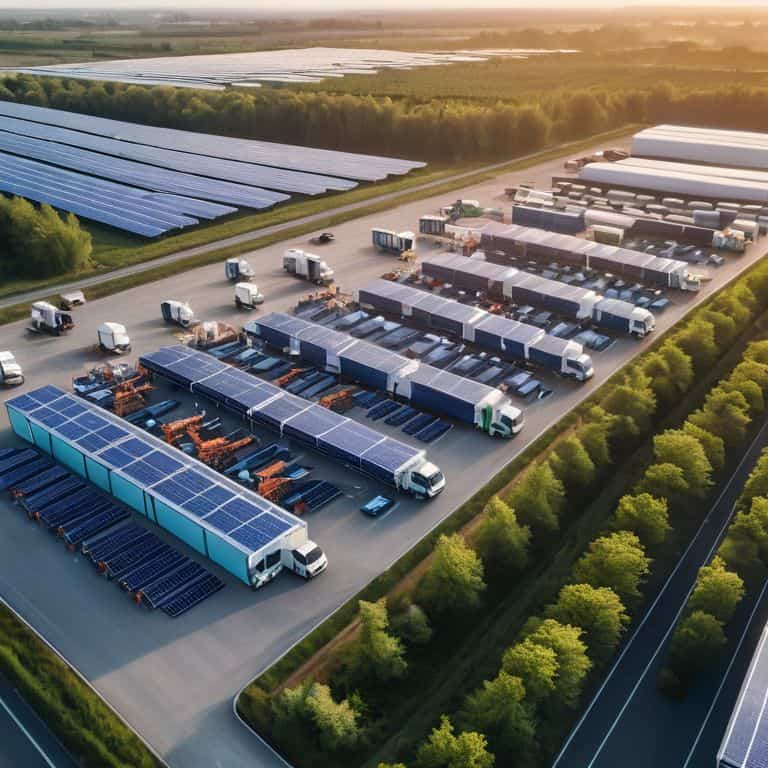
As I reflect on the journey through green supply chains, I’m reminded of the interconnectedness of our choices. From the rhythms of renewable energy in transportation to the harmonies of green packaging solutions, and from carbon offsetting strategies for eco-friendly warehousing to fueling the future with alternative vehicles, it’s clear that a sustainable future is within our grasp. By synchronizing and pioneering sustainable logistics, we can significantly reduce our environmental footprint and create a better world for generations to come.
The time on my vintage pocket watch may be ticking away, but it’s never too late to make a change. As we strive for a more sustainable tomorrow, let’s remember that every small step today can lead to a greener and more resilient future. So, let’s keep sketching the blueprint for a world where commerce and sustainability go hand-in-hand, and where the pulse of progress is measured not just by efficiency, but by the positive impact we have on our planet.
Frequently Asked Questions
How can small businesses adapt green supply chain practices without significantly increasing operational costs?
As I sketch the bustling streets of Brooklyn, I see small businesses thriving by embracing green supply chains. They can start by streamlining routes, using eco-friendly packaging, and investing in renewable energy sources – small steps that can significantly reduce their carbon footprint without breaking the bank, all while keeping pace with the times, I glance at my pocket watch, reminding me that every moment counts.
What role do government policies and regulations play in incentivizing the adoption of green supply chains across various industries?
As I ponder the pulse of progress, glancing at my vintage pocket watch, I realize government policies and regulations are the rhythm section of green supply chains, setting the beat for industries to follow, with incentives like tax breaks and subsidies encouraging the adoption of sustainable practices.
Can the implementation of green supply chains compromise the speed and reliability of deliveries, or are there strategies to maintain efficiency while reducing environmental impact?
As I ponder this question, glancing at my trusty pocket watch, I realize that green supply chains can indeed coexist with speedy and reliable deliveries. By leveraging data analytics, optimizing routes, and investing in electric or hybrid vehicles, companies can maintain efficiency while reducing their carbon footprint, proving that sustainability and swift delivery are not mutually exclusive.