As I sit in a Brooklyn café, surrounded by the eclectic rhythms of the city, I’m reminded that generational diversity is the vibrant tapestry that weaves our stories together. The sounds of lively chatter, the aroma of freshly brewed coffee, and the sight of people from all walks of life converging in this cozy space evoke a sense of community that I believe is often overlooked in discussions about diversity. However, I’ve grown tired of the overly simplistic or clichéd approaches to understanding generational diversity, which often reduce it to mere stereotypes or buzzwords.
In this article, I promise to delve into the nitty-gritty of generational diversity, sharing my own experiences and observations as a cultural critic. I’ll explore the ways in which different age groups intersect and influence one another, and how this complex dance can be both a source of tension and a catalyst for growth. My goal is to provide honest, experience-based advice that acknowledges the nuances and challenges of navigating generational diversity in our daily lives, whether in the workplace, our communities, or our personal relationships. By examining the intricacies of generational diversity through a nuanced and empathetic lens, I hope to inspire a more thoughtful and inclusive conversation about what it means to live and work together across generations.
Table of Contents
Unpacking Generational Diversity

As I ponder the complexities of our modern workplace, I find myself drawn to the age-old adage that wisdom comes with age, but innovation is often driven by youth. This dichotomy highlights the need for effective communication across generations, where individuals from different age groups can share their unique perspectives and experiences. By doing so, we can break down workplace age stereotypes and foster an environment of mutual respect and understanding.
In my observations of managing multigenerational teams, it becomes clear that each age group brings its own set of strengths and weaknesses to the table. For instance, older employees often possess a wealth of knowledge and experience, while their younger counterparts may be more adept at navigating the latest technology and trends. By embracing this age diversity in the workplace, organizations can reap numerous benefits, including improved collaboration, increased innovation, and enhanced problem-solving capabilities.
To truly harness the power of a multigenerational workforce, it’s essential to invest in generational diversity training programs that promote cross-generational understanding and empathy. By providing a platform for open dialogue and knowledge sharing, these programs can help overcome generational differences and create a more cohesive, productive team. As I glance at my vintage pocket watch, I’m reminded that time is a precious resource – and by working together across generations, we can make the most of it.
Beyond Workplace Age Stereotypes
As I sketch the bustling streets of Brooklyn, I notice how age stereotypes melt away in the face of shared human experiences. In the workplace, however, these stereotypes can be pervasive, influencing how we perceive and interact with our colleagues.
Beyond the confines of office politics, I believe that empathy and understanding are essential in breaking down these barriers, allowing us to see beyond the surface level and appreciate the unique perspectives that each generation brings to the table.
Effective Communication Across Ages
As I ponder the nuances of generational diversity, I find myself reflecting on the moments I’ve spent in Brooklyn’s cafes, observing how people from different age groups interact. It’s fascinating to see how a simple conversation can bridge gaps between generations. In these settings, I’ve noticed that effective listening is key to building connections, regardless of age.
When it comes to communication, finding common ground is essential for fostering meaningful relationships across ages. By doing so, we can break down stereotypes and build a stronger, more cohesive community.
Navigating Multigenerational Teams

As I ponder the complexities of managing multigenerational teams, I find myself sketching the vibrant scenes of Brooklyn’s diverse neighborhoods, where age knows no bounds. In the workplace, this translates to a rich tapestry of experiences, where effective communication across generations is key to unlocking innovation. By embracing age diversity in the workplace benefits, organizations can foster an environment where ideas flow freely, unencumbered by workplace age stereotypes.
In my observations, teams that thrive are those that prioritize overcoming generational differences, often through generational diversity training programs. These initiatives help bridge the gap between traditionalists, baby boomers, Gen X, millennials, and Gen Z, promoting a culture of mutual respect and understanding. As I check my vintage pocket watch, I’m reminded that time is a great equalizer, and by learning from one another, we can create a harmonious workplace rhythm.
By navigating the nuances of multigenerational teams, organizations can tap into a wealth of knowledge, from the tried-and-true methods of older generations to the fresh perspectives of their younger counterparts. As I sit in a bustling café, surrounded by the eclectic energy of Brooklyn, I’m struck by the beauty of intergenerational collaboration, where diverse voices come together to create something truly remarkable.
Benefits of Age Diversity Training
As I ponder the essence of effective teamwork, I realize that age diversity training is crucial for fostering a harmonious work environment. By acknowledging and appreciating the unique perspectives of each generation, organizations can tap into a wealth of knowledge and experience. This, in turn, can lead to innovative solutions and a more cohesive team dynamic.
Implementing inclusive practices is vital for reaping the benefits of age diversity training. By doing so, organizations can create a culture that values and respects the contributions of all employees, regardless of their age. This not only boosts morale but also leads to a more productive and efficient workforce, where everyone feels valued and empowered to share their ideas.
Overcoming Generational Differences
As I ponder the complexities of generational diversity, I find myself reflecting on the importance of empathy in bridging the gaps between age groups. It’s about understanding that each generation has its unique experiences and perspectives, shaped by the era in which they grew up. By putting ourselves in others’ shoes, we can begin to break down stereotypes and foster a more inclusive environment.
In my observations, active listening is crucial in overcoming generational differences. When we truly listen to others, without interrupting or judging, we open ourselves up to new ideas and ways of thinking. This, in turn, helps to build trust and respect among team members, regardless of their age or background.
Bridging the Gap: 5 Essential Tips for Embracing Generational Diversity
- Emphasize Empathy and Active Listening: Foster an environment where every voice is heard and valued, regardless of age, to create a rich tapestry of perspectives
- Implement Flexible Work Arrangements: Offer options that cater to different lifestyles and preferences, allowing each generation to thrive in their own way
- Provide Ongoing Education and Training: Invest in programs that help bridge the knowledge gap between generations, ensuring everyone is equipped with the skills to collaborate effectively
- Celebrate Inter generational Mentoring: Pair team members from different age groups to mentor each other, sharing wisdom, experience, and fresh insights
- Conduct Regular Feedback and Dialogue Sessions: Hold open forums where team members can discuss challenges, ideas, and successes, ensuring that every generation feels seen, heard, and valued
Key Takeaways on Generational Diversity
As I reflect on the intricacies of generational diversity, I’m reminded that understanding and embracing the unique perspectives of different age groups is crucial for fostering a harmonious and productive environment, much like the eclectic mix of cultures in my beloved Brooklyn
Effective communication across ages is not just about avoiding stereotypes, but about leveraging the distinct strengths and experiences of each generation to create a rich tapestry of ideas and approaches, a principle I’ve seen in action during my urban sketching sessions at local cafes
By navigating multigenerational teams with empathy and an open mind, we can unlock the full potential of our collective creativity and innovation, ultimately leading to a more vibrant and inclusive community that values the beauty of age diversity, as I’ve come to appreciate through my conversations with people from all walks of life in this great city
Weaving the Fabric of Time
Generational diversity is not just a melting pot of ages, but a kaleidoscope of experiences, where the past, present, and future converge to create a rich tapestry of perspectives, each thread meticulously woven to reveal the intricate beauty of our collective human story.
Daniel Morgan
Embracing the Harmony of Ages
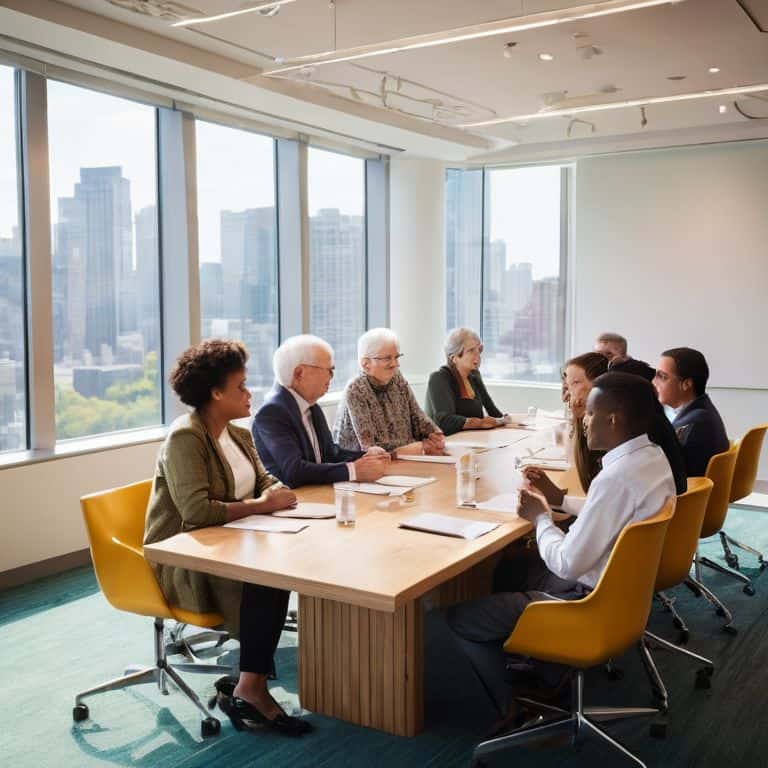
As I reflect on the journey through the realms of generational diversity, I am reminded that the true essence of this concept lies not in the stereotypes or age-related biases, but in the rich tapestry it weaves. From effective communication across ages to the benefits of age diversity training, it’s clear that embracing generational diversity is not just a moral imperative, but a strategic one. By recognizing and valuing the unique perspectives and experiences that each generation brings to the table, we can foster a more inclusive and innovative environment that thrives on the exchange of ideas.
As I close this chapter on generational diversity, I am left with a sense of optimism and hope for a brighter future. It is in the intersection of ages that we find the true power of community and collaboration. So, let us continue to celebrate our differences and strive for a world where generational diversity is not just a concept, but a living, breathing reality that inspires us to grow, to learn, and to thrive together.
Frequently Asked Questions
How can organizations effectively create a culture that values and celebrates generational diversity, beyond just acknowledging its importance?
To truly celebrate generational diversity, organizations must move beyond mere acknowledgement and into meaningful action, fostering an environment where diverse voices are heard and valued, much like the rich tapestry of Brooklyn’s neighborhoods, where I find inspiration for my urban sketches.
What role can mentorship play in bridging the gap between different generations in the workplace, and how can it be implemented successfully?
Mentorship can be a powerful bridge between generations, fostering mutual understanding and knowledge sharing. By pairing individuals from different age groups, organizations can facilitate a cross-pollination of ideas, with younger minds bringing fresh perspectives and older mentors offering valuable experience, as I’ve seen in Brooklyn’s interdisciplinary coworking spaces.
In what ways can understanding and embracing generational diversity impact the overall innovation and creativity of a company, and are there any notable examples of this in practice?
As I ponder this question, glancing at my vintage pocket watch, I realize that embracing generational diversity can spark innovative ideas by merging unique perspectives and experiences, much like the eclectic mix of Brooklyn’s neighborhoods inspires my urban sketches. Companies like IBM and Microsoft have successfully harnessed this diversity to drive creativity and innovation.