
I still remember the smell of freshly brewed coffee and the sound of vibrant chatter in the multicultural community center where I spent most of my childhood. It was there that I witnessed the true power of cultural leadership, where leaders from diverse backgrounds came together to celebrate their differences and find common ground. However, as I delved deeper into the world of cultural anthropology, I began to notice a disconnect between the theory and practice of cultural leadership. It seemed that many organizations were more focused on checking boxes and following trendy protocols rather than genuinely embracing the complexities of cultural diversity.
As someone who has dedicated their life to studying and celebrating the rich tapestry of global traditions, I want to assure you that my approach to cultural leadership is rooted in real-world experience and a deep understanding of the human condition. In this article, I promise to share honest and practical advice on how to foster a culture of inclusivity and empathy, one that goes beyond mere rhetoric and superficial gestures. I will draw from my own experiences, as well as the stories of others, to illustrate the importance of empathy and active listening in bridging cultural gaps and creating a sense of belonging that transcends borders and boundaries.
Table of Contents
Unveiling Cultural Leadership
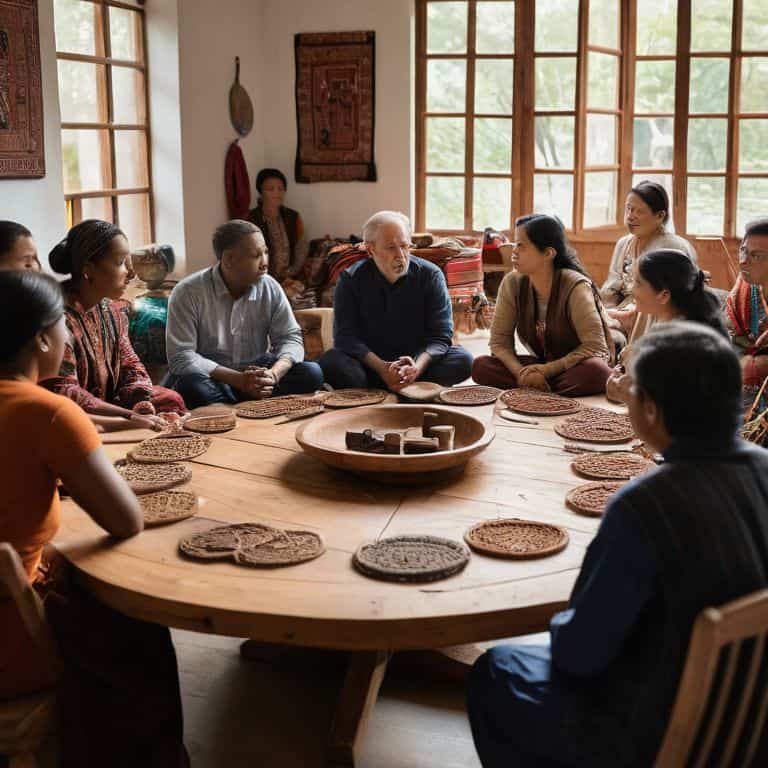
As I reflect on my experiences studying organizational culture development, I’ve come to realize that effective leadership is not just about giving orders, but about understanding the intricate web of traditions and values that shape our behaviors. It’s about recognizing the _hidden patterns_ that influence our interactions and decision-making processes. When leaders take the time to learn about and appreciate these nuances, they can foster a sense of belonging and community that transcends borders and boundaries.
In my work with cross-cultural teams, I’ve seen firsthand the impact of strategic leadership models that prioritize _cultural intelligence_ and empathy. By acknowledging and valuing the diverse backgrounds and perspectives of their team members, leaders can create an environment that encourages open communication, creativity, and collaboration. This, in turn, can lead to more effective _change management strategies_ and a greater sense of cohesion and unity.
As I continue to explore the complexities of cultural leadership, I’m reminded of the importance of diversity and inclusion initiatives in shaping the fabric of our organizations. By weaving together the threads of different traditions and experiences, we can create a rich tapestry that reflects the beauty and diversity of our global community. Through _leading cross-cultural teams_ with sensitivity and awareness, we can unlock the full potential of our organizations and create a brighter, more inclusive future for all.
Cultural Intelligence in Business Strategies
As I reflect on my experiences studying cultural leadership, I’ve come to realize the importance of cultural intelligence in informing business strategies. It’s about being attuned to the nuances of different cultures and adapting approaches to meet the unique needs of each context. By doing so, organizations can foster a sense of trust and understanding among their teams and stakeholders.
In my observations, companies that prioritize empathetic understanding in their business strategies tend to thrive in diverse cultural landscapes. This involves not only recognizing the value of different perspectives but also being willing to listen and learn from them. By embracing this mindset, businesses can develop innovative solutions that resonate with a broader range of audiences.
Leading Cross Cultural Teams With Empathy
As I reflect on my experiences working with diverse groups, I’ve come to realize that empathy is the cornerstone of effective cross-cultural team leadership. It’s about being able to understand and appreciate the unique perspectives and experiences that each team member brings to the table. By doing so, leaders can foster an environment of trust and open communication, where everyone feels valued and heard.
In my observations, leaders who practice active listening are better equipped to navigate the complexities of cross-cultural teams. They’re able to pick up on subtle cues and nuances that might otherwise go unnoticed, allowing them to address potential conflicts before they escalate. This, in turn, creates a sense of safety and belonging among team members, which is essential for unlocking their full potential and driving collective success.
Nurturing Organizational Culture

As I reflect on my experiences with diversity and inclusion initiatives, I’m reminded of the importance of organizational culture development in fostering a sense of community within a company. It’s the subtle threads that weave together to create a rich tapestry of traditions, values, and beliefs that define a workplace. I’ve seen it time and time again – when leaders prioritize the growth of their organization’s culture, it has a profound impact on the well-being and productivity of their teams.
In my work as a cultural anthropologist, I’ve had the privilege of exploring various strategic leadership models that prioritize cultural intelligence in business. One approach that stands out is the emphasis on change management strategies that encourage open communication, empathy, and adaptability. By acknowledging the complexities of leading cross-cultural teams, organizations can create an environment that values and celebrates differences, rather than trying to suppress them.
As I wander through the vibrant markets and bustling streets of foreign cities, my vintage film camera in hand, I’m constantly reminded of the beauty of cultural exchange. In the context of organizational culture, this exchange can be facilitated through initiatives that promote cultural intelligence in business, such as workshops, training programs, and community engagement activities. By investing in the growth and development of their teams, organizations can cultivate a culture that is resilient, innovative, and truly reflective of the diverse world we live in.
Change Management Through Strategic Models
As I reflect on my experiences with cross-cultural teams, I’ve come to realize that effective change management is crucial for fostering a sense of unity and cooperation. It’s about being adaptable and responsive to the diverse needs of team members, while also driving the organization forward.
I’ve found that implementing strategic models can be a powerful way to navigate change, as they provide a framework for understanding and addressing the complexities of cultural differences within an organization.
Weaving Diversity Into Inclusion Initiatives
As I reflect on my journeys, I’ve noticed that organizations with strong cultural leadership often prioritize diversity and inclusion as a cornerstone of their values. This approach not only fosters a sense of belonging among employees but also encourages the exchange of unique perspectives, leading to innovative solutions.
By embracing cultural differences, organizations can create a rich tapestry of traditions, where every thread contributes to the overall narrative. This, in turn, allows for a more nuanced understanding of the communities they serve, ultimately driving business success and social impact.
Embracing the Rhythm of Cultural Leadership: 5 Tips to Harmonize Your Organization
- I’ve found that when leaders take the time to understand the cultural nuances of their team members, it’s like tuning a traditional instrument – it requires patience, but the melody of collaboration is breathtaking
- By fostering an environment where diverse perspectives are not just tolerated, but celebrated, organizations can create a symphony of innovation, where every voice adds depth and richness to the overall composition
- In my travels, I’ve seen how cultural intelligence can be the missing piece in a business strategy, allowing companies to navigate complex global markets with the sensitivity of a skilled diplomat, and the creativity of a master storyteller
- Effective cultural leaders know how to weave diversity into the fabric of their organization, creating a tapestry that is both resilient and beautiful, where every thread contributes to the overall narrative of inclusion and belonging
- Through my lens, I’ve captured the stories of organizations that have successfully navigated change by embracing cultural leadership models, and I’ve learned that it’s not just about the strategy, but about the people, and the stories they tell, that make a true difference in the world
Embracing Cultural Leadership: Key Takeaways
I’ve learned that effective cultural leadership is not just about understanding diverse backgrounds, but about creating a sense of belonging that transcends borders and boundaries, much like the intricate patterns found in traditional textiles from around the world
By embracing cultural intelligence and empathy, leaders can unlock the full potential of their cross-cultural teams, leading to innovative solutions and a deeper understanding of the global marketplace, much like the rich sounds of a perfectly tuned sitar
As I reflect on my journeys, both physical and cultural, I’m reminded that nurturing organizational culture is an ongoing process, one that requires continuous learning, strategic planning, and a willingness to adapt, much like the ever-changing rhythms of a jazz improvisation
Embracing the Harmony of Cultures
Cultural leadership is not about merely recognizing our differences, but about harmonizing them into a symphony of understanding and collaboration, where every voice, no matter how diverse, is not only heard but celebrated.
Eleanor Duval
Embracing the Tapestry of Cultures

As I reflect on my journey through the realms of cultural leadership, I am reminded of the profound impact that empathetic leaders can have on their teams. From leading cross-cultural teams with empathy to incorporating cultural intelligence into business strategies, and from weaving diversity into inclusion initiatives to implementing strategic models for change management, it’s clear that cultural leadership is not just a concept, but a lived experience. By embracing our differences and celebrating the unique traditions that make us who we are, we can create a more inclusive and vibrant organizational culture.
As we move forward in this ever-changing world, I am inspired by the resilience and creativity of cultures from around the globe. Let us continue to bridge cultural gaps and illuminate the beauty of our shared human experience, for it is in these moments of connection that we discover our true strength and the boundless potential that lies within us. With my vintage film camera in hand, I will keep capturing the essence of these traditions, and I invite you to join me on this journey, as we uncover the hidden patterns of cultural leadership and weave a tapestry of traditions that will inspire generations to come.
Frequently Asked Questions
How can leaders effectively balance the needs of diverse cultural groups within their organization?
To balance the needs of diverse cultural groups, I’ve found that leaders must listen with empathy and adapt with humility, recognizing that each culture brings unique strengths to the table. By fostering open dialogue and inclusive decision-making processes, leaders can weave a rich tapestry of traditions, creating a sense of belonging that celebrates our differences.
What role does cultural intelligence play in informing business strategies and decision-making processes?
As I reflect on my journeys, I’ve seen cultural intelligence weave its way into business strategies, informing decisions that respect local customs and traditions, and fostering a deeper understanding of the global marketplace, ultimately leading to more effective and sustainable outcomes.
How can cultural leadership be measured and evaluated to ensure its impact on organizational success?
To measure cultural leadership, I look for tangible outcomes like increased collaboration and employee engagement, as well as intangible signs of a thriving culture, such as storytelling and tradition-sharing among team members.