
As I traveled to rural villages and met with local entrepreneurs, I couldn’t help but notice the sustainable business practices that were woven into the fabric of their daily lives. It wasn’t about grand, expensive initiatives, but rather small, intentional choices that made a significant impact. I saw how embracing eco-friendly methods didn’t just help the planet, but also brought a sense of community and purpose to the people involved. This experience left me frustrated with the common myth that sustainable business practices have to be costly and complicated.
In this article, I promise to share honest and experience-based advice on implementing sustainable business practices that actually work. I’ll draw from my own experiences, like the time I visited a small village in Africa where local artisans were using traditional techniques to create eco-friendly products. My goal is to provide you with practical and inspiring examples of how to make a positive impact on the environment while also benefiting your business. I’ll cut through the hype and share real stories of how sustainable business practices can be a key to success, not just a marketing gimmick.
Table of Contents
- Sustainable Business Practices
- Cultivating Tomorrows Businesses
- Corporate Social Responsibility Initiatives Thrive
- Ecofriendly Packaging for Sustainable Business Models
- Embracing the Future: 5 Key Tips for Sustainable Business Practices
- Embracing a Sustainable Future: Key Takeaways
- Weaving a Sustainable Future
- Weaving a Sustainable Future
- Frequently Asked Questions
Sustainable Business Practices

As I delved into the world of eco-friendly entrepreneurship, I discovered the significance of renewable energy solutions for businesses. In a small village, I met a local artisan who had switched to solar power, not only reducing her carbon footprint but also saving on energy costs. This simple yet effective change allowed her to invest in her community, creating jobs and stimulating local economic growth. Her story underscored the potential for green supply chain management to have a positive impact on both the environment and the bottom line.
In my travels, I’ve seen how corporate social responsibility initiatives can be a powerful catalyst for change. A small enterprise in a rural town had implemented an innovative recycling program, which not only reduced waste but also provided a new source of income for local residents. This approach to environmental impact assessment tools helped the company identify areas for improvement and make data-driven decisions to minimize its ecological footprint.
Through these experiences, I’ve come to appreciate the importance of ecofriendly packaging alternatives in reducing waste and promoting sustainability. A small business owner I met had switched to biodegradable packaging, which not only appealed to her customers’ values but also helped to reduce her company’s environmental impact. By embracing sustainable business models for small enterprises, she was able to stay competitive while contributing to a more environmentally conscious community.
Green Supply Chain Management Strategies
As I delved into the world of sustainable business practices, I discovered the importance of green logistics in reducing carbon footprints. Implementing eco-friendly transportation methods and optimizing routes can significantly decrease emissions, creating a positive impact on the environment. This, in turn, can lead to cost savings and improved brand reputation.
By adopting sustainable sourcing methods, companies can ensure that their supply chains are not only environmentally friendly but also socially responsible. This involves working closely with local suppliers, promoting fair trade practices, and reducing waste throughout the production process.
Renewable Energy for Ecofriendly Ventures
As I delved into the world of eco-friendly ventures, I discovered the significance of renewable energy sources in reducing carbon footprints. From solar panels to wind turbines, these innovative solutions are not only sustainable but also cost-effective in the long run. I recall visiting a rural village where locals had installed solar panels to power their homes and businesses, transforming their community into a thriving hub of eco-friendly entrepreneurship.
The use of sustainable materials in constructing renewable energy systems is also crucial. I’ve seen entrepreneurs incorporate recycled materials into their designs, minimizing waste and promoting a circular economy. This approach not only benefits the environment but also fosters a sense of community and social responsibility among business owners and consumers alike.
Cultivating Tomorrows Businesses

As I reflect on my journeys to remote villages and bustling cities, I’ve witnessed the profound impact of renewable energy solutions for businesses on local communities. These innovative approaches not only reduce the environmental footprint but also foster a sense of corporate social responsibility, encouraging entrepreneurs to prioritize the well-being of their surroundings. I recall a small enterprise in rural Africa that switched to solar power, not only reducing their carbon emissions but also creating a cleaner, healthier environment for their employees.
In my exploration of green supply chain management, I’ve seen how small changes can add up to make a significant difference. For instance, adopting ecofriendly packaging alternatives can drastically reduce waste and minimize the environmental impact of a business. It’s heartening to see companies taking the initiative to assess their ecological footprint using environmental impact assessment tools, and then implementing changes to mitigate their effects.
As we look to the future, it’s essential to develop sustainable business models for small enterprises that prioritize both profitability and environmental stewardship. By doing so, we can empower the next generation of entrepreneurs to create a better world, one that balances economic growth with social and environmental responsibility.
Corporate Social Responsibility Initiatives Thrive
As I reflect on my journeys to communities embracing eco-friendly practices, I’ve noticed that corporate social responsibility is no longer just a buzzword, but a beacon of hope for a better future. It’s the thread that weaves together the tapestry of sustainable business practices, fostering a sense of unity and purpose among stakeholders.
In the heart of these initiatives, community engagement plays a vital role, allowing businesses to not only give back but also to learn from the people they serve, creating a beautiful symbiosis that benefits everyone involved.
Ecofriendly Packaging for Sustainable Business Models
As I delved into the world of sustainable business practices, I was struck by the innovative approaches to eco-friendly packaging. Companies are now opting for biodegradable materials, reducing waste, and minimizing environmental impact. This shift not only benefits the planet but also resonates with consumers who prioritize sustainability.
In my travels, I’ve seen businesses thrive by adopting sustainable materials in their packaging. From bamboo to recycled paper, the options are vast and creative. By making this simple yet impactful change, companies can significantly reduce their carbon footprint and appeal to the growing demographic of eco-conscious consumers.
Embracing the Future: 5 Key Tips for Sustainable Business Practices
- As I reflect on my journeys to rural villages and met with local entrepreneurs, I realized that implementing renewable energy sources is crucial for eco-friendly ventures, and it’s essential to explore options like solar and wind power to reduce carbon footprint
- Incorporating green supply chain management strategies can significantly reduce waste and emissions, and I’ve seen firsthand how companies can benefit from adopting circular economy principles and collaborating with suppliers who share their commitment to sustainability
- Corporate social responsibility initiatives can thrive when businesses prioritize giving back to their communities, and I’ve witnessed the positive impact of companies that invest in environmental conservation and support local social projects
- Eco-friendly packaging is no longer a niche concept, but a necessary step towards sustainable business models, and companies should explore biodegradable materials and minimalistic designs to reduce their environmental footprint
- Perhaps most importantly, embracing sustainable business practices requires a fundamental shift in mindset, and entrepreneurs should be willing to experiment, take calculated risks, and continuously educate themselves on the latest eco-friendly technologies and methodologies to stay ahead of the curve
Embracing a Sustainable Future: Key Takeaways
As I reflect on my journeys to rural villages and encounters with innovative entrepreneurs, I’ve come to realize that sustainable business practices are not just a moral imperative, but a catalyst for community building and economic growth
By adopting renewable energy sources and implementing green supply chain management strategies, businesses can significantly reduce their environmental footprint while fostering a culture of social responsibility
Ultimately, the tapestry of tomorrow’s businesses will be woven from the threads of eco-friendly entrepreneurship, corporate social responsibility, and sustainable practices, inspiring a new generation of leaders to prioritize the well-being of both people and the planet
Weaving a Sustainable Future
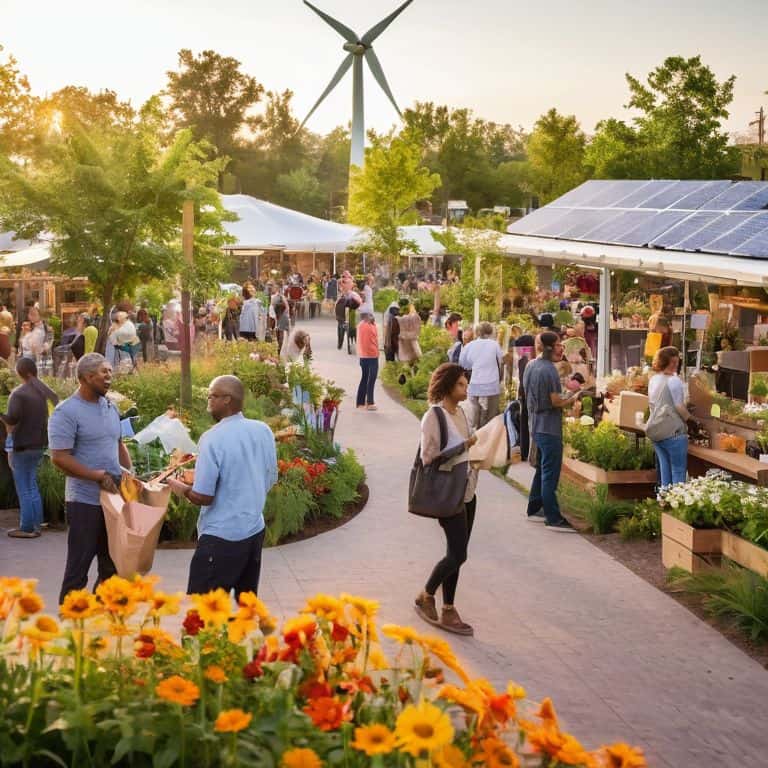
As I’ve witnessed in my journeys, sustainable business practices are not merely a moral imperative, but a profound catalyst for innovation, community building, and economic resilience – they are the threads that weave a tapestry of tomorrow, where profit and planet are intertwined in a beautiful dance of mutual prosperity.
Eleanor Duval
Weaving a Sustainable Future
As I reflect on the journey of embracing sustainable business practices, I am reminded of the profound impact it has on not just the environment, but also on the fabric of our communities. From renewable energy solutions to green supply chain management, and from corporate social responsibility initiatives to eco-friendly packaging, each step we take towards sustainability is a testament to our capacity for innovation and compassion. The stories of entrepreneurs and communities coming together to forge a more sustainable future are a powerful reminder of the human spirit’s ability to adapt, to innovate, and to thrive.
As we look to the future, let us hold on to the beauty of tradition while embracing the boldness of innovation. Let us recognize that sustainable business practices are not just a moral imperative, but a catalyst for growth, a bridge between cultures, and a celebration of our shared human experience. In the end, it is not just about the practices we adopt, but about the world we want to create: a world where tradition and innovation, people and planet, thrive together in perfect harmony.
Frequently Asked Questions
How can small businesses balance the initial high costs of implementing sustainable practices with the long-term benefits for the environment?
As I’ve seen in my travels, small businesses can balance initial costs by prioritizing incremental changes, such as switching to energy-efficient lighting or sourcing local materials, and seeking community support or government incentives to offset expenses, ultimately reaping long-term environmental and financial rewards.
What role do governments and policymakers play in encouraging and regulating sustainable business practices?
As I’ve witnessed in my travels, governments and policymakers play a pivotal role in fostering sustainable business practices, providing incentives for eco-friendly ventures and enforcing regulations that promote green innovation, ultimately weaving a supportive framework for businesses to thrive while protecting our planet.
Can sustainable business practices be a key differentiator for companies, helping them to attract environmentally conscious consumers and gain a competitive edge in the market?
As I’ve witnessed in my travels, embracing sustainable practices can indeed be a powerful differentiator, resonating deeply with eco-conscious consumers and setting companies apart in a crowded market, much like the distinctive sounds of a traditional Japanese shamisen or an Indian sitar evoke a sense of cultural heritage.