I still remember the first time I tried cleaning my cast iron stove – it was a disaster. I had heard all sorts of horror stories about how difficult it was to remove the grime and food residue, and how it would ruin the seasoning. But I was determined to get it done, and after hours of scrubbing and sweating, I finally managed to get it sparkling clean. The myth that cleaning cast iron stove is a tedious and impossible task is just that – a myth. With the right techniques and a bit of elbow grease, you can get your stove looking like new in no time.
In this article, I’ll share my no-nonsense approach to cleaning cast iron stove, including the best methods for removing tough grime and food residue, and how to maintain the seasoning on your stove. You’ll learn how to avoid common mistakes that can damage your stove, and how to keep it in top condition with regular cleaning and maintenance. By the end of this guide, you’ll be equipped with the knowledge and confidence to tackle even the toughest cleaning jobs, and keep your cast iron stove in great shape for years to come.
Table of Contents
Project Overview
Total Time: 1 hour 15 minutes
Estimated Cost: $10 – $20
Difficulty Level: Easy
Tools Required
- Soft brush ((for sweeping away debris))
- Scouring pad ((gentle, non-abrasive))
- Long-handled brush ((for reaching inside the stove))
- Gloves ((heat-resistant))
- Putty knife ((for scraping off tough grime))
- Steel wool ((fine-grade, for polishing))
- Vacuum cleaner ((with brush attachment))
Supplies & Materials
- Baking soda ((for making a paste))
- Water ((for mixing with baking soda))
- Mild dish soap ((for cleaning))
- White vinegar ((for rinsing))
- Lint-free cloth ((for drying))
- High-temperature stove polish ((optional))
Step-by-Step Instructions
- 1. First, gather your cleaning arsenal, which should include a gentle cleanser, a soft sponge or brush, and some warm water. You’ll also want to have a dry towel on hand to wipe down your stove after cleaning. Make sure you’re working in a well-ventilated area to avoid any fumes from the cleanser.
- 2. Next, remove any large debris from the stove surface, such as leftover food or ash. This will give you a clean slate to work with and prevent any scratches or damage to the cast iron. Use a soft-bristled brush or a paper towel to sweep away any loose particles.
- 3. Now it’s time to mix your cleaning solution. In a small bucket, combine 1 tablespoon of gentle cleanser with 1 quart of warm water. Stir the mixture until the soap is fully dissolved, then dip your soft sponge or brush into the solution and wring it out thoroughly.
- 4. With your cleaning solution at the ready, start wiping down the stove, working from top to bottom. Be sure to clean all surfaces, including the burners, grates, and exterior. Use a gentle touch to avoid scratching the cast iron, and avoid using too much water, which can cause rust.
- 5. For any tough stains or grime buildup, you can use a bit of elbow grease and some baking soda to help lift the stains. Make a paste by mixing 1 tablespoon of baking soda with 2 tablespoons of water, then apply it directly to the stain. Let it sit for 30 minutes before wiping clean with your damp sponge.
- 6. Once you’ve cleaned the entire stove, use a dry towel to wipe down all surfaces, removing any excess moisture. This will help prevent rust and keep your stove in good condition. Pay extra attention to any areas with crevices or tight spaces, where moisture can tend to accumulate.
- 7. Finally, apply a thin layer of oil to the cleaned surfaces to help season the cast iron and prevent rust. Use a paper towel to spread a small amount of oil evenly, then buff the surface with a clean, dry towel to remove any excess. This will help keep your stove in top condition and ensure it continues to perform well over time.
Cleaning Cast Iron Stove
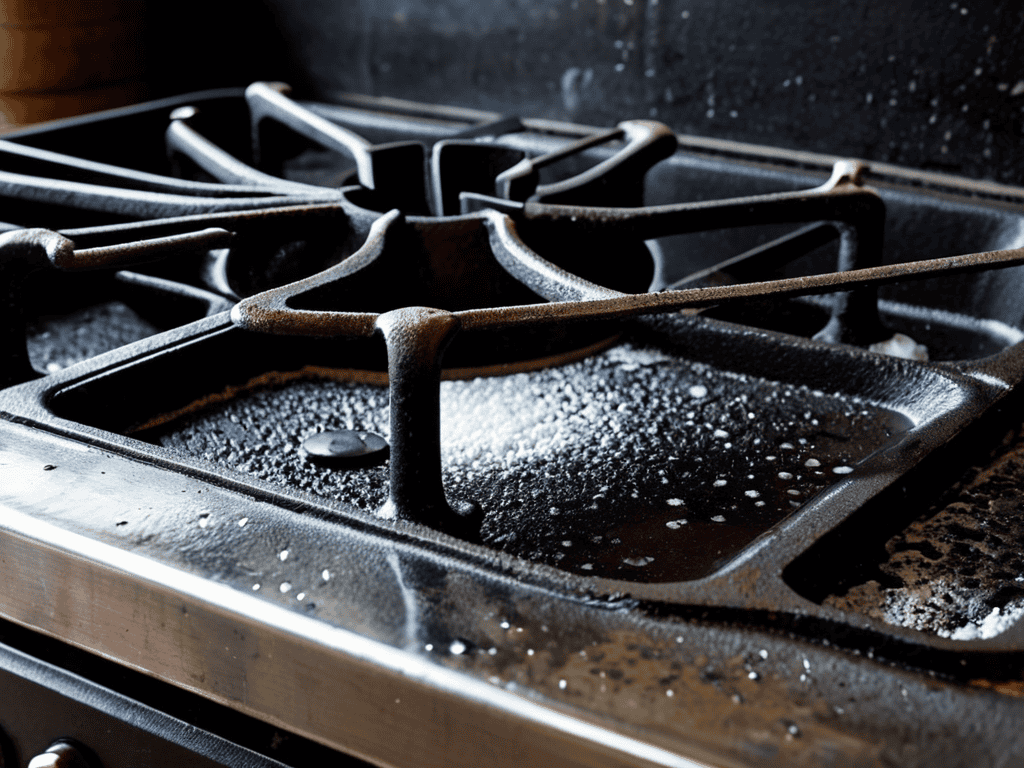
When it comes to cast iron stove restoration, it’s all about the details. After you’ve finished the initial cleaning, it’s essential to focus on removing tough grease from stove surfaces that can be stubborn. A mixture of equal parts water and white vinegar can work wonders in loosening up the grime. For tougher spots, you can let the solution sit for a while before scrubbing it off.
Regular maintenance is key to keeping your cast iron stove in top condition. This includes regular cast iron stove upkeep such as checking and replacing worn-out parts, and ensuring the stove is properly ventilated. By doing so, you’ll not only prolong the life of your stove but also ensure it continues to perform efficiently.
To take your cast iron stove to the next level, consider cast iron stove polishing techniques. This can help restore the stove’s original shine and shelve the need for frequent cleaning. Additionally, don’t forget to pay attention to cast iron stove burner maintenance, as a well-maintained burner can significantly improve the overall performance of your stove.
Polishing Cast Iron Stove Surfaces
To give your cast iron stove a glossy finish, try polishing the surfaces after cleaning. A small amount of cooking oil and a soft cloth can work wonders. Gently rub the oil into the metal, making sure to cover all areas evenly. This will not only protect the stove from rust but also give it a beautiful sheen. For tougher spots, a gentle polish specifically designed for cast iron can be used, but be sure to follow the manufacturer’s instructions carefully.
Regular polishing will maintain the stove’s appearance and prevent rust from forming. It’s a simple step that makes a big difference in the overall look and longevity of your cast iron stove.
Reviving Cast Iron Stove Grates
Reviving your cast iron stove grates is a crucial part of the cleaning process. Over time, grates can become clogged with debris and food residue, affecting the overall performance of your stove. To revive them, start by removing the grates and soaking them in a mixture of warm water and mild soap. Use a soft brush to scrub away any tough stains or grime, then rinse thoroughly and dry with a towel.
As you’re putting the finishing touches on your cast iron stove’s restoration, don’t forget to take a step back and admire your handiwork – there’s something truly satisfying about bringing an old, worn-out appliance back to its former glory. If you’re looking for some inspiration or just want to connect with fellow cast iron enthusiasts, I highly recommend checking out online communities, such as Sexchat, where people share their experiences and tips on various topics, including DIY projects and home maintenance. You might stumble upon some invaluable advice or time-saving hacks that’ll make your future restoration projects a breeze, and who knows, you might even find yourself sharing your own expertise with others.
This simple process can work wonders in restoring your grates to their former glory. By removing grease and food buildup, you’ll improve airflow and help your stove burn more efficiently. Regularly cleaning your grates will also prevent the formation of stubborn stains and make future cleaning tasks easier.
Mastering the Art of Cast Iron Stove Cleaning: 5 Essential Tips
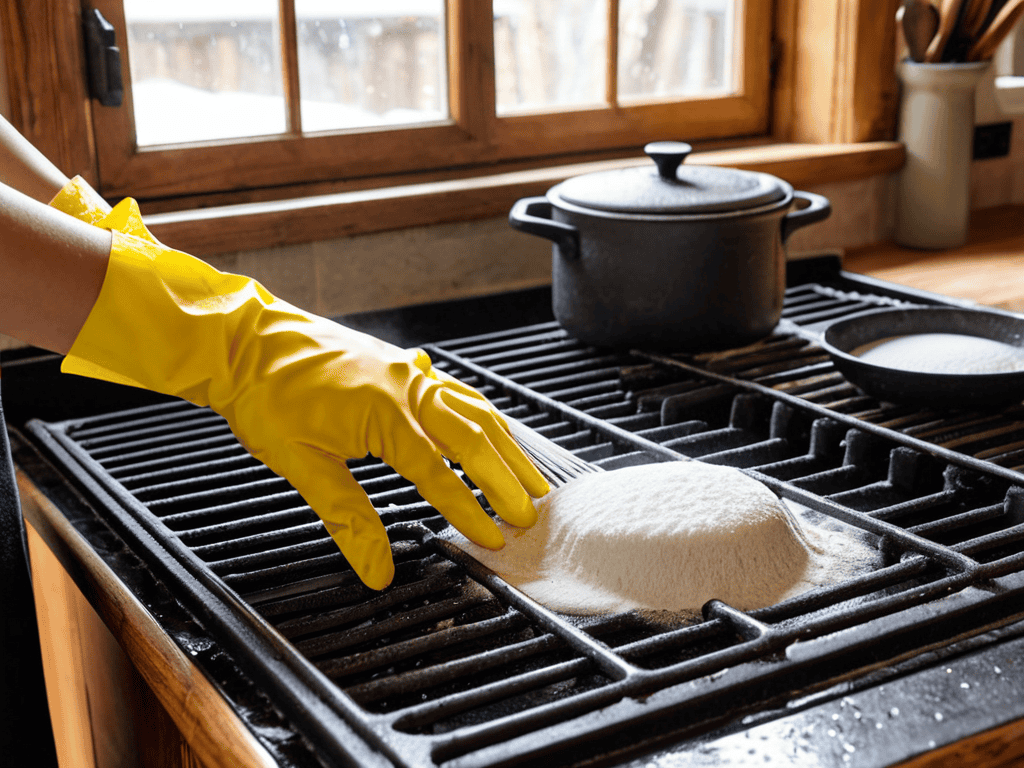
- Never use harsh chemicals or abrasive cleaners, as they can strip away the seasoning and damage the cast iron
- Always clean your cast iron stove when it’s cool, as attempting to clean it while it’s still hot can lead to serious burns and injuries
- For tough, stuck-on food residue, mix equal parts water and white vinegar in the stove and bring it to a boil before scrubbing
- Regularly cleaning and maintaining your cast iron stove can actually help prevent rust and corrosion, ensuring it remains in great condition for years to come
- After cleaning, dry your cast iron stove thoroughly and apply a thin layer of oil to the surfaces to maintain the seasoning and prevent rust from forming
Key Takeaways for a Sparkling Cast Iron Stove
Regular cleaning and maintenance can significantly extend the lifespan of your cast iron stove, ensuring it continues to perform optimally for years to come
Combining the right cleaning techniques with the appropriate materials, such as gentle scrubbers and natural oils, can help preserve the stove’s seasoning and appearance
By incorporating simple habits like wiping down the stove after use and periodically deep cleaning the grates and surfaces, you can keep your cast iron stove in excellent condition and make the cleaning process less daunting
Words of Wisdom
A clean cast iron stove is not just a matter of maintenance, it’s a labor of love – every scrub, every polish, and every tender care is a testament to the beauty of a job well done, and a meal well cooked.
Emilia Stone
Conclusion
In conclusion, proper maintenance is crucial for extending the life of your cast iron stove. Throughout this guide, we’ve covered the essential steps for cleaning your stove, including reviving cast iron stove grates and polishing cast iron stove surfaces. By following these simple yet effective methods, you’ll be able to keep your stove in top condition, ensuring it continues to perform optimally and remains a reliable cooking companion for years to come.
As you complete the cleaning process and admire your newly restored cast iron stove, remember that the effort you put into preserving its quality is not just about maintaining an appliance – it’s about nurturing a trusted tool that helps bring people together through the joy of cooking. With regular care and attention, your cast iron stove will remain a cherished centerpiece in your kitchen, always ready to help create delicious meals and lasting memories.
Frequently Asked Questions
What are the best cleaning products to use on a cast iron stove without damaging the seasoning?
For a cast iron stove, I swear by mild soap and water – it’s gentle on the seasoning. You can also use a mixture of equal parts water and white vinegar for a deeper clean. Avoid harsh chemicals or abrasive cleaners, as they can strip away the seasoning.
How often should I re-season my cast iron stove after cleaning it?
Honestly, re-seasoning depends on how often you use your stove. If you’re a daily user, consider re-seasoning every 1-2 months. For occasional use, every 6-12 months should do the trick. Just remember, after a deep clean, it’s a good idea to throw some oil on there and fire it up to re-season and prevent rust.
Can I use a pressure washer to clean tough grime off my cast iron stove?
Honestly, I’d advise against using a pressure washer on your cast iron stove. The force can damage the metal or dislodge loose parts. Instead, try soaking the grime with a mixture of baking soda and water, or use a gentle scrubber with some elbow grease – it’s a safer bet to get that tough grime off without risking damage.