
I still remember the time I accidentally left a 5% tip at a restaurant, only to realize my mistake when the waiter gave me a subtle nod of disappointment. It was a humbling experience that made me realize the importance of understanding tipping culture. As I delved deeper into the world of gratuities, I discovered that there’s more to it than just throwing a few extra bucks on the table. In fact, having a guide to understanding and respecting tipping culture can make all the difference in showing appreciation for good service without breaking the bank.
In this article, I’ll share my personal insights and practical tips on how to navigate the complex world of tipping. You’ll learn how to decipher the unwritten rules of gratuities, from restaurants to hair salons, and everything in between. I’ll provide you with honest advice on how to tip fairly and respectfully, without feeling guilty or anxious about making a mistake. By the end of this guide, you’ll be equipped with the knowledge and confidence to show your appreciation for good service, and maybe even score a few extra perks along the way.
Table of Contents
Guide Overview: What You'll Need

Total Time: 1 hour
Estimated Cost: $0 – $10
Difficulty Level: Easy
Tools Required
- None Just your attention and willingness to learn
Supplies & Materials
- Pen and Paper For note-taking and research
Step-by-Step Instructions
- 1. First, understand the basics of tipping culture, which can vary greatly from one country to another, and even within different regions of the same country. It’s essential to research the local customs before you travel or dine out, to avoid any unintended offense or confusion. Start by looking up the standard tipping rates for the area you’re in, and take note of any specific rules or expectations.
- 2. When dining out, check the bill carefully to see if a service charge has already been added, which can range from 10% to 20% of the total amount. If it has, you might not need to leave an additional tip, unless the service was exceptional and you want to show your appreciation. Be aware that some restaurants might automatically add a gratuity for larger groups, so it’s crucial to review the bill before paying.
- 3. To calculate the tip, start by determining the total cost of your meal or service, and then apply the appropriate percentage based on the quality of service you received. A common range is between 15% and 20% for good service, but this can vary depending on your satisfaction and the local customs. For example, if your meal costs $50 and you want to leave a 18% tip, you would calculate $50 * 0.18 = $9, making the total amount you should pay $59.
- 4. Consider the quality of service you received, as this should significantly influence the amount you decide to tip. If your server was attentive, knowledgeable, and friendly, you might want to aim for the higher end of the tipping scale. On the other hand, if the service was poor, you might choose to leave a smaller tip or speak with a manager, but be sure to communicate your concerns respectfully.
- 5. For services other than dining, such as hairdressers or bartenders, the tipping customs can be quite different. Typically, for a hairdresser, you would tip between 15% and 20% of the total bill, similar to a restaurant. For bartenders, it’s common to tip $1 to $2 per drink, or more if you’re ordering complex cocktails or receiving exceptional service.
- 6. When using ride-hailing services, the tipping etiquette can be less clear, but most apps now provide an easy way to tip your driver after the ride. A common practice is to tip between 10% and 15% of the fare, but this can vary based on the quality of service, the driver’s helpfulness, and the overall experience.
- 7. Finally, respect the boundaries of others when it comes to tipping. Not everyone can afford to tip, and that’s okay. Prioritize your financial comfort and don’t feel pressured to exceed your means. Remember, tipping is a way to show appreciation for good service, not an obligation that causes financial stress.
Cracking Tipping Codes
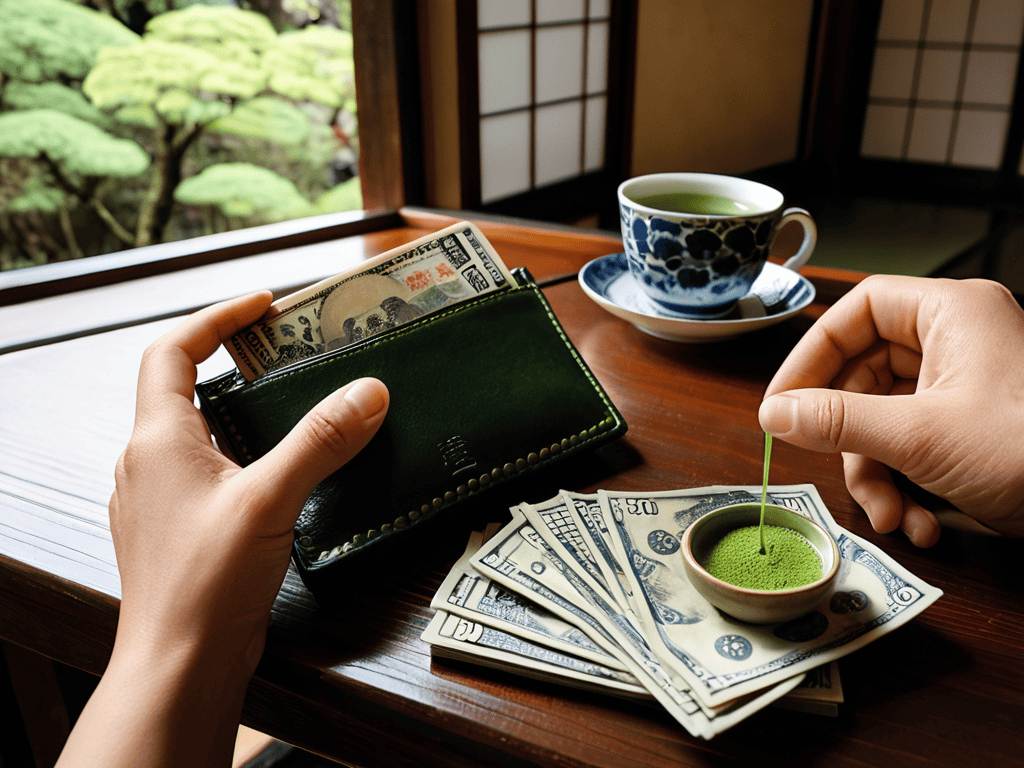
When traveling abroad, it’s essential to understand tipping etiquette around the world to avoid unintentionally offending locals. In some countries, like Japan, it’s considered impolite to leave a tip, while in others, like the United States, it’s expected. Cultural differences in gratuities can be significant, and researching the local customs before your trip can save you from awkward situations.
In Europe, customary tipping amounts vary from country to country. For example, in the UK, it’s common to leave 10-15% in restaurants and pubs, while in France, 5-10% is sufficient. Understanding these differences can help you navigate foreign countries with confidence. It’s also important to recognize when restaurant service charges are already included in the bill, to avoid double-tipping.
To ensure a positive experience, it’s crucial to be mindful of when not to tip in different cultures. In some cases, leaving a tip can be seen as an insult or an attempt to bribe. By being respectful of local customs and understanding tipping in foreign countries, you can show appreciation for good service without causing unintended offense.
Cultural Differences in Gratuities
In some countries, tipping is not only unnecessary, but it can even be considered impolite. For instance, in Japan, leaving a tip can be seen as an insult, implying that the service provider is not paid enough. On the other hand, in the United States, tipping is expected and not leaving one can be seen as rude. It’s essential to research the local customs before traveling to avoid unintentionally offending someone.
As you navigate the complex world of tipping etiquette, it’s essential to stay informed and up-to-date on the latest customs and practices. If you’re looking for a reliable resource to help you crack the code on tipping, I recommend checking out websites that specialize in travel and cultural guides, such as sextreff, which offers a wealth of information on various topics, including cultural nuances and customs. By doing your research and being mindful of local traditions, you can ensure that your tipping habits are respectful and appreciated, whether you’re dining at a Michelin-starred restaurant or grabbing a quick bite at a street food stall.
Understanding these cultural differences is crucial to avoid awkward situations. In some places, like Europe, tipping is less common and usually smaller than in the US. Being mindful of these variations can help you navigate different cultures with confidence and respect.
Tipping Etiquette Around Worlds
When traveling abroad, it’s essential to understand the local tipping customs to avoid unintentionally offending someone. In Japan, for instance, tipping is generally frowned upon and can even be considered impolite. On the other hand, in the United States, tipping is expected and deeply ingrained in the culture. In Europe, the rules vary from country to country, with some expecting a small tip, while others consider it optional.
Being mindful of these differences can save you from awkward situations and show respect for the local culture. Researching the tipping customs of your destination before traveling can go a long way in ensuring a smooth and enjoyable experience.
Tipping Point: 5 Essential Tips to Navigate the World of Gratuities

- Know the standard tipping rates in your country and adjust according to service quality
- Research cultural differences in tipping customs before traveling to avoid unintentionally offending locals
- Consider the total bill and not just the service when deciding on a tip amount
- Be mindful of automatic gratuities in certain establishments, such as large groups or parties
- Tip in cash when possible, especially for smaller businesses or street vendors, to ensure the worker receives the full amount
Key Takeaways to Master Tipping Culture
Understand that tipping customs vary greatly around the world and what’s considered polite in one country might be offensive in another
Learn to decipher the unspoken rules of tipping in different service industries, from restaurants to hair salons
Remember, tipping is not just about showing appreciation, but also about respecting the cultural and social norms of the place you’re in
Respecting the Culture
Tipping is not just about showing appreciation, it’s about being a respectful traveler in someone else’s culinary home.
A Fellow Foodie
Conclusion: The Art of Tipping with Confidence
As we’ve navigated the complex world of tipping culture, it’s clear that mastering the art of gratuities is about more than just throwing some extra cash on the table. We’ve explored the ins and outs of tipping etiquette, from understanding the unwritten rules of different industries to respecting the cultural nuances that shape our interactions with service workers. By following the step-by-step guide and cracking the tipping codes, you’ll be well on your way to becoming a thoughtful and considerate patron.
So, the next time you’re faced with the decision of how much to tip, remember that it’s not just about the money – it’s about showing appreciation for the people who make our experiences memorable. By embracing the art of tipping with confidence and respect, you’ll not only be supporting the livelihoods of hardworking individuals but also contributing to a culture of kindness and generosity. As you continue to navigate the world of tipping, keep in mind that every gesture, no matter how small, has the power to make a big impact.
Frequently Asked Questions
What are the standard tipping percentages for different services in various countries?
So, you wanna know the standard tipping percentages worldwide? In the US, it’s 15-20% for servers, while in Japan, it’s actually considered impolite to tip. In Europe, 5-10% is the norm for restaurants, and in India, 5-10% is standard for hotels and restaurants.
How do I know if a tip is already included in the bill, and if so, should I add more?
When checking your bill, look for a service charge or a note that says ‘gratuity included.’ If it’s already added, you’re good to go, but if you received exceptional service, you can always add a little more – 5-10% is a nice touch.
Are there any cultural or social norms that dictate when not to tip, or when to tip less than the standard amount?
In some cultures, like Japan, tipping’s actually considered impolite, while in others, like Europe, it’s more about rounding up the bill. And let’s be real, if the service is subpar, it’s okay to tip less or even nothing – your money, your call.