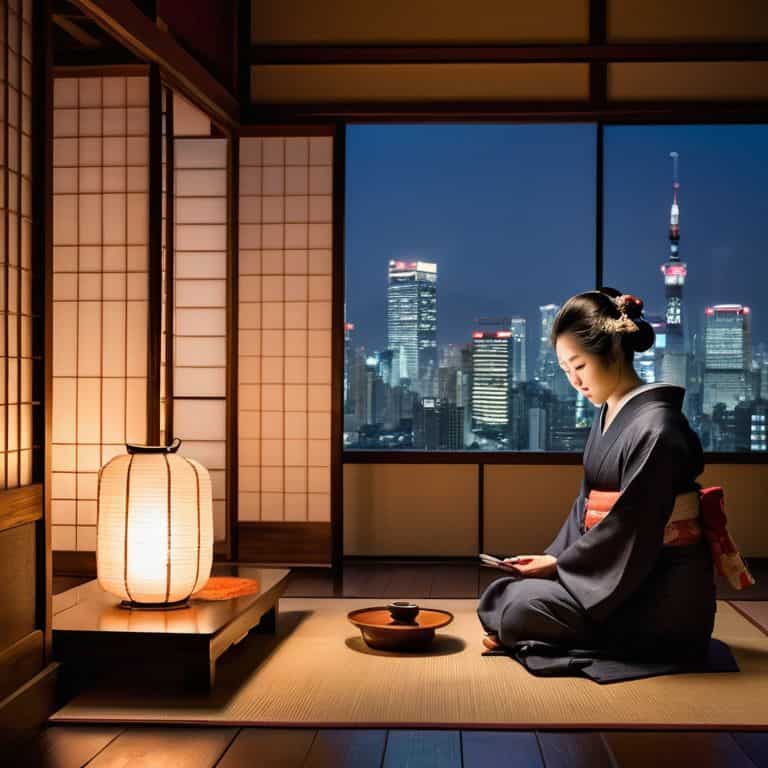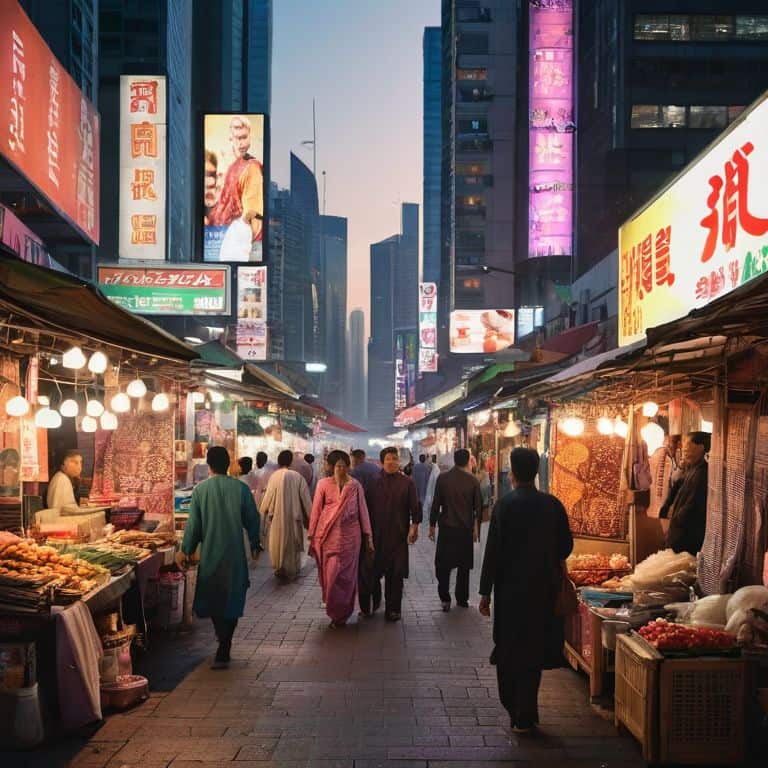
As I wandered through the vibrant streets of Marrakech, I couldn’t help but ponder the intricate dance between globalization and culture. The sounds of traditional Gnawa music filled the air, while modern billboards towered above, a poignant reminder of the complex interplay between ancient traditions and modern influences. I’ve always been fascinated by the ways in which globalization can both preserve and erode cultural heritage, leaving us to wonder: what does the future hold for the rich tapestry of our global cultural landscape?
In this article, I promise to delve into the human side of globalization, sharing stories and insights gathered from my own experiences as a cultural anthropologist. I’ll explore the ways in which globalization is reshaping our understanding of culture, and what this means for our collective identity. My goal is to provide a nuanced and empathetic perspective, one that acknowledges the complexities and challenges of our increasingly interconnected world. By sharing my own journey and the lessons I’ve learned along the way, I hope to inspire a deeper appreciation for the beauty and diversity of our global cultural heritage, and to encourage a more thoughtful and inclusive approach to cultural exchange.
Table of Contents
Globalization and Culture
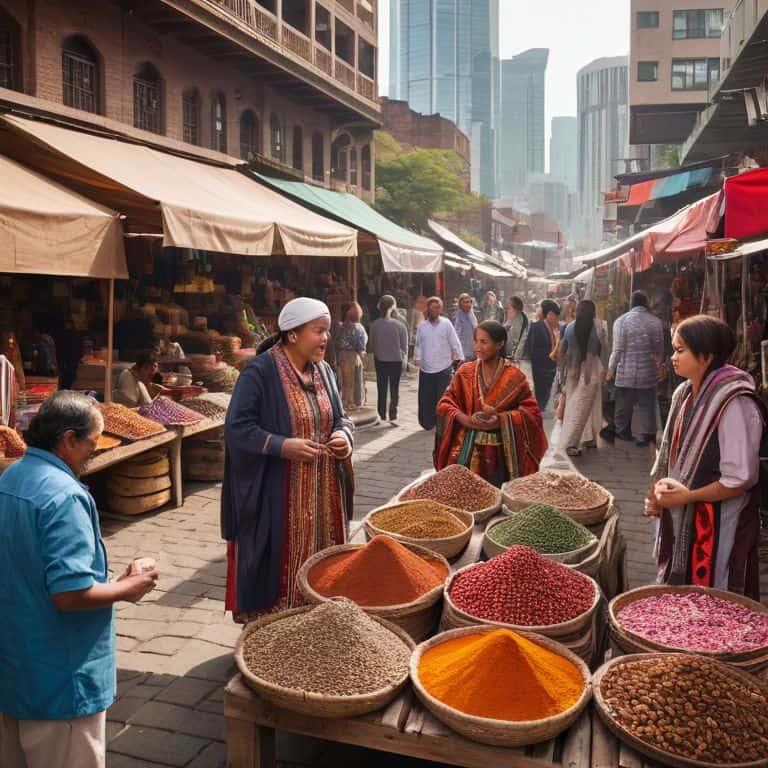
As I reflect on my journeys, I’m reminded of the cultural exchange programs that have allowed people from different backgrounds to come together and share their traditions. These initiatives have been instrumental in fostering a deeper understanding and appreciation of our global cultural heritage. However, I’ve also witnessed the impact of globalization on cultural diversity, where local customs and practices are slowly being eroded by the influx of international influences.
In the midst of this cross-cultural landscape, it’s essential to recognize the importance of preserving cultural diversity. I’ve seen firsthand how international cultural differences can be both a source of strength and a potential obstacle. By embracing these differences and engaging in open dialogue, we can work towards creating a more inclusive and vibrant global community. This is particularly relevant in the context of cross-cultural training for business, where understanding and respecting local traditions can make all the difference in building successful relationships.
Through my travels and research, I’ve come to realize that the effects of globalization on local traditions are complex and multifaceted. While it’s true that globalization can lead to cultural homogenization, it’s also possible for local cultures to thrive and evolve in response to international influences. By striking a balance between preserving our unique cultural identities and embracing the benefits of global connectivity, we can create a richer, more diverse world – one that celebrates our shared humanity while honoring the distinct traditions that make us who we are.
Cultural Exchange Programs Unite
As I reflect on my experiences with cultural exchange programs, I am reminded of the profound impact they can have on fostering global understanding. These initiatives bring people from diverse backgrounds together, facilitating the exchange of ideas, traditions, and values. By participating in such programs, individuals can gain a deeper appreciation for the customs and practices of other cultures, ultimately breaking down cultural barriers.
Through my own involvement in cultural exchange programs, I have witnessed firsthand the power of cross-cultural collaboration. By sharing their unique perspectives and experiences, participants can gain a more nuanced understanding of the world, one that transcends national borders and enriches cultural diversity.
Impact on Local Traditions Explored
As I reflect on my travels, I’ve noticed that globalization has brought about a mix of positive and negative effects on local traditions. On one hand, cultural exchange has allowed for the sharing of ideas and practices, enriching the cultural landscape of many communities. However, this exchange can also lead to the erosion of unique local customs.
In some cases, the homogenization of cultures has resulted in the loss of traditional practices, as local customs are replaced by more dominant global influences. I’ve seen this firsthand in my travels, where ancient traditions are struggling to survive in a rapidly changing world.
Tradition in a Globalized World

As I reflect on my journeys, I realize that cultural exchange programs have been instrumental in fostering cross-cultural understanding. These initiatives have enabled people from diverse backgrounds to come together, share their traditions, and learn from one another. I recall attending a traditional Japanese tea ceremony in Kyoto, where I was struck by the serenity of the ritual and the respect with which it was performed. Such experiences have taught me the value of empathy and open-mindedness in bridging cultural gaps.
In a globalized world, the impact of globalization on cultural diversity is a complex issue. On one hand, it has facilitated the exchange of ideas and traditions, enriching our cultural landscape. On the other hand, it has also led to cultural homogenization, where local customs and practices are slowly eroded. I have seen this phenomenon firsthand in the small towns of rural France, where traditional bakeries and cafes are giving way to multinational chains. It is essential to strike a balance between preserving our cultural heritage and embracing the benefits of globalization.
As I wander through the vibrant streets of India, I am reminded of the international cultural differences that make our world so fascinating. The sounds, smells, and colors of this incredible country are a testament to the diversity that globalization can bring. However, it is crucial to approach cross-cultural interactions with cross-cultural training, lest we unintentionally offend or misunderstand the customs of others. By doing so, we can navigate the complexities of our globalized world with sensitivity and respect, celebrating the unique traditions that make each culture special.
Cross Cultural Training for Business
As I reflect on my experiences with cultural exchange programs, I realize the importance of cross-cultural understanding in the business world. Companies are now investing in training programs that teach employees how to navigate diverse cultural landscapes, fostering a more inclusive and empathetic work environment.
In this context, effective communication is crucial for successful cross-cultural interactions. By providing employees with the tools to understand and appreciate different cultural norms and values, businesses can avoid misunderstandings and build stronger relationships with clients and partners from diverse backgrounds.
Homogenization vs Diversity Debated
As I reflect on my travels, I’ve often found myself pondering the delicate balance between cultural preservation and the influence of globalization. It’s a debate that has sparked intense discussion among scholars and locals alike, with some arguing that the spread of global culture is a threat to traditional practices. I recall a conversation with a local musician in Morocco, who expressed concerns that the younger generation was more interested in Western music than in preserving their own unique musical heritage.
In this context, the issue of homogenization becomes a pressing concern, as local traditions and customs are slowly erased in favor of more universal, commercialized culture. And yet, even in the face of such challenges, I’ve witnessed countless examples of communities coming together to celebrate their unique cultural identities, proving that diversity and tradition can thrive, even in a globalized world.
Navigating the Intersection of Globalization and Culture: 5 Essential Tips
- Embrace Cultural Immersion: Step into the shoes of locals and experience their traditions firsthand to foster deeper understanding and connection
- Preserve Traditional Practices: Support local artisans, musicians, and craftsmen in their efforts to keep ancient customs alive in the face of modernization
- Foster Cross-Cultural Dialogue: Engage in open and respectful conversations with people from diverse backgrounds to break down stereotypes and build bridges of understanding
- Be Mindful of Cultural Sensitivity: Approach foreign customs with empathy and awareness, avoiding appropriation and insensitivity that can lead to cultural homogenization
- Celebrate Diversity in Everyday Life: Incorporate elements of global cultures into your daily routine, whether through music, cuisine, or art, to cultivate a more inclusive and vibrant community
Key Takeaways: Weaving Cultural Threads in a Globalized World
As I reflect on my journey through the intersections of globalization and culture, I realize that cultural exchange programs are not just about unity, but about preserving the unique essence of each tradition in the face of modernization.
Through my lens, literally and figuratively, I’ve seen how cross-cultural training can be a double-edged sword – it can foster understanding and collaboration, but also risks diluting the distinct flavors of local customs if not approached with sensitivity.
My exploration, and the stories I’ve captured with my vintage film camera, remind me that the debate between homogenization and diversity is ongoing, but by embracing our differences and supporting local traditions, we can create a world where globalization enriches, rather than erases, our cultural heritage.
Weaving a Global Tapestry
As the threads of globalization intertwine with the rich fabrics of our cultural heritage, we must remember that the true beauty of tradition lies not in its resistance to change, but in its ability to evolve and flourish in the midst of diversity.
Eleanor Duval
Weaving a Richer Tapestry
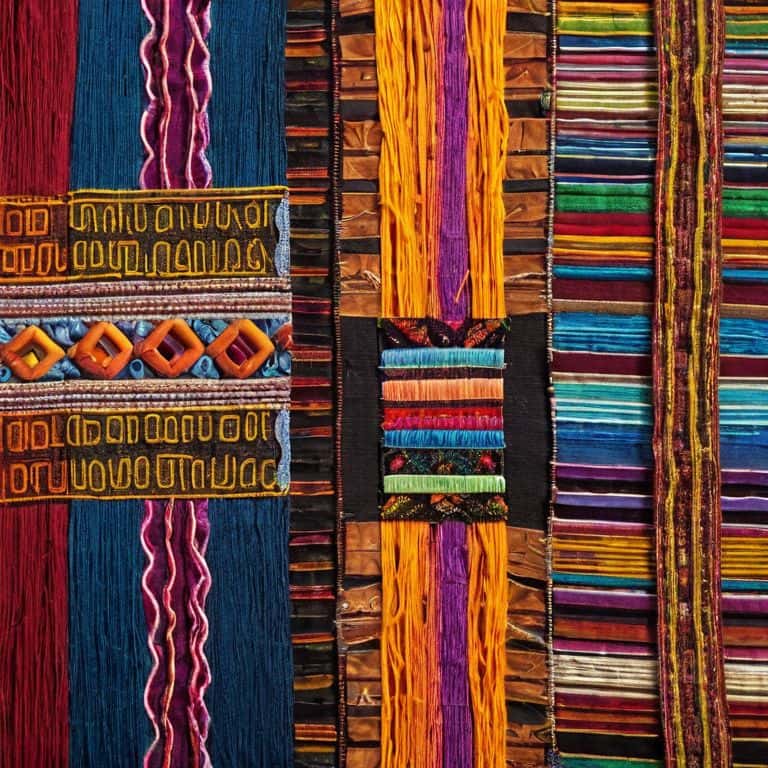
As I reflect on the intricate dance between globalization and culture, I am reminded of the vibrant threads that weave our world together. From cultural exchange programs that unite, to the impact of globalization on local traditions, and the debates surrounding homogenization versus diversity, it’s clear that our world is a complex, ever-evolving tapestry. Through cross-cultural training for business and a deeper understanding of the homogenization versus diversity debate, we can work towards a more harmonious and inclusive global community. By embracing our differences and celebrating the unique qualities of each culture, we can create a richer, more resilient world.
As I put down my vintage film camera, filled with rolls of moments captured, I am left with a sense of hope and wonder. For in the end, it is not the forces of globalization that will define us, but our ability to bridge cultural gaps and find common ground. By sharing our stories, traditions, and music, we can transcend borders and forge a deeper understanding of our shared human experience. And so, I invite you to join me on this journey, as we continue to explore, discover, and celebrate the incredible diversity that makes our world such a beautifully complex and wondrous place.
Frequently Asked Questions
How can we balance the benefits of cultural exchange with the need to preserve traditional practices in the face of globalization?
As I reflect on my journeys, I believe balance lies in mindful cultural exchange, where we approach traditions with reverence and respect, embracing the beauty of fusion while preserving the essence of heritage, much like the delicate harmony of a traditional Japanese koto and a French violin.
In what ways can technology be used to promote cross-cultural understanding and appreciation, rather than contributing to homogenization?
As I’ve traveled with my vintage camera, I’ve seen technology bridge cultural gaps through virtual exhibitions, online language classes, and social media platforms showcasing traditional arts, allowing us to appreciate and learn from each other’s unique heritage.
What role can education play in preparing individuals for a globalized world, where cultural diversity and sensitivity are increasingly important?
As I reflect on my own educational journey, I believe that interdisciplinary programs, cultural immersion experiences, and storytelling can empower individuals to navigate our globalized world with empathy and understanding, fostering a deeper appreciation for the rich tapestry of human experience.