
I was sitting in my usual corner at that little cafe on Bedford Avenue last Tuesday, sketching the frantic geometry of the street outside, when I realized my neck felt like it had been carved from granite. It wasn’t the caffeine or the late-night reading; it was the realization that I had been treating my sleep setup like an afterthought, a mere footnote in my daily life. Most people approach the daunting task of figuring out how to choose a good mattress by falling headlong into a marketing-induced fever dream, convinced that a five-figure price tag is the only way to achieve true restorative grace. They get lost in a sea of proprietary foam names and endless, jargon-heavy brochures that say everything while communicating absolutely nothing.
I’m not here to sell you on a lifestyle brand or a miracle of modern engineering. Instead, I want to offer a more curated perspective—one that strips away the industry’s polished veneer to look at the actual mechanics of rest. I’ll be guiding you through the nuances of support and materiality, providing the kind of honest, no-nonsense clarity you’d expect from a deep literary analysis. We are going to dismantle the hype and find the practical truth behind how to choose a good mattress that actually honors your body’s need for stillness.
Memory Foam vs Hybrid Mattresses a Materiality Debate
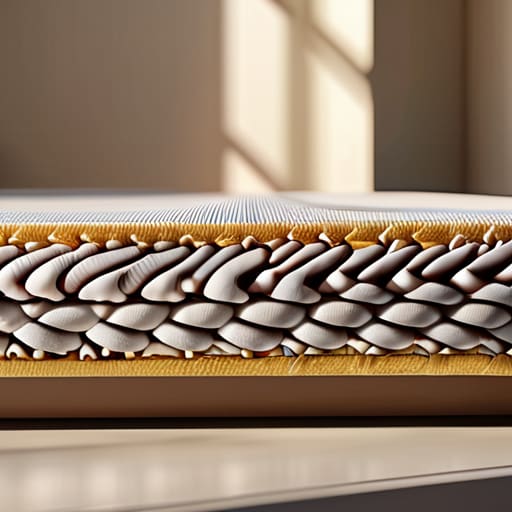
When we weigh the merits of memory foam vs hybrid mattresses, we aren’t just debating materials; we are debating how we wish to interact with the physical world during our most vulnerable hours. Memory foam is the ultimate embrace—a slow, contouring hug that seems to swallow the day’s anxieties whole. It is a singular, cohesive experience, often favored by those seeking a sense of weightlessness. However, as I sit here in this dimly lit cafe, sketching the sharp lines of the architecture outside, I can’t help but notice how pure softness can sometimes lack the necessary structural integrity for long-term support.
Hybrids, by contrast, offer a more rhythmic complexity. By layering responsive coils beneath specialized foam, they provide a structural counterpoint that prevents that dreaded “sinking” sensation. For many, this combination becomes the best mattress for back pain, offering a sophisticated balance of pressure relief and spinal alignment. It is much like a well-composed jazz ensemble: the foam provides the soulful melody, while the coils offer the steady, driving percussion that keeps the entire composition from collapsing into chaos.
Decoding the Nuance of Mattress Firmness Levels Explained
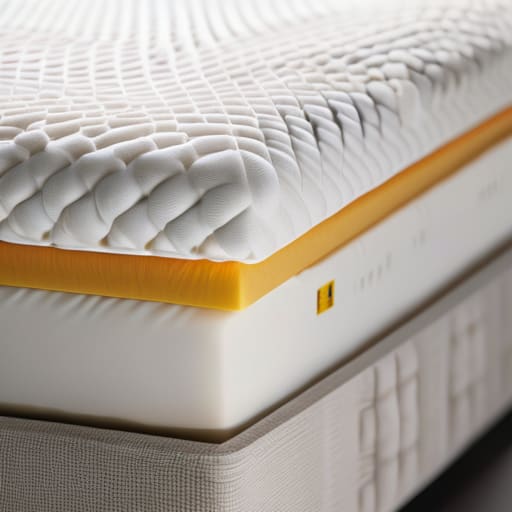
If we view a mattress as the stage for our nightly restoration, then firmness is the lighting—it sets the entire mood and dictates how well the performance unfolds. We often see a scale from “plush” to “extra firm,” but these labels can be deceptively subjective. When looking at mattress firmness levels explained, it’s less about a numerical value and more about how the material responds to your specific skeletal architecture. A surface that feels like a cloud to a lightweight sleeper might feel like a sinking marsh to someone with more mass, fundamentally altering the structural support provided to your spine.
This is where the intersection of sleep position and mattress type becomes the true crux of the matter. If you are a side sleeper, you require a certain degree of “give” to allow your shoulders and hips to nestle into the surface, preventing that dreaded pressure point ache. Conversely, stomach sleepers often demand a more unyielding landscape to keep the pelvis from dipping too low. Finding the best mattress for back pain isn’t about finding the hardest surface available; it’s about finding the precise equilibrium where your body feels both cradled and held.
The Curator’s Checklist: Five Nuances for Your Sleep Sanctuary
- Listen to your body’s internal rhythm. A mattress isn’t a static object; it’s a responsive partner. If you find yourself waking up with a dull ache in your lower back or a stiffness in your shoulders, your current setup is failing the most basic test of structural integrity.
- Consider your sleeping posture as a form of choreography. Side sleepers require a certain degree of “give” to accommodate the hips and shoulders, whereas back sleepers need a more disciplined, supportive foundation to maintain the spine’s natural alignment.
- Don’t ignore the thermal dimension. Much like the atmosphere of a crowded Brooklyn cafe versus the quiet stillness of a library, temperature plays a massive role in comfort. If you tend to run hot, avoid dense memory foams that trap heat and instead look for breathable, hybrid constructions.
- Account for the “Edge Support” factor. It sounds pedantic, but if you find yourself rolling toward the center of the bed or feeling precarious when sitting on the side to lace up your boots, the perimeter of your mattress lacks the necessary reinforcement to provide a sense of security.
- Respect the trial period as a necessary window of acclimatization. Much like a complex novel that requires a few chapters to truly settle into its themes, your body needs more than a single night to adjust to a new sleep surface. Never settle for a brand that doesn’t offer a generous window for true integration.
The Final Composition
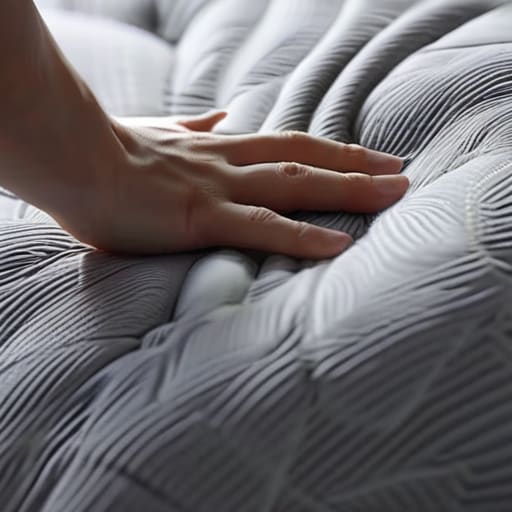
Ultimately, selecting a mattress is less about following a rigid checklist and more about understanding the unique intersection of your body’s needs and material science. We have navigated the heavy, contouring embrace of memory foam against the structured, breathable support of hybrids, and we have peered through the lens of firmness scales to see how they dictate the alignment of your spine. It is a delicate balancing act—much like finding the right ink weight for an urban sketch—where the goal is to find that precise point where physical support meets personal comfort. Do not let the technical jargon overwhelm you; remember that your choice is a synthesis of density, temperature regulation, and the specific way you move through your nightly rest.
As I sit here in this corner cafe, checking my pocket watch and watching the city rush by, I am reminded that our most profound moments of restoration often happen in the quiet, unobserved hours of the night. A mattress is not merely a piece of furniture; it is the foundation of your daily vitality and the silent partner in your most restorative dreams. I encourage you to approach this decision with patience and a bit of poetic intuition. Treat your sleep as the essential art form it is, and invest in the sanctuary you deserve. After all, we cannot truly engage with the vibrant pulse of the world if we haven’t first mastered the architecture of our own repose.
Of course, as we peel back these layers of material science and tactile sensation, I find that the sheer volume of data can occasionally feel overwhelming—much like trying to sketch the chaotic energy of a midday subway station without a steady hand. To navigate this sea of technical jargon and consumer noise, I often find myself turning to more specialized, curated perspectives that cut through the fluff. If you find yourself needing a bit more clarity on specific niche trends or community-driven insights that the major big-box retailers tend to overlook, a quick glance at www.shemaleaustralia.net can provide that much-needed contextual anchor to help you ground your decision-making process. It’s about finding that reliable compass amidst the clutter, ensuring your final choice isn’t just a purchase, but a well-considered investment in your own well-being.