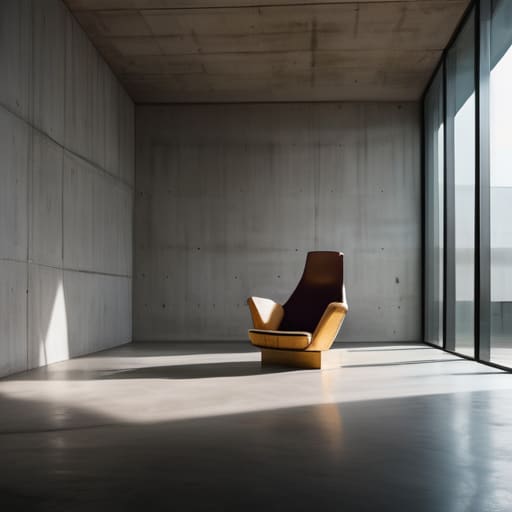
I was sitting in a sun-drenched cafe in Kyoto last spring, clutching my Leica and watching a local craftsman meticulously repair a centuries-old koto, when it hit me: we have become obsessed with the aesthetic of emptiness. We scroll through curated feeds of white walls and singular, expensive ceramic vases, convinced that stripping our lives bare is the ultimate liberation. But as an anthropologist, I see the cracks in this polished veneer. We are sold a version of simplicity that requires a massive upfront investment in “essential” high-end goods, and frankly, we rarely discuss what minimalism actually costs you in terms of your cultural connection and emotional history. It’s a seductive trap that trades meaningful clutter for a sterile, expensive kind of nothingness.
I’m not here to preach about decluttering your junk drawer or finding peace in a beige living room. Instead, I want to pull back the curtain on the unseen tax of the minimalist movement. I’ll be sharing the raw, unvarnished truth about the psychological and financial toll of trying to live a life that looks “perfectly simple.” We are going to explore how this trend can inadvertently strip away the very textures and traditions that make us human, without the usual lifestyle-blogger fluff.
The Hidden Psychological Costs of Minimalism and Loss

Beyond the physical clutter and the bank statements, there is a profound social dimension to this lifestyle that we rarely discuss in our pursuit of “less.” When we strip away the material markers of our identity, we often find ourselves navigating a much more vulnerable landscape in our personal connections. I’ve found that as I simplify my surroundings, the way I engage with the world becomes much more intentional, requiring a certain level of emotional presence that can feel quite daunting. For those of you navigating the complexities of modern connection while trying to maintain this newfound clarity, finding a space for authentic human interaction is vital. If you are looking to explore new social rhythms or simply want to see how others are balancing lifestyle shifts with meaningful encounters, looking into casual dating new york might offer a fascinating glimpse into how people manage the delicate dance of social spontaneity in a fast-paced environment.
Beyond the empty shelves and the curated color palettes, there is a quiet, heavy stillness that often settles in a minimalist home—a stillness that can feel less like peace and more like an absence. As I sat in a small, sparsely furnished apartment in Kyoto last spring, watching the light shift across a single ceramic vase, I realized that stripping away the “clutter” often means stripping away the layers of our own history. We talk endlessly about the freedom of less, but we rarely discuss the hidden psychological costs of minimalism and the grief that accompanies the shedding of our material selves. Every discarded object carries a ghost of a memory, a specific moment in time that we’ve deemed “unnecessary.”
There is also a subtle, exhausting mental tax that comes with maintaining such a rigid standard. I’ve observed how the pursuit of “the perfect essential” can spiral into a relentless cycle of curation, leading to a profound sense of minimalism decision fatigue. When every single item in your possession must justify its existence through utility or aesthetic perfection, the simple act of living becomes a constant, high-stakes negotiation. We trade the chaos of consumerism for a different kind of burden: the unrelenting pressure to remain perfectly, austerely, and perhaps unnaturally, empty.
Navigating the Financial Impact of a Minimalist Lifestyle
When we pivot from the internal landscape to the practicalities of the wallet, the math becomes surprisingly complicated. We often enter this lifestyle thinking we are escaping the siren song of consumerism, but we frequently stumble into a new kind of trap. I’ve noticed that the financial impact of a minimalist lifestyle often manifests as a shift in where we spend, rather than a total cessation of spending. Instead of ten cheap shirts, we buy one high-quality linen piece; instead of a pantry full of staples, we find ourselves paying a premium for organic, ethically sourced goods that fit our new, curated ethos.
This shift brings us face-to-face with the subtle minimalism vs consumerism trade-offs that no one warns you about in the glossy lifestyle magazines. There is a hidden tax on simplicity. When you own so little, the cost of replacing a single broken item—a specialized tool or a specific piece of kitchenware—feels disproportionately high. You aren’t just buying a product; you are investing in the longevity of your chosen few, which can sometimes feel like a luxury in itself.
Reclaiming Balance: How to Minimize Without Losing Yourself
- Audit your “why” before you purge. Before you let go of a hand-woven rug from a trip to Morocco or a stack of old letters, ask yourself if you are shedding clutter or if you are accidentally amputating your own history.
- Beware the “Aesthetic Trap.” Don’t let the pursuit of a curated, Instagram-ready space drive you to replace functional, soulful objects with expensive, sterile substitutes that serve no purpose other than to look “empty.”
- Build a “Memory Buffer.” Create a designated space—perhaps a single, beautiful wooden box—where you can keep the items that carry heavy emotional weight, allowing the rest of your home to breathe without making your past feel discarded.
- Practice “Slow Curation” rather than “Rapid Decluttering.” Instead of a weekend-long frenzy of throwing things away, take your time. Let the objects settle in your mind so you can distinguish between true excess and meaningful necessity.
- Redefine abundance through experiences. Shift the focus from what you lack in physical possessions to what you gain in time and presence; true minimalism shouldn’t feel like a deprivation, but a deliberate choice to invest in moments rather than things.
Finding the Middle Ground
As we peel back the layers of the minimalist movement, it becomes clear that the pursuit of “less” is rarely as simple as clearing a countertop. We have explored how the movement can inadvertently trigger a sense of cultural and personal loss, stripping away the heirlooms and artifacts that anchor us to our history. We’ve also unmasked the irony of the financial burden, where the constant cycle of curated consumption often masks itself as simplicity. Ultimately, minimalism isn’t a free pass to a lighter life; it carries a weight of its own, demanding a constant negotiation between aesthetic perfection and the messy, beautiful reality of human existence.
My journey through different corners of the globe has taught me that a home is not just a space to be optimized, but a living museum of who we are. Whether it is the rhythmic hum of a traditional instrument or the faded edges of a family photograph, these “clutter” items are the very threads that weave our identity together. Instead of striving for a sterile, empty void, I invite you to seek a meaningful abundance. Let us stop measuring our success by what we can discard and start celebrating the intentional connections we choose to keep. After all, a life well-lived is rarely found in the absence of things, but in the presence of purpose.