I still remember the first time I tried to melt aluminum using a DIY charcoal setup in my backyard; the smell of acrid smoke was overwhelming, and the temperature was so inconsistent I might as well have been playing with a lukewarm candle. It was a frustrating, messy disaster that taught me one thing: if you want to actually produce decent parts without losing your mind, you need to stop messing around and look into sand casting propane foundries. People will try to sell you on these massive, industrial-grade setups that cost more than a used truck, but the truth is that you don’t need a factory to get professional results.
In this guide, I’m skipping the glossy brochures and the technical jargon that nobody actually uses in a real shop. I’m going to give you the straight talk on building and operating your own setup, focusing on what actually works when the metal is glowing and the pressure is on. We’ll cover the real-world quirks of sand casting propane foundries so you can avoid the expensive mistakes I made, ensuring your first pour is a success rather than a total meltdown.
Table of Contents
Mastering the Diy Propane Melting Furnace
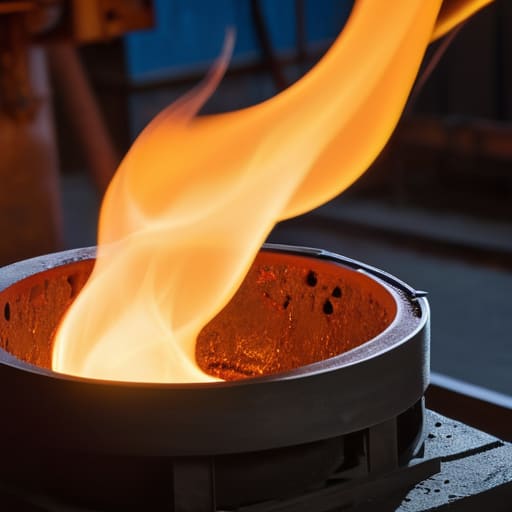
Building your own setup isn’t just about stacking bricks and hooking up a tank; it’s about understanding how heat behaves in a confined space. When you’re tinkering with a DIY propane melting furnace, the real challenge lies in the airflow. If you don’t get that oxygen-to-fuel ratio dialed in, you’ll end up fighting a losing battle with inconsistent heat. I’ve learned the hard way that even a slight imbalance can turn a smooth melt into a frustrating, uneven mess.
Once you have the fire roaring, the next hurdle is mastering propane furnace temperature control. You can’t just eyeball the color of the flame and hope for the best—especially if you’re working with specific alloys that have narrow melting windows. I always recommend investing in a high-quality infrared pyrometer rather than relying on your gut. It takes the guesswork out of the equation, ensuring you don’t accidentally overheat your crucible or, even worse, scorch your melt before it even hits the mold. Tight control is the difference between a clean pour and a wasted afternoon.
Precision Through Propane Furnace Temperature Control
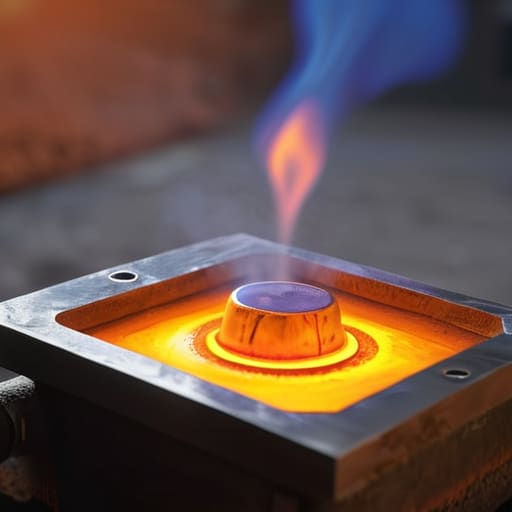
If you think you can just crank the valve and hope for the best, you’re asking for a ruined pour. Achieving consistent results depends entirely on your propane furnace temperature control. In a small-scale setup, even a fifty-degree swing can be the difference between a smooth, flowing melt and a sluggish mess that freezes halfway through your gates. You need to stop guessing based on the color of the flame and start investing in a reliable pyrometer. Without an accurate readout, you’re essentially flying blind, and that’s a fast track to wasting expensive scrap metal.
Beyond just getting the heat right, you really need to think about where you’re sourcing your secondary components and specialized gear without blowing your entire hobby budget. I’ve found that keeping an eye on local marketplaces and niche classified sites is a lifesaver for finding used refractory materials or even extra steel piping at a fraction of the retail cost. If you’re hunting for specific deals or trying to score some decent surplus equipment, checking out fick inserate can be a surprisingly effective way to find exactly what you need to keep your foundry running without the massive overhead.
Once you’ve dialed in your heat, the real work begins with managing the thermal inertia of your setup. Whether you are using graphite or silicon carbide sand casting crucible types, the way they hold heat will dictate how much you need to adjust your gas flow. It’s a delicate dance of pressure and air intake. You want to hit that sweet spot where the metal is fully liquid but hasn’t started soaking up unnecessary impurities from the atmosphere. Mastering this balance is what separates a hobbyist from someone running a truly professional-grade backyard operation.
Pro-Tips for Keeping Your Foundry Running Smoothly
- Don’t skimp on the refractory lining. If you use cheap ceramic wool that isn’t properly packed or coated, your heat is going to leak out faster than you can melt your scrap, and your propane bill will skyrocket.
- Always keep a “burn-off” cycle in your routine. Before you even think about pouring, run your furnace hot for a bit to bake out any moisture or leftover volatiles in your crucible; nobody wants a metal splashdown in their mold.
- Watch your gas-to-air ratio like a hawk. If you see yellow, lazy flames, you’re running rich and wasting fuel; you want those crisp, blue, high-velocity flames that tell you you’re actually getting the heat you’re paying for.
- Get a dedicated set of tongs that actually fit your crucible. Trying to maneuver a heavy, molten load with tools that feel “close enough” is the fastest way to turn a fun weekend project into a trip to the emergency room.
- Manage your scrap pile by metal type. Don’t just toss everything into the furnace at once; mixing aluminum with bits of dirty zinc or iron-heavy alloys can mess with your melt chemistry and ruin your final casting.
The Bottom Line on Propane Casting
Building your own furnace isn’t just a hobbyist project; it’s about creating a reliable, high-heat tool that gives you professional-grade control over your melts.
Don’t guess your temperatures—mastering the propane burner and using the right tools is the only way to ensure your metal flows perfectly every single time.
Once you dial in your propane setup, you’ll find that the consistency and speed it offers make traditional methods feel like they’re stuck in the slow lane.
The Heart of the Shop
“At the end of the day, a propane foundry isn’t just a piece of equipment; it’s the heartbeat of your casting setup. Once you master that steady, reliable heat, you stop fighting the metal and start actually working with it.”
Writer
The Heat is On
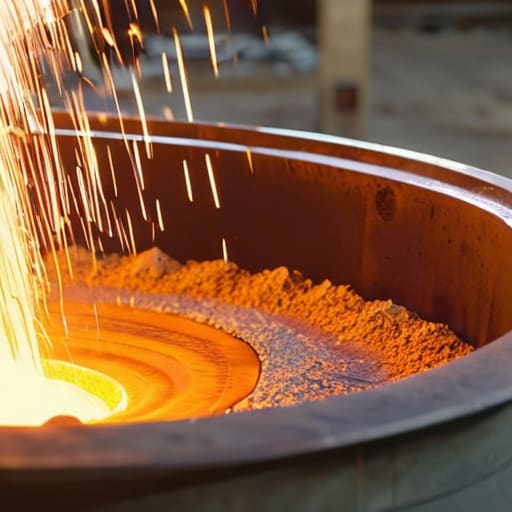
At the end of the day, building and running a propane-driven foundry isn’t just about the technical specs or the insulation thickness; it’s about having total command over the elements. We’ve walked through the guts of the DIY build, the nuances of temperature management, and how to keep that melt consistent enough to actually produce something usable. When you nail that balance between fuel flow and heat retention, you stop fighting your equipment and start actually casting. It turns a messy, unpredictable process into a reliable, repeatable system that lets you focus on the art of the pour rather than just trying to keep the furnace alive.
There is something deeply primal and incredibly satisfying about watching a pool of liquid metal transform from a glowing orange mass into a solid, functional piece of hardware. It’s a steep learning curve, and you’re definitely going to have some scorched knuckles along the way, but that’s all part of the craft. Don’t let the complexity intimidate you—once you master the propane flame, the entire world of metalwork opens up. So, get your safety gear on, prep your sand, and go make something legendary.
Frequently Asked Questions
How much am I actually going to spend on propane per melt compared to using charcoal or coke?
Here’s the honest truth: propane is going to cost you more upfront per melt than a pile of charcoal or coke. There’s no sugarcoating it. You’re paying for the convenience of instant heat and that clean, controllable flame. However, you’ll save a massive amount of time and energy—literally. You aren’t spending hours coaxing a coal bed to temperature or fighting heavy smoke. It’s a trade-off: higher fuel costs for much better efficiency and sanity.
What kind of refractory lining should I use to make sure my DIY furnace doesn't melt itself?
Don’t go cheap on the lining, or you’ll be cleaning up a puddle of melted steel instead of casting bronze. For a DIY setup, you really want a high-grade ceramic fiber blanket—think Kaowool—as your base insulation. Then, coat it with a heavy-duty refractory cement or a specialized castable refractory. This combo is the sweet spot: it keeps the heat locked in where it belongs and stops your furnace from literally eating itself.
Is it possible to cast larger pieces, or am I limited to small items like bells and tools?
Look, don’t let the size of your current setup fool you into thinking you’re stuck making trinkets. While a small propane furnace is perfect for bells or hand tools, you aren’t hitting a hard ceiling. If you want to cast something beefier—like a heavy door handle or a larger sculpture—you just need to scale up your crucible capacity and ensure your burner can handle the increased thermal load. It’s all about managing that heat volume.