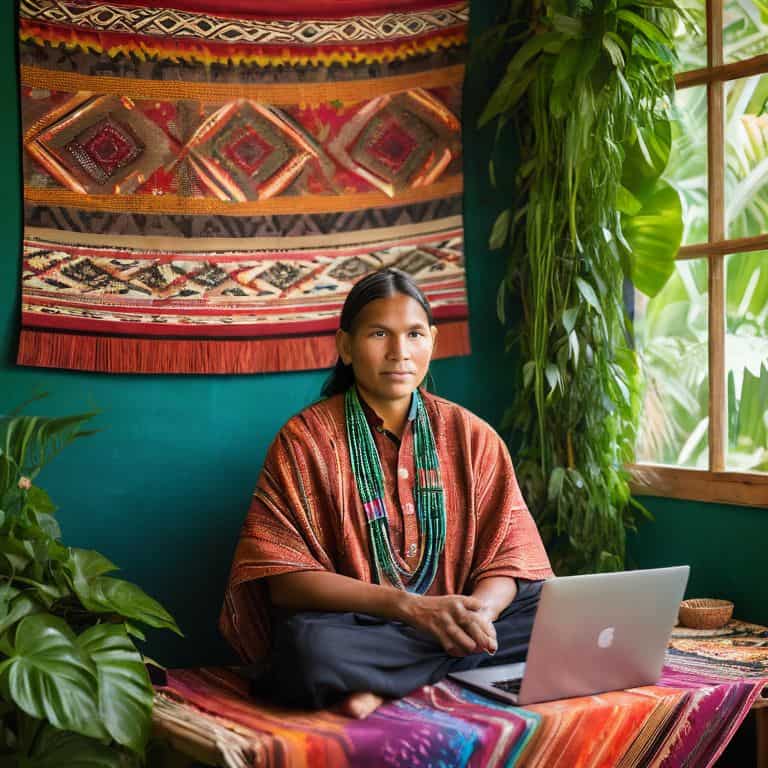
As I’ve traveled the world, capturing stories of diverse cultures with my vintage film camera, I’ve seen firsthand how an inclusive workplace can spark a sense of belonging – it’s a beautiful thing to witness. But let’s be honest, the term “inclusive workplace” has become a buzzword, often used to describe expensive diversity training programs or superficial initiatives that fail to address the root issues. I’ve seen companies spend thousands of dollars on these programs, only to have them fall flat, leaving employees feeling like they’re just going through the motions.
My goal is to cut through the hype and share real stories of how an inclusive workplace can be created and nurtured. I’ll draw from my own experiences, as well as those of others, to provide practical advice on how to build a workplace culture that values diversity and promotes equal opportunities for all. I’ll share tales of successes and failures, and offer guidance on how to create an environment where everyone feels valued, heard, and empowered to contribute. By the end of this journey, I hope to have inspired you to take a fresh look at your own workplace and consider the ways in which you can create a more inclusive and compassionate community.
Table of Contents
Crafting an Inclusive Workplace

As I reflect on my experiences exploring cultural sensitivity training in various organizations, I’ve come to realize that fostering a sense of belonging is a delicate art. It requires a deep understanding of the nuances that make each individual unique. Diverse hiring practices are a crucial step in this journey, as they bring together a rich tapestry of perspectives and experiences. By embracing this diversity, we can create an environment where everyone feels valued and empowered to contribute.
In my travels, I’ve had the privilege of witnessing firsthand the impact of employee resource groups on workplace dynamics. These groups provide a safe space for individuals to share their experiences, support one another, and celebrate their differences. By doing so, they help to break down barriers and foster a sense of community that is essential for any organization. Unconscious bias awareness is also a critical component of this process, as it allows us to recognize and challenge our own biases, creating a more level playing field for all.
As I capture the stories of these organizations through my vintage film camera, I’m reminded of the importance of accessible workplace design in creating an environment that is truly inclusive. By incorporating features such as wheelchair ramps, sign language interpreters, and adaptable workstations, organizations can demonstrate their commitment to workplace inclusion metrics that prioritize the well-being and success of all employees. This, in turn, can lead to a more harmonious and productive work environment, where everyone feels valued and supported.
Diverse Hiring for Cultural Sensitivity
As I reflect on my experiences with diverse cultures, I’ve come to realize the importance of cultural sensitivity in the hiring process. It’s not just about filling a position, but about creating a team that can appreciate and understand the nuances of different backgrounds. By actively seeking out candidates from diverse walks of life, we can enrich our workplace with unique perspectives and ideas.
This approach has allowed me to witness firsthand the benefits of a culturally sensitive team. For instance, when working on a project that involved collaborating with international partners, our team’s diverse skill set proved to be a significant asset. The varied cultural backgrounds and experiences of our team members enabled us to navigate complex cultural dynamics with ease, ultimately leading to a successful outcome.
Unconscious Bias Awareness in Action
As I reflect on my journeys, capturing the essence of diverse cultures through the lens of my vintage film camera, I’ve come to realize the significance of unconscious bias awareness in fostering a sense of belonging. It’s the subtle, often overlooked moments that can either bridge or widen cultural gaps. I recall a workplace workshop where a simple exercise in active listening profoundly shifted the dynamics, allowing employees to share their stories and feel truly heard.
In implementing inclusive practices, it’s essential to recognize the power of small, consistent actions. By doing so, we can gradually dismantle the barriers that unconscious biases create, paving the way for a more empathetic and open work environment.
Measuring Inclusion With Empathy

As I reflect on my journeys to various cultures, I’ve come to realize the importance of empathy in measuring inclusion. It’s not just about checking boxes or meeting quotas, but about genuinely understanding the experiences of others. This is where cultural sensitivity training comes into play, allowing us to tap into the nuances of different backgrounds and foster a deeper sense of connection.
In my observations, diverse hiring practices have been instrumental in creating an environment where everyone feels valued. By bringing together individuals from different walks of life, we can gain a richer understanding of the world and its complexities. This, in turn, helps us develop workplace inclusion metrics that are tailored to the unique needs of our organization.
Through my lens, I’ve seen how employee resource groups can serve as a catalyst for empathy and understanding. By providing a platform for individuals to share their stories and connect with one another, we can break down barriers and build a more compassionate community. As I capture these moments with my vintage film camera, I’m reminded of the power of accessible workplace design in creating an environment that truly feels like home.
Employee Resource Groups for Belonging
As I reflect on my journeys, capturing the essence of diverse cultures through the lens of my vintage film camera, I’ve come to realize the significance of employee resource groups in fostering a sense of belonging within an organization. These groups provide a platform for individuals to connect with others who share similar backgrounds, interests, or identities, thereby creating a support system that encourages open dialogue and empathy.
By participating in these groups, employees can experience a deeper connection to their workplace, feeling heard and understood. This, in turn, can lead to increased job satisfaction, improved collaboration, and a more inclusive work environment, where everyone feels valued and empowered to contribute their unique perspectives and talents.
Workplace Inclusion Metrics for Growth
As I delve into the world of workplace inclusion, I’ve come to realize that metrics for growth are essential in understanding the impact of our efforts. By tracking key performance indicators, such as employee satisfaction and retention rates, we can identify areas that need improvement and make data-driven decisions to foster a more inclusive environment.
To truly gauge the success of our inclusion initiatives, we must focus on qualitative feedback from employees, allowing us to capture the nuances of their experiences and perceptions. This approach enables us to create a more holistic picture of our workplace culture, one that is rooted in empathy and understanding.
Woven Together: 5 Threads of Inclusivity in the Workplace
- Embracing Cultural Intelligence: Encourage employees to share their cultural traditions and customs, fostering a deeper understanding and appreciation of diverse backgrounds
- Fostering Open Communication: Establish regular feedback sessions and anonymous suggestion boxes to ensure every voice is heard, regardless of position or tenure
- Mindful Language and Imagery: Promote inclusive language and imagery in all company materials, avoiding stereotypes and ensuring representation of diverse groups
- Training for Empathy: Provide regular workshops on empathy, active listening, and conflict resolution, empowering employees to navigate complex social situations with sensitivity
- Leadership by Example: Ensure that leadership embodies the principles of inclusivity, demonstrating a commitment to diversity, equity, and inclusion through their actions and decisions
Key Takeaways for Crafting an Inclusive Workplace
I’ve learned that fostering an inclusive workplace is not just about policies, but about creating a sense of belonging through shared experiences and stories, much like the vibrant sounds of traditional instruments from around the world coming together in harmony
By embracing diverse hiring practices and unconscious bias awareness, we can weave a rich tapestry of cultures, just as my vintage film camera captures the essence of every place I visit, reminding me that our differences are what make us stronger
Through empathetic metrics and employee resource groups, we can measure and nurture inclusion, ultimately sparking a sense of community that transcends borders and backgrounds, a truly beautiful thing to witness and a testament to the power of storytelling in bridging cultural gaps
Weaving Inclusion into the Fabric of Our Workplaces
An inclusive workplace is not just a melting pot of cultures, but a rich tapestry where every thread, no matter how different, contributes to the beauty and strength of the whole.
Eleanor Duval
Weaving a Lasting Tapestry of Inclusion

As I reflect on our journey through the realms of an inclusive workplace, I am reminded of the profound impact that unconscious bias awareness and diverse hiring practices can have on fostering a sense of belonging. By implementing these strategies and embracing the beauty of our differences, we can create a workplace culture that is not only more inclusive, but also more innovative and resilient. The metrics we use to measure inclusion, from workplace inclusion metrics to the thriving of employee resource groups, serve as a testament to our commitment to this noble pursuit.
As we strive to build a more inclusive workplace, let us not forget that the true magic lies not in the strategies themselves, but in the human connections we make along the way. By embracing our unique stories and traditions, we can weave a lasting tapestry of belonging that transcends borders and cultures, reminding us that, at our core, we are all part of a shared human experience that is worthy of celebration and deep appreciation.
Frequently Asked Questions
How can leaders balance the need for inclusivity with the potential for unintended exclusion of certain groups?
As I’ve seen in my cultural explorations, leaders can strike this balance by fostering open dialogue and actively seeking feedback from all groups, ensuring that inclusivity initiatives are tailored to meet the unique needs of their diverse workforce, thereby avoiding unintended exclusion.
What role can technology play in fostering an inclusive workplace, and are there any potential pitfalls to consider?
As I’ve seen in my travels, technology can be a powerful tool for fostering inclusivity, from virtual reality training programs that simulate diverse scenarios to digital platforms that facilitate global team collaborations. However, we must be mindful of potential pitfalls, such as unequal access to technology and digital literacy gaps that could inadvertently exclude some team members.
How can an organization ensure that its inclusive workplace initiatives are not just superficial, but rather lead to meaningful, long-term cultural change?
To foster genuine cultural change, organizations must move beyond surface-level initiatives and embed inclusivity into their core values and daily practices, encouraging open dialogue, active listening, and empathy-driven decision making.