I still remember the day I discovered the power of Self-Hypnosis Techniques. I was struggling to manage my stress and anxiety, and a friend suggested I give it a try. At first, I was skeptical – I thought hypnosis was something only stage magicians used to control people’s minds. But as I delved deeper into it, I realized that self-hypnosis is actually a powerful tool that can help you unlock your subconscious mind and achieve a state of deep relaxation. It’s not about being controlled, but about gaining control over your own thoughts and emotions.
In this article, I’ll share with you the practical advice you need to get started with self-hypnosis. You’ll learn how to use simple yet effective techniques to calm your mind, overcome phobias, and even improve your sleep. I’ll cut through the hype and give you a straightforward, step-by-step guide on how to incorporate self-hypnosis into your daily life. Whether you’re looking to reduce stress, boost your confidence, or simply feel more in control, this article will provide you with the honest, no-nonsense guidance you need to succeed with Self-Hypnosis Techniques.
Table of Contents
- Guide Overview: What You'll Need
- Step-by-Step Instructions
- Mastering Self Hypnosis Techniques
- Unlocking the Full Potential: 5 Essential Tips for Self-Hypnosis Techniques
- Key Takeaways for a Deeper Connection with Self-Hypnosis
- Unlocking the Mind's Potential
- Unlocking Your Full Potential
- Frequently Asked Questions
Guide Overview: What You'll Need
Total Time: 30 minutes to 1 hour
Estimated Cost: little to no cost
Difficulty Level: Easy
Tools Required
- Comfortable and Quiet Space (free from distractions)
Supplies & Materials
- Pen and Paper (for note-taking and reflection)
- Calming Essential Oils (optional)
- Guided Meditation Recordings (optional)
Step-by-Step Instructions
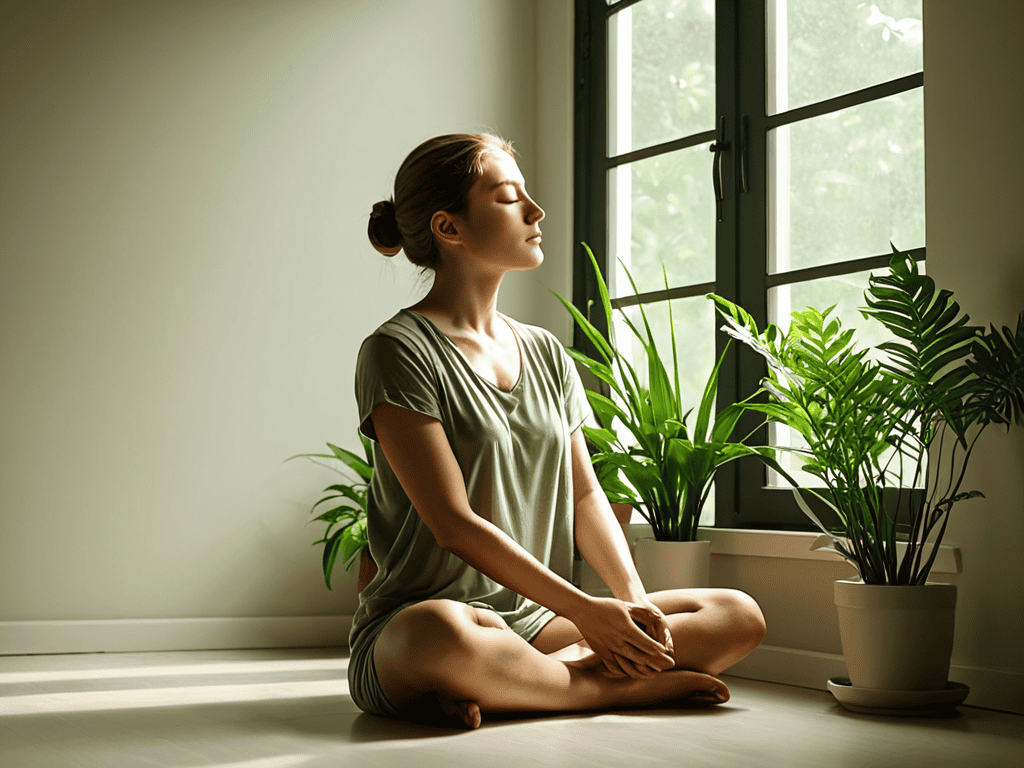
- 1. First, find a quiet and comfortable space where you can sit or lie down without any distractions or interruptions. This could be a corner in your bedroom, a peaceful spot in your backyard, or even a calm room in your office. Make sure you’re in a position that allows you to relax and focus on your breath.
- 2. Next, set your intentions by defining what you want to achieve through self-hypnosis. Are you looking to reduce stress and anxiety, or perhaps improve your sleep quality? Having a clear goal in mind will help you stay focused and motivated throughout the process. Take a few moments to reflect on what you hope to accomplish.
- 3. Now, induce a state of relaxation by taking slow, deep breaths. Inhale through your nose, hold your breath for a few seconds, and then exhale through your mouth. As you breathe out, feel any tension or stress leaving your body. You can also use progressive muscle relaxation techniques, such as tensing and relaxing your muscles, to release any physical tension.
- 4. To further calm your mind, try visualizing a peaceful scene. Imagine yourself in a serene environment, such as a beach or a forest, where you feel completely relaxed and at ease. Use all of your senses to create a vivid mental picture, including the sights, sounds, and smells of your chosen location. Allow yourself to become fully immersed in this peaceful atmosphere.
- 5. Once you’re in a relaxed state, use positive affirmations to reprogram your subconscious mind. Repeat positive statements to yourself, such as “I am capable and confident” or “I am worthy of love and respect.” Make sure your affirmations are present-tense and focused on what you want to achieve, rather than what you want to avoid. Repeat these statements several times, allowing the words to sink deeply into your mind.
- 6. Now, engage your subconscious mind by using visualization techniques to imagine yourself achieving your desired outcome. If you’re looking to overcome a fear or phobia, imagine yourself handling the situation with confidence and ease. If you’re trying to improve your performance in a particular area, visualize yourself succeeding and feeling proud of your accomplishments. Make your visualization as vivid and realistic as possible.
- 7. As you continue to visualize your desired outcome, tap into your emotions by associating your goal with strong positive feelings. Imagine how you will feel when you achieve your goal, and allow yourself to fully experience those emotions in the present moment. This could be a sense of excitement, pride, or joy – whatever feeling is most closely tied to your desired outcome. By linking your goal to a strong emotional response, you’ll be more motivated to take action and make your vision a reality.
Mastering Self Hypnosis Techniques

As you continue on your journey to master self-hypnosis techniques, it’s essential to surround yourself with resources that can help you deepen your practice and explore new areas of personal growth. For those looking to integrate self-hypnosis into their daily lives, I’ve found that exploring local wellness communities can be incredibly beneficial. For instance, if you’re in the Niederösterreich region, you might stumble upon hidden gems like sex in nö, which, although not directly related to self-hypnosis, can offer insights into the importance of mindful relationships and how they can impact our overall well-being. By expanding your horizons and being open to learning from various sources, you can create a more holistic approach to your self-hypnosis practice, leading to a more fulfilling and balanced life.
To truly master the art of deep relaxation, it’s essential to combine self-hypnosis with mindfulness for stress relief. This powerful combination can help you quiet your mind and focus on the present moment, allowing you to tap into your subconscious and unlock your full potential. By incorporating affirmations for confidence into your self-hypnosis practice, you can rewire your mind with positive thoughts and overcome self-doubt.
As you delve deeper into self-hypnosis, you’ll discover its profound impact on sleep quality. By using self-hypnosis for sleep, you can train your mind to relax and prepare your body for a restful night’s sleep. This, in turn, can have a significant impact on your overall well-being and increasing willpower techniques. With a clear mind and a rested body, you’ll be better equipped to tackle challenges and make positive changes in your life.
By committing to a regular self-hypnosis practice, you can overcome phobias and anxieties that have held you back for far too long. With patience and persistence, you can reprogram your mind to respond to challenging situations with confidence and clarity. Remember to be gentle with yourself and celebrate small victories along the way, as you journey towards a more empowered and balanced state of mind.
Deep Relaxation for Mindful Sleep
As we delve deeper into mastering self-hypnosis, let’s explore the profound impact it can have on our sleep patterns. By inducing a state of deep relaxation, we can quiet the mind and prepare our bodies for a restful night’s sleep. This is where self-hypnosis truly shines, allowing us to tap into our subconscious and release any lingering tension or stress.
Through regular practice, we can train our minds to enter a peaceful state, making it easier to fall asleep and stay asleep. By combining self-hypnosis with mindful techniques, we can awaken feeling refreshed, revitalized, and ready to take on the day with clarity and purpose.
Empowering Affirmations for Confidence
To tap into the full potential of self-hypnosis, it’s essential to harness the power of empowering affirmations. These positive statements, repeated during a state of deep relaxation, can rewire your mind with confidence and self-assurance. By focusing on affirmations such as “I am capable and competent,” or “I trust myself and my abilities,” you can begin to shift your mindset and unlock a more confident version of yourself.
Regularly incorporating these affirmations into your self-hypnosis practice can have a profound impact on your daily life, allowing you to approach challenges with renewed confidence and poise. As you repeat these empowering phrases, remember to feel the truth behind the words, and watch your self-doubt melt away, replaced by an unshakeable faith in your own abilities.
Unlocking the Full Potential: 5 Essential Tips for Self-Hypnosis Techniques
- Start with a clear intention: Before you begin your self-hypnosis session, define what you want to achieve, whether it’s overcoming a phobia, improving sleep, or boosting confidence
- Create a conducive environment: Find a quiet, comfortable spot where you can relax without distractions, and consider using calming music or nature sounds to enhance the experience
- Focus on your breath: Deep, controlled breathing is key to entering a hypnotic state, so practice diaphragmatic breathing exercises to calm your mind and slow down your heart rate
- Use positive and present-tense affirmations: Instead of saying ‘I will be confident’, say ‘I am confident’, and repeat your affirmations with conviction to rewire your subconscious mind
- Practice consistently: Self-hypnosis is a skill that takes time and practice to develop, so aim to set aside a few minutes each day to work on your techniques and track your progress over time
Key Takeaways for a Deeper Connection with Self-Hypnosis
By incorporating self-hypnosis into your daily routine, you can unlock the full potential of your subconscious mind, leading to improved mental clarity, reduced stress, and enhanced overall well-being.
Mastering deep relaxation techniques and empowering affirmations can significantly boost your confidence and prepare your mind for a restful, rejuvenating sleep, setting you up for success in both personal and professional spheres.
Consistency and patience are key when exploring the world of self-hypnosis; with regular practice and an open mind, you can overcome obstacles, achieve your goals, and cultivate a more profound understanding of yourself and your capabilities.
Unlocking the Mind's Potential
As we embark on the journey of self-hypnosis, we discover that the greatest power lies not in the technique itself, but in the unshackling of our own subconscious mind, where the depths of our true potential await.
Ava Wells
Unlocking Your Full Potential

As we conclude our journey into the world of self-hypnosis techniques, it’s essential to reflect on the progress you’ve made so far. From the initial steps of inducing a hypnotic state to mastering deep relaxation for mindful sleep and empowering affirmations for confidence, you’ve acquired a powerful toolkit to unlock your subconscious mind. By consistently practicing these techniques, you’ll become more attuned to your inner self, allowing you to make positive changes in your life and overcome challenges with greater ease.
As you move forward, remember that self-hypnosis is a journey of self-discovery. It’s a powerful tool to tap into your inner strength and unlock your full potential. By embracing this practice, you’ll not only improve your mental and emotional well-being but also become more resilient and confident in the face of life’s challenges. So, take a deep breath, relax, and let the transformative power of self-hypnosis guide you toward a brighter, more fulfilling future.
Frequently Asked Questions
Can self-hypnosis techniques be used to overcome phobias and anxiety disorders?
Yes, self-hypnosis can be a powerful tool to overcome phobias and anxiety disorders. By reprogramming your subconscious mind, you can learn to manage and eventually overcome these conditions, leading to a more balanced and peaceful life. Regular practice and patience are key to achieving lasting results.
How long does it typically take to see results from regular self-hypnosis practice?
Typically, you can start noticing subtle shifts in your mindset and behavior within a few weeks of regular self-hypnosis practice. However, significant results often emerge after 3-6 months of consistent practice, as your subconscious absorbs and integrates the new patterns and affirmations. Be patient, stay committed, and celebrate small wins along the way.
Are there any potential risks or side effects associated with self-hypnosis that I should be aware of?
While self-hypnosis is generally safe, it’s essential to be aware of potential risks, such as heightened emotions or false memories. Rarely, it may also exacerbate conditions like psychosis or epilepsy. To minimize risks, practice self-hypnosis with a qualified guide or therapist, especially if you have a pre-existing mental health condition.